
Strengthening Literacy: A Foundation to Break the Cycle of Low-Quality Jobs in Indonesia
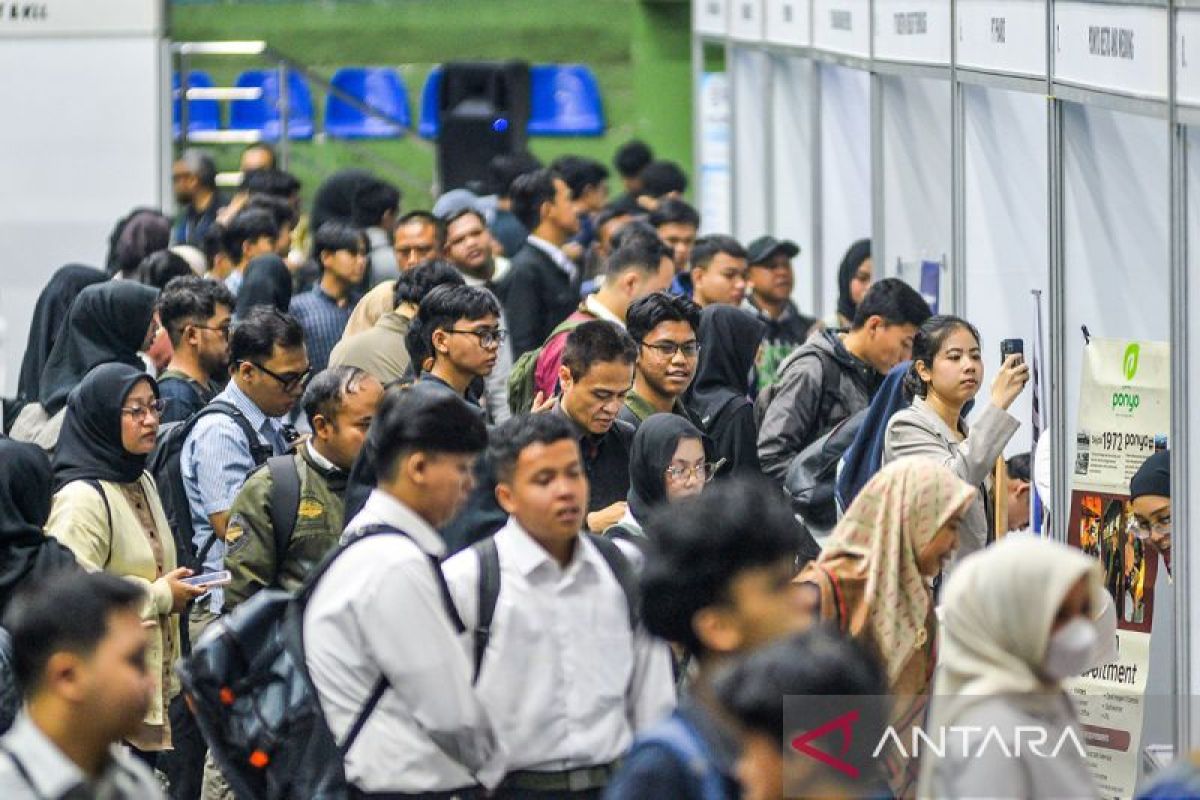
The hope of breaking the vicious cycle between low-quality labour and limited quality employment in Indonesia can at least begin with strengthening literacy, which the World Bank identifies as the foundation of productivity and work skills. Amid rapid digital transformation, the ability to read, understand information, think critically, and adapt becomes essential capital to meet the needs of future industries. Therefore, investment in literacy is no longer merely an educational matter, but part of a long-term economic and employment development strategy.
This perspective becomes increasingly relevant as Indonesia still faces major challenges in preparing a workforce suited to the needs of modern industry. On one hand, companies require competent workers for desired fields, at least capable of adapting to technology and changing business models. On the other hand, millions of job seekers still struggle to obtain formal employment that offers decent income and career development opportunities.
This condition creates a paradox that remains a national development challenge. Job vacancies exist but often cannot be filled due to competency limitations. Conversely, the number of job seekers continues to grow, yet not all possess the skills demanded by the market.
Data from the Ministry of Manpower shows that around 58 percent of Indonesia’s workforce is still employed in the informal sector. This figure reflects that more than half of Indonesian workers do not enjoy income certainty, social protection, or career progression typically available in the formal sector. Meanwhile, a World Bank report notes that most new jobs are still concentrated in agriculture, accommodation, and food and beverage services, which tend to have lower productivity and wage levels compared to modern manufacturing or technology-based industries.
This phenomenon also explains why economic growth, as reflected in rising Gross Domestic Product (GDP), is not always followed by a broadly felt improvement in welfare. In recent years, Indonesia’s economic growth structure has remained supported by low-wage, labour-intensive sectors such as agriculture, informal trade, and food and beverage services, which absorb large numbers of workers but with limited productivity. At the same time, the share of formal employment offering stable income and social protection has not grown as fast as the expansion of the labour force. This situation leaves many workers in vulnerable positions, including daily workers, freelancers, and micro-entrepreneurs whose incomes depend heavily on daily demand fluctuations.
Future challenges are further complicated by the persistently high rate of disguised unemployment, which the World Bank records at 32.7 percent. This means many people are indeed working, but their working hours and income are insufficient to meet a decent standard of living. Simultaneously, the issue of skill mismatch continues to haunt the Indonesian labour market. The Ministry of Manpower notes that around 50 percent of new workers only possess basic to intermediate levels of digital literacy, whereas many industrial sectors now require workers capable of operating digital technology, analysing data, collaborating online, and adapting to rapidly evolving technological developments.