
Strengthening HR Based on Needs, BPJPH Holds Training on Competency Development Needs Analysis
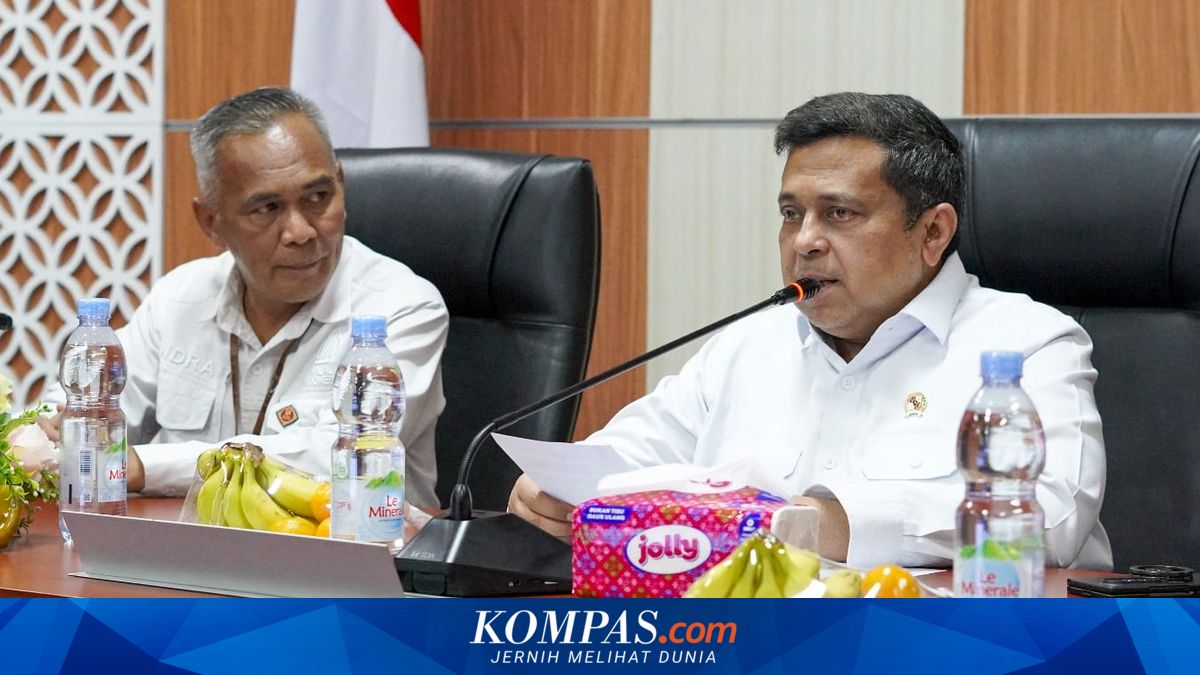
The Halal Product Assurance Organising Agency (BPJPH) continues to strengthen the quality of human resources (HR) through a competency development approach based on organisational needs. This effort aims to enhance the effectiveness of halal product assurance services.
As part of these measures, BPJPH held Competency Development Needs Analysis (AKPK) training for civil servants (ASN) within its organisation.
The event, organised by the BPJPH Human Resource Development Centre (PPSDM), was attended by employees designated as persons in charge (PIC) in each work unit, both at central and regional levels, in a hybrid format on Monday (13/4/2026). The activity is intended to ensure an even distribution of understanding and strengthen coordination between work units.
BPJPH Head Ahmad Haikal Hasan, in his opening remarks, emphasised that the competency development of ASN must be directed and based on the organisation’s real needs.
“It is important for every ASN to continuously improve their competencies. When competencies are higher, it means we value ourselves,” he stated in a press release received by Kompas.com on Tuesday (14/4/2026).
The statement was delivered by Babe Haikal, his affectionate nickname, when opening the training event at the BPJPH Building in East Jakarta on Monday (13/4/2026).
“The success of mandatory halal implementation is not only determined by regulations but also heavily depends on the readiness of the HR implementing it. Therefore, competency development must truly be needs-based, on target, and have a direct impact on service performance,” Babe Haikal asserted.
He also hopes that AKPK can become an effective instrument in identifying employee competency gaps, so that the development programmes formulated are more targeted and impactful on organisational performance.
In addition, the AKPK results serve as the basis for strengthening talent management within BPJPH.
Head of PPSDM BPJPH Indrayani added that BPJPH faces increasingly complex challenges, thus requiring structured and efficient HR development planning.
This competency strengthening is also expected to be an important part in forming superior HR or halal experts who will support the strengthening of the national halal ecosystem.
In the material session, Senior Instructional Staff from the Technical and Functional Training Centre of the National Institute of Public Administration Sarinah Dewi conveyed that ASN competency development needs to align with the organisation’s policy direction and be carried out continuously.
“Competency development is not just to fulfil learning obligations but must also have an impact on performance improvement and policy quality,” she said.
Through this training, BPJPH seeks to strengthen adaptive, professional, and competitive HR development steps through a needs-based organisational approach.