
Strengthening Domestic Absorption and Supply Chain Key to Stabilising Chicken and Egg Prices, Say Analysts
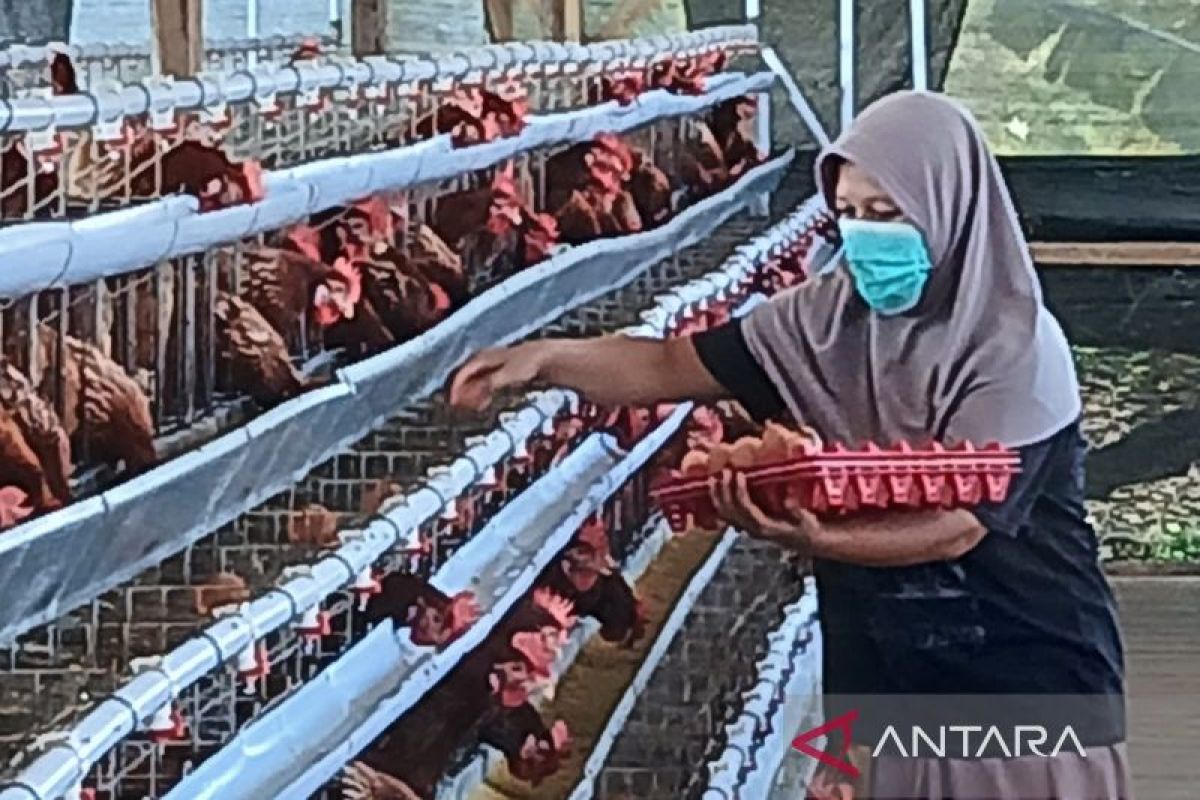
Researcher Isnawati Hidayah from the Center of Economic and Law Studies (Celios) has stated that strengthening domestic market absorption and the food supply chain is necessary to maintain the stability of chicken meat and egg prices at the farm level, which are currently declining. She emphasised the need for certainty in the absorption of livestock products through a more sustainable food procurement system, including more stable purchasing contracts with farmers and the utilisation of local food. “For other policies, the government perhaps needs to have a system that can map production, consumption, and distribution more accurately so that its interventions are not reactive,” Isnawati said in Jakarta on Wednesday. She suggested the government could optimise absorption potential by encouraging the development of MSMEs from kitchens or canteens, as well as strengthening the mapping system for production, consumption, and distribution to ensure market interventions are more measured. Additionally, she proposed utilising state-owned food enterprises to help absorb production through food aid programmes, government food reserves, and cold storage facilities. The strengthening of the cold chain system and the processing industry was also deemed necessary to expand the absorption of livestock products. “The government also needs to start introducing or supporting farmers with cold chains, for example cold storage, as well as developing the processing industry,” she said. Isnawati assessed that meeting domestic needs and absorption must remain the priority, while exports can serve as an alternative after domestic demand is met. “Exports can also be an option, but an important note is that Indonesia’s export volume is currently still relatively small compared to domestic production. So the hope is to strengthen the domestic market first, then gradually we can open up to exports,” she said. Similarly, Esther Sri Astuti, Executive Director of the Institute for Development of Economics and Finance (Indef), believes strengthening the domestic market should be the priority before the government expands egg exports. “In my opinion, the orientation should be towards the domestic market first, considering the large potential number of domestic consumers and the fact that egg prices are very affordable,” Esther said. In March 2026, Indonesia exported 545 tonnes of poultry products worth Rp18.2 billion to Singapore, Japan, and Timor Leste. These exports were dominated by 517 tonnes of table eggs, with the remainder consisting of chicken meat and value-added processed products. She explained that exports can only be carried out effectively if the optimisation of domestic market absorption has been achieved and there is still a surplus of egg production. “If the domestic market has been mastered and there is a surplus of eggs, then farmers, assisted by exporting companies and the government, can export eggs abroad,” she said. Furthermore, Esther assessed that the government needs to help maintain the sustainability of farmers’ businesses by providing more affordable feed for laying hens to reduce production costs. “By providing incentives for cheap laying hen feed, I think the production cost of eggs will also be cheaper and the quality better,” she said. She noted that optimising domestic absorption is necessary to stabilise egg prices. Esther mentioned that increased egg production, along with the growing population of laying hens and the entry of new farmers, has caused an oversupply, leading to a decline in the prices of eggs and chicken meat. “The entry of new farmers has made egg production abundant. When supply far exceeds demand, the law of the market automatically causes prices to drop drastically,” she said. Besides supply factors, Esther assessed that the long trading chain makes prices at the farm level more volatile than at the consumer level due to the significant role of middlemen in price formation. This price decline is reflected in national price trends. According to data from the Ministry of Trade’s Market and Basic Needs Monitoring System (SP2KP) as of 1 July 2026, the national weighted average price of purebred chicken eggs fell 0.67 percent from Rp26,329 to Rp26,153 per kilogramme. During the same period, the price of purebred chicken meat also fell 0.28 percent from Rp35,305 to Rp35,207 per kg. As an example, a similar phenomenon occurred in Temanggung Regency, Central Java, where egg prices at the farm level dropped to around Rp17,000-Rp18,000 per kg, far below the government’s Reference Purchase Price (HAP) of Rp26,500 per kg. Egg production by members of the Temanggung Prosperous Poultry Farming Cooperative (KPUS) reaches around 100-150 tonnes per day, while regional demand is only about 70-80 tonnes per day, making oversupply a factor depressing farm-gate prices. On the other hand, the government has prepared the distribution of the Feed Corn Supply and Price Stabilisation (SPHP) programme. Minister of Agriculture and Head of the National Food Agency (Bapanas) Andi Amran Sulaiman said the government has allocated 242,000 tonnes of subsidised feed corn in 2026, with an initial distribution target of 213,200 tonnes through Perum Bulog. The programme, which has been running since early May 2026, aims to provide more affordable feed corn to maintain the sustainability of farmers’ businesses while supporting poultry price stability.