
Strengthening Commodity Export Governance Will Bolster the Economy
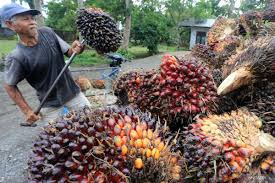
The natural resources (SDA) commodity sector is a strategic asset for the Indonesian economy. According to data from the Coordinating Ministry for Economic Affairs, SDA exports account for around 60% of Indonesia’s total exports. The three largest export commodities include coal at approximately 8.65%, followed by crude palm oil (CPO) at 8.63% and ferroalloy at 5.82%. In 2024, total coal exports reached USD 30.49 billion, palm oil products USD 27.76 billion and ferroalloy around USD 13.8 billion. In total, the export value of these three commodities was very large, reaching USD 72.05 billion or more than Rp 1,152,800 trillion (at an exchange rate of Rp 16,000 per USD).
“Coal, palm oil and nickel are very strategic and their export volumes are very high. As natural resource assets, these important global commodities should be able to provide greater added value to the economy. Moreover, the global geopolitical situation continues to change and all countries are trying to manage their strategic assets,” said Capital Market Analyst Fendi Susiyanto on Monday (15/6).
According to Fendi, the government’s decision to strengthen export governance by establishing PT Danantara Sumberdaya Indonesia (DSI) is relevant to the flow of SDA commodity exports, which has not been transparent and has low accountability. This is evidenced by the many SDA commodity exporters that have affiliated companies abroad.
“As the world’s largest CPO producer, Indonesia should have a greater role in international CPO trade, both in terms of price and volume, so that state revenue becomes more optimal. If DSI is able to monitor and regulate export transactions through a single-gate mechanism, it seems there will be many positive impacts that the government and the Indonesian people can enjoy from these natural resources,” Fendi stressed.
Fendi further stated that one of the advantages that DSI could optimise is the management of export proceeds (DHE). So far, the government has struggled to repatriate the proceeds of export transactions to domestic banks. For years, the government has tried to increase the flow of DHE into the country through various regulatory instruments, but has not yet succeeded. This can be seen from the growth of foreign exchange reserves at Bank Indonesia (BI), which has not experienced significant growth, while the export value of various commodities continues to soar.
“If the DHE from these commodity exports can be managed by domestic banks, of course BI would also have a greater capacity when the rupiah is under pressure as it is now. Indonesia must dare to take policies that support the strengthening of the rupiah through strategic assets such as these commodity exports,” he asserted.