
Strengthening Collaboration to Promote Early Detection of Thalassaemia
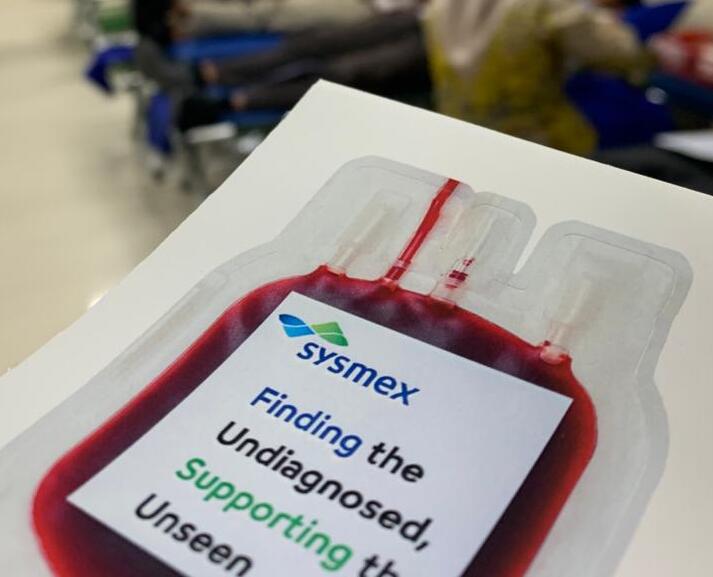
Thalassaemia remains a real threat to the health of Indonesia’s future generations. Each year, approximately 2,500 babies are born with thalassaemia major, a serious genetic condition requiring lifelong blood transfusions. To mark World Thalassaemia Day 2026 on 8 May, Sysmex Indonesia, in collaboration with the Indonesian Ministry of Health (Kemenkes), the Indonesian Red Cross (PMI), BPJS Kesehatan, and the Indonesian Thalassaemia Parents Association (POPTI), is organising a series of activities under the theme ‘United for Thalassaemia’, with the global theme ‘Hidden No More: Finding the Undiagnosed, Supporting the Unseen’. Throughout May 2026, the initiative includes national webinars, blood donation drives, and digital campaigns via social media competitions. The aim is to raise public awareness, promote early screening, and strengthen cross-sector collaboration in managing thalassaemia in Indonesia. The national ‘United for Thalassaemia’ webinar will feature speakers from the Ministry of Health, BPJS Kesehatan, PMI, paediatric specialists, and POPTI as thalassaemia advocacy group. It will address thalassaemia from multiple perspectives, including national control strategies, access and funding under the National Health Insurance (JKN), advancements in early detection and management, and the role of blood donations in sustaining treatment. Thalassaemia minor may be asymptomatic or cause mild anaemia, whereas thalassaemia major typically requires lifelong regular blood transfusions. In Indonesia, it is estimated that 2.6–11.0% of the population carries α-thalassaemia traits, 3.0–10.0% carry β-thalassaemia traits, and 1.5–36% carry HbE traits. These figures highlight that thalassaemia is not merely a medical management issue but also requires robust preventive strategies. Many carriers appear healthy and are unaware of their status without blood tests. Therefore, early screening, especially among teenagers, prospective couples, at-risk populations, and families with a history of thalassaemia, is crucial for prevention. Managing thalassaemia requires a comprehensive approach, including screening, diagnosis, regular transfusions, iron chelation therapy, and psychosocial support. With optimal treatment and strong support, individuals with thalassaemia can lead productive lives. ‘Through World Thalassaemia Day 2026, we urge all stakeholders to adopt a holistic approach to thalassaemia. Early detection, education, support for those affected, and multi-sector collaboration are vital to strengthening Indonesia’s response. Without screening, thalassaemia can persist across generations, yet this risk can be identified early through appropriate testing,’ said Dr. Andi Saguni, M.A., from the Directorate General of Disease Prevention and Control at the Ministry of Health, on Tuesday (26 May). As a concrete measure, Sysmex Indonesia is also organising blood donation drives to ensure a steady supply for thalassaemia major patients. For those with thalassaemia major, regular blood transfusions are a key part of long-term management, making the availability of safe, compatible blood that has undergone leukoreduction critical for safer and sustainable transfusions. Through the World Thalassaemia Day 2026 initiatives, Sysmex Indonesia reaffirms its commitment as a scientific partner and provider of evidence-based diagnostic solutions to support public health. To reach a wider audience, the initiative includes a social media competition from 16–30 May 2026, encouraging the public to share inspirational photos and short stories about family or healthcare support, hope in living with thalassaemia, and preventive actions such as screening and education.