
Strengthening Climate Impact Preparedness Through National Food Production Centres in Merauke
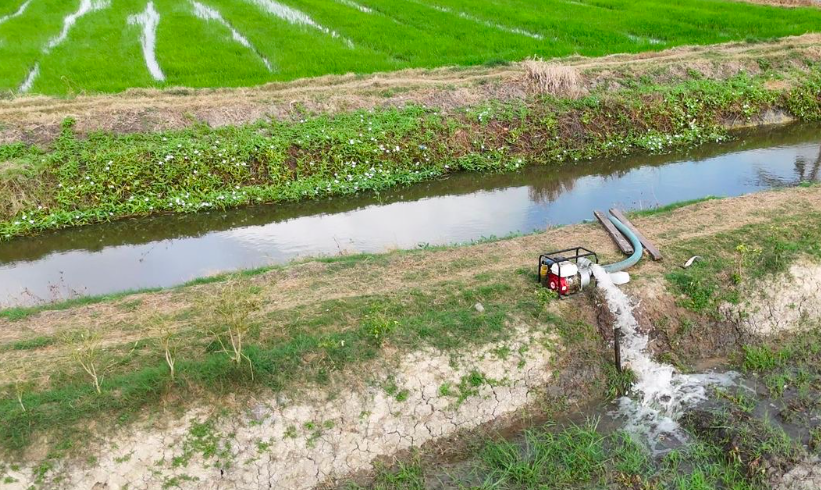
The Ministry of Agriculture (Kementan) continues to strengthen oversight of national food production centres in Merauke Regency, South Papua, to ensure sustainable production and optimal implementation of farmer support programmes amid climate dynamics.
As part of production monitoring, Kementan conducted direct field checks on rice cultivation and harvest conditions in several areas of Merauke on Saturday (30/5), including Yasamulya Village SP2 and Waninggap Miraf Village SP5 in Tanah Miring District, and Sidomulyo Village in Semangga District.
This field monitoring follows instructions from Agriculture Minister Andi Amran Sulaiman to detect and address potential production constraints early, safeguarding agricultural productivity in Merauke’s food centres.
Director General of Agricultural Land and Irrigation Hermanto explained that field inspections aim to map factors affecting productivity to enable prompt corrective actions.
“We’re on the ground to assess the main causes of any production decline. After visiting the three sites, we found reduced yields but not significant enough to constitute total crop failure (puso),” Hermanto said in a press release received on Monday (1/6).
He noted that climate dynamics, marked by heavy rainfall during the wet season, pose challenges requiring collective anticipation. This situation risks increasing plant pests and diseases, making strengthened pest control and farmer guidance crucial for maintaining productivity.
To sustain agricultural output amid climate challenges, Kementan and local governments are reinforcing mitigation and adaptation measures. These include repairing and optimising irrigation networks, using crop varieties better adapted to flooding, enhancing agricultural extension support, and expediting solutions to production obstacles.
Pest control is also being reinforced through integrated approaches involving farmers, agricultural officers, and local technical agencies.
Looking ahead, Hermanto stressed the importance of consolidating coordination between farmers, field extension workers, and relevant agencies to ensure effective and sustainable pest management.
“Field teams are already mobilising to minimise pest outbreaks. While pests cannot be entirely avoided, they can be controlled to prevent surges,” he added.
Beyond pest control, Kementan is pushing for agricultural infrastructure improvements, including irrigation optimisation and climate-adaptive farming technologies, to maintain land productivity and reduce losses from extreme weather.
Furthermore, the Wanam food storage project is expected to yield long-term benefits.
Indigenous communities from Merauke and Boven Digoel in South Papua are strongly protesting the Ministry of Forestry’s decision to reclassify 486,939 hectares of forest land as non-forest area.
Wanam Village Head Kosmas Serilius stated that of the 743 residents in Wanam, most youth are now employed in the project area.
Land conflicts in transmigration zones remain a persistent issue across all such regions.
Transmigration areas in Ulilin District, Merauke Regency, South Papua, continue to face challenges with road and bridge access.