
Strengthening ASEAN Enforcement Against Scam Networks
Online scam networks can spread across various countries by separating people, money, technology, and operations. This pattern makes enforcement in a single country risky, as it may only reach a fraction of the network.
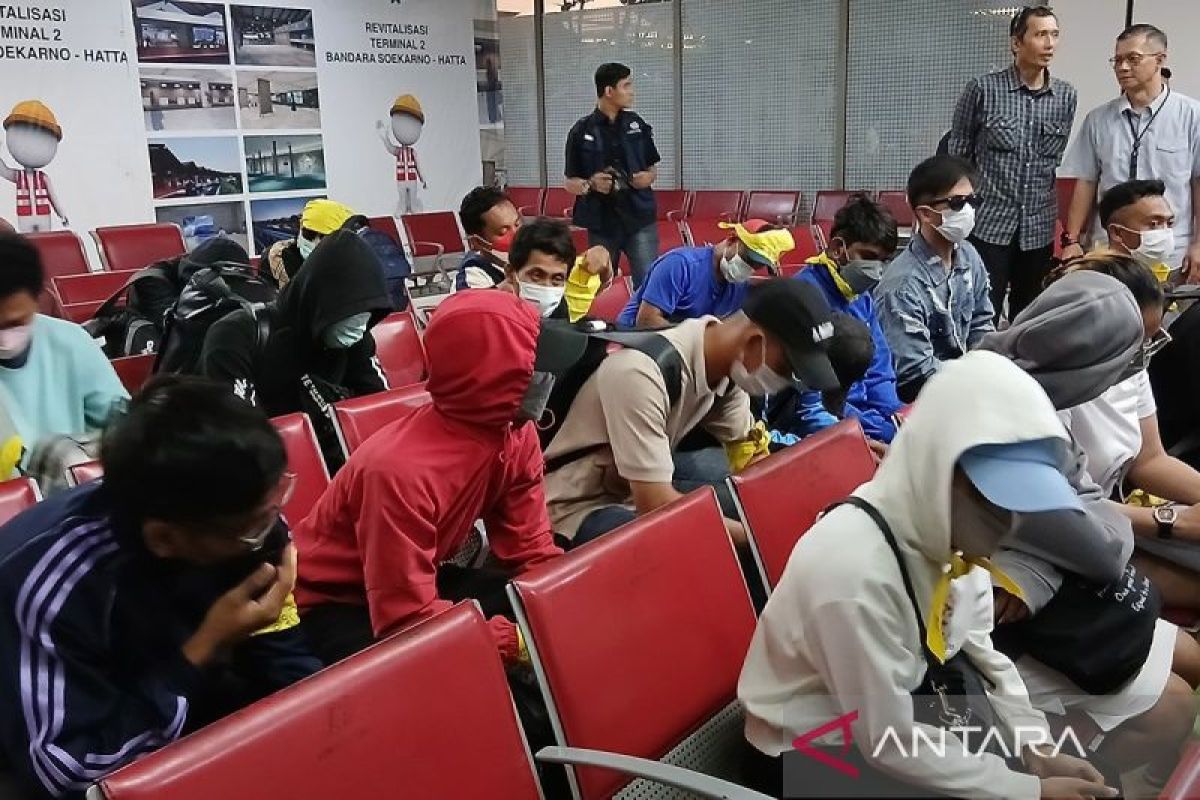
ASEAN now needs to strengthen the connectivity of its existing cooperation mechanisms so that enforcement can move as swiftly as these cross-border networks. The situation in Cambodia illustrates this immense challenge. From 1 January to 15 September 2026, the Indonesian Embassy in Phnom Penh received reports from 12,940 Indonesian citizens formerly involved in online scam networks requesting assistance to return to Indonesia. A total of 8,252 people have had their repatriation facilitated, while since early September, another 118 Indonesians were detained in several operations.
The sheer number of individuals found demonstrates the scale of the problem. However, enforcement against people and physical locations does not automatically dismantle operations. Networks can replace workers, accounts, operational bases, and digital tools. Therefore, legal enforcement must link findings from one part of the network to another.
ASEAN already possesses the basic tools for this. The ASEAN Declaration on Combating Cybercrime and Online Scams, agreed upon in September 2025, covers information exchange, mutual legal assistance, extradition, coordinated operations, joint investigations, and the tracking, freezing, and seizure of criminal proceeds. The declaration also emphasises the need for rapid responses to prevent the loss of criminal assets crossing jurisdictions.
Technical capabilities of authorities are also being strengthened. The ASEANAPOL Scam Combat Task Force held an investigation workshop in Semarang from 29 June to 3 July 2026, with over 60 participants. The material covered digital evidence, financial investigations, blockchain and crypto, and international law enforcement cooperation.
What is needed next is not merely adding new instruments, but building a workflow where every finding can trigger subsequent action. Recruitment information can lead to controllers, digital evidence can expand investigations, and financial intelligence can track cross-border fund movements.
The problem is that information valuable to one country may not immediately become actionable information for another. Yordan Gunawan, an International Law Expert at Universitas Muhammadiyah Yogyakarta, notes that jurisdictional boundaries, differing legal systems, and the need to obtain evidence and assets through legitimate mechanisms mean that cross-border scam handling cannot be done unilaterally.
Therefore, connectivity must mean more than just sharing information. Information must have context, be verifiable, and be immediately translated into investigative steps according to each country’s laws. Speed is critical because when digital evidence and funds move rapidly, delays in coordination can render a finding useless for enforcement.
Financial pathways are a vital link in the chain. Dicky Kartikoyono, Executive Head of Supervision of Conduct, Education, and Consumer Protection at the Financial Services Authority (OJK), stated that criminal proceeds can move within minutes through various platforms, mule accounts, virtual assets, and cross-border transactions. Delays in detecting suspicious transactions can make asset tracing and the dismantling of criminal networks difficult.
This means that financial investigations should not wait until after a raid. Fund tracing needs to run from the beginning alongside investigations into individuals and infrastructure, so that a single account does not merely serve as an object for blocking, but acts as an entry point to discover recruiters, controllers, assets, and other connected operations.
In Indonesia, the Indonesia Anti-Scam Centre (IASC) had blocked 607,210 accounts out of 1,179,881 accounts reported by the public as of 31 July 2026. Funds related to online fraud amounting to Rp724.1 billion were blocked, and Rp204.3 billion was returned to victims. When fund flows cross borders, tracing must not stop at the authority of a single nation.
Enforcement must also distinguish victims of human trafficking from those controlling the operations. In August 2026, ASEAN validated regional indicators regarding human trafficking for criminal exploitation and materials for implementing non-punishment principles. These tools help authorities recognise victims forced into criminal activity so that protection can be provided and investigations can be directed towards those who recruit, control, and profit from exploitation.