
Street Medicine Stalls on the Edge of Kramat Road, Preserving Life Amidst Urban Change
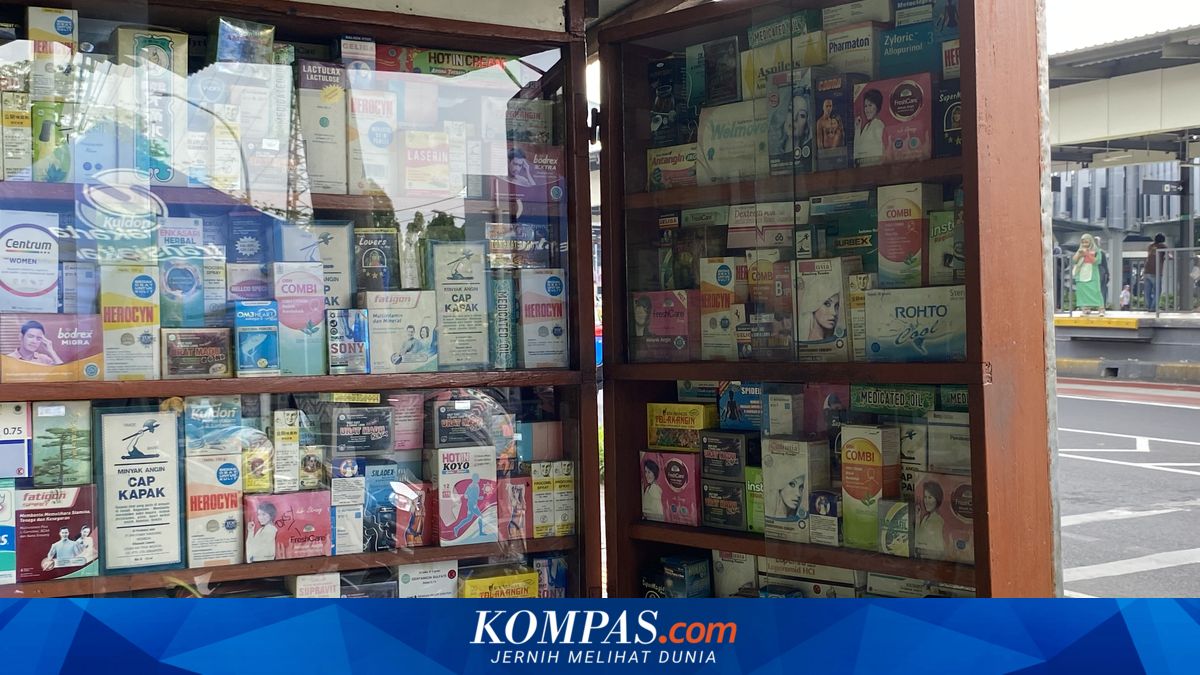
JAKARTA — The roar of vehicles never truly subsides along Jalan Letnan Jenderal Suprapto in Kramat, Central Jakarta. Amid the ceaseless hustle of the city, a number of street medicine vendors persist, maintaining simple stalls now increasingly squeezed by the changes of the times and evolving consumer patterns. Horns blare in response, public transport passes by, and pedestrians come and go in the unending rhythm of the city. On the roadside of the Kramat Raya area, a simple wooden stall stands amid the flow of traffic. The man from Bukittinggi, West Sumatra, has spent most of his life in that spot. Selling medicines on the street is not just a job for him, but a long journey that has shaped his life. “I’ve been selling here for almost 50 years,” Anas said quietly when met by Kompas.com on Friday (24/4/2026). He came to Jakarta following the urbanisation wave that once brought many migrants to the Kramat and Senen areas. Back then, this neighbourhood was known as a hub of community activity, bustling and vibrant, where people from all walks of life converged. “It was really crowded here in the old days,” he recalled. In Anas’s memory, Kramat was more than just a place for buying and selling. It was also a warm social space. Vendors knew each other, while customers came not just to transact but to chat. He remembers one icon from that era, Mulia Agung Theater. The cinema was a lively entertainment spot, occasionally offering free access to locals and small vendors. “The cinema was packed back then; we could sometimes watch for free,” he said briefly. Now, those memories are just stories. The landscape of the area has changed. Old shops have been replaced by multi-storey buildings, modern shophouses, and towering structures that dominate the city skyline. Modernisation has also altered how people meet their needs, including in healthcare. Modern pharmacies, big retail chains, and online services have become the primary choices. Easier access and quality assurances have shifted society away from old patterns. The impact is keenly felt by vendors like Anas. In recent days, he hasn’t served even a single customer. Yet, he still opens his stall every day, as if preserving an existence slowly eroded by time. “It’s been four days with no buyers; hopefully, I can get one or two to afford a meal,” Anas said. Amid these changes, Anas’s business model remains simple. He sources goods from various places—direct suppliers, wholesale shops, and informal networks. This practice exists in a regulatory grey area, as medicine distribution should go through official channels. But for Anas, the realities of life don’t always offer many options. “Better than begging; I sell like this,” he said. The medicines Anas sells come from nearby pharmacies to residents with excess stock they no longer use. In his sales setup, his stall is a wooden display case filled with various empty medicine boxes. “Yeah, these here (in the display) are empty. No contents. Just for show,” he explained. Those medicine boxes look faded and worn, with some still bearing designs from the 1990s era. “The actual medicines I sell are in the boxes down here (in the drawer),” Anas pointed out. For Anas, selling is not just about income. There is an emotional attachment that keeps him going.
Source: jawawa.id (https://jawawa.id/newsitem/street-medicine-stalls-on-the-edge-of-kramat-road-preserving-life-amidst-urban-change-1777445560)
Originally published by Kompas (https://megapolitan.kompas.com/read/2026/04/29/11491611/lapak-obat-di-tepi-jalan-kramat-menjaga-hidup-di-tengah-perubahan-kota?utm_source=ABC&utm_medium=rss), translated from Indonesian