
Strategy to Accelerate Bus Electrification in Indonesia Through Transport Sector Collaboration
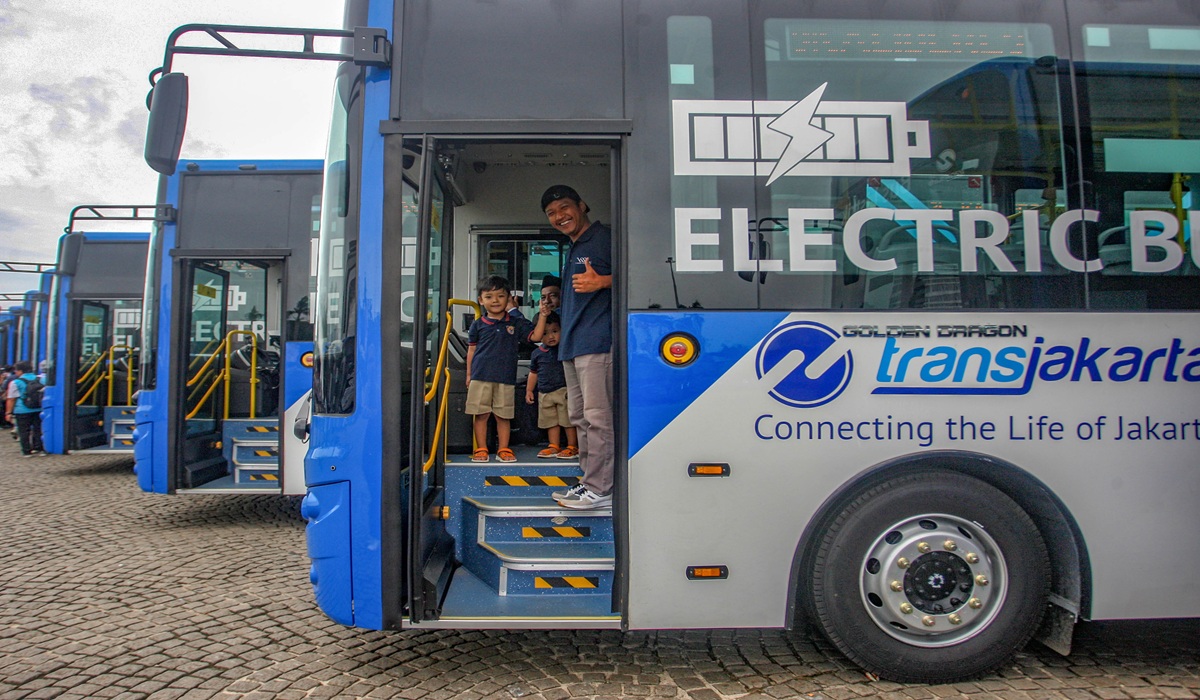
Efforts to accelerate transport electrification in Indonesia continue to show significant progress through a series of strategic collaborations announced at the Busworld Southeast Asia 2026 event. The primary focus of this development includes supporting the ambitious target of 10,000 electric TransJakarta buses by 2030, the expansion of intercity interprovincial (AKAP) electric bus services in West Kalimantan, and the strengthening of human resource quality within the green automotive sector.
PT Energi Makmur Buana (INVI) emphasised that the development of the commercial electric vehicle ecosystem must be carried out in an integrated manner from upstream to downstream. During a conference session titled “Powering Electric Bus in Indonesia: Electric Bus is Becoming Part of Energy Resilience and Economic Competitiveness”, the President Director of INVI, Alif Sasetyo, emphasised that electric buses now play a strategic role in strengthening national energy resilience and enhancing economic competitiveness.
“Transport electrification is not just about replacing fossil-fuel vehicles with electric vehicles. More importantly, it is about building an ecosystem capable of supporting sustainable operations. Amidst the need to increase operational efficiency, electric vehicles are becoming an increasingly relevant solution for Indonesia’s transport sector,” said Alif Sasetyo.
This commitment was realised through the signing of a Memorandum of Understanding (MoU) between INVI, PT Kalista Nusa Armada (KALISTA Group), and three major TransJakarta operators, namely PT Biro Perjalanan Umum (BPU), PT Trans Batavia, and PT Steady Safe. This cooperation aims to ensure the availability of capable electric bus fleets to meet the public transport decarbonisation targets in Jakarta.
Beyond the capital, expansion steps also target the West Kalimantan region. Through a partnership with PT Perintis (DAMRI), plans are in place to develop electric bus services for intercity routes. This step serves as an important milestone in proving that electric vehicle technology is ready to be implemented outside of Java, despite different geographical challenges.
Recognising that new technology requires new expertise, the INVI Technician Academy initiative was launched to train competent young technicians capable of handling electric vehicles. This programme is expected to bridge the gap in the demand for skilled labour as the population of electric buses increases in Indonesia.
With the integration of unit provision, infrastructure, and human resource readiness, Indonesia is optimistic about leading the green transport transformation in the Southeast Asian region, while simultaneously creating energy efficiencies that will have a positive impact on the national economy.