
Strategy for Buffalo Conservation in Indonesia Through a Cultural Approach
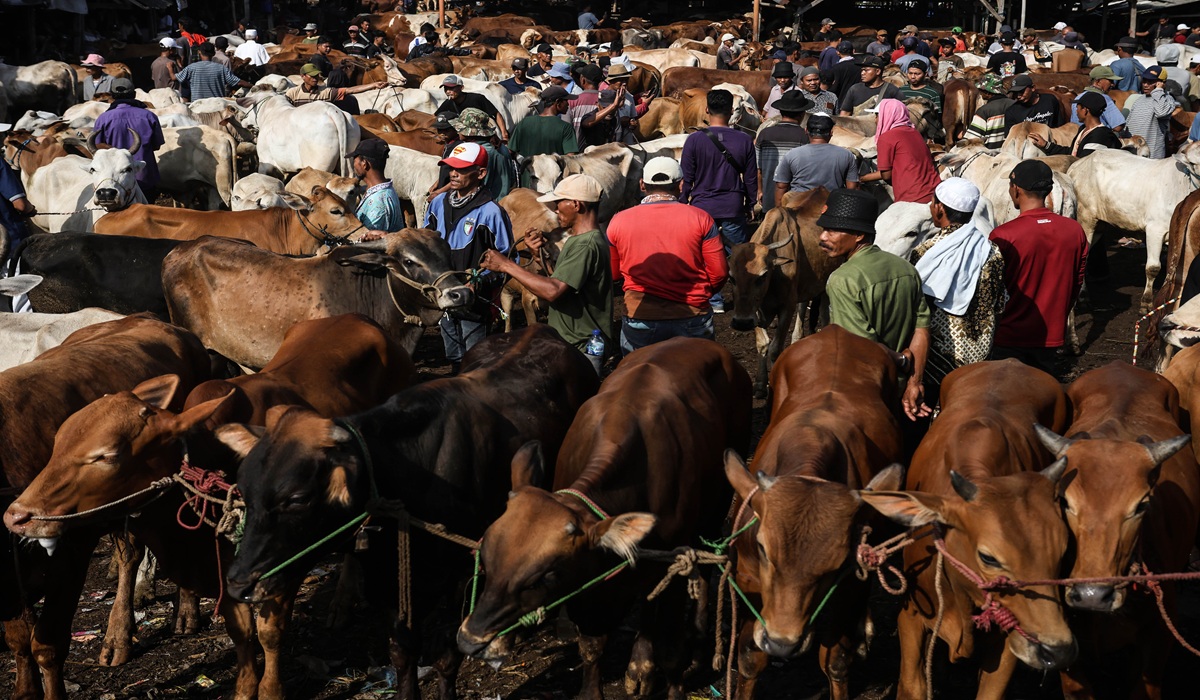
Amid increasingly massive agricultural modernisation, the existence of buffalo in Indonesia is now in a worrying position. The animal, which for centuries has been a loyal partner to farmers and a symbol of prosperity in various corners of the archipelago, is being pushed aside by machines and changing times.
Guru Besar IPB University, Prof Ronny Rachman Noor, highlighted that buffalo conservation cannot rely solely on a technical livestock approach. According to him, strengthening conservation through cultural channels and community traditions is the most effective key to maintaining the sustainability of this animal’s population.
Prof Ronny identified several crucial factors triggering the decline in buffalo numbers across the country. Agricultural mechanisation through the use of tractors has displaced the buffalo’s role as the primary workforce in the rice fields. Additionally, massive urbanisation has spurred land conversion, reducing the natural habitats of buffalo, such as paddy fields and swamps.
“Breeders feel that the younger generation’s interest in raising buffalo tends to decline because it is considered less profitable. Conversely, government policy focuses more on beef cattle and poultry, which may attract younger people more due to the clearer potential for profit,” Prof Ronny explained.
To address this downward trend, Prof Ronny proposed the revitalisation of traditions related to buffalo. This approach is considered more effective because of the strong emotional bond between the community and the animal. The buffalo is not merely livestock, but part of the nation’s collective identity.
Historically, the buffalo (genus Bubalus) has very deep roots in Asia. Originating from the Bovidae ancestor around 1–2 million years ago, its domestication process began 5,000–6,000 years ago in South Asia before spreading to the Nusantara through trade routes.
In Indonesia, the buffalo has become the backbone of various sacred customary rituals. Prof Ronny cited several important traditions as examples.
“The buffalo is a valuable part of Indonesia’s cultural heritage that we have long upheld. Although its numbers are declining due to modernisation, preserving the buffalo through traditions, rituals, and symbolic values is the best way to ensure it remains part of the nation’s identity,” concluded Prof Ronny.