
'Strange' Fish Appear in India Following Nepal Floods, Residents Forbidden from Eating
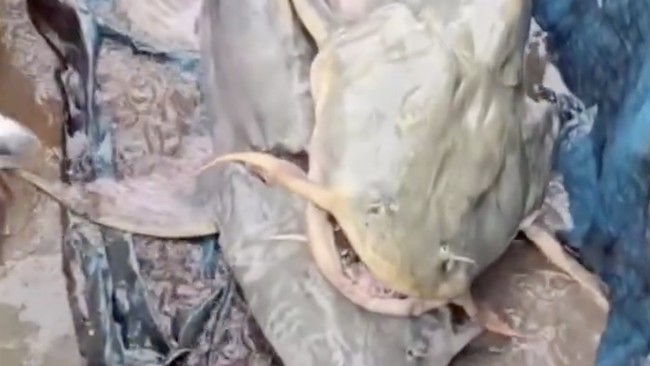
Massive flooding in Nepal has brought large and unusual fish to the Bihar region of India. Local authorities have requested that residents refrain from buying, selling, or consuming any fish caught from the floodwaters.
Water from the Trishuli River in Nepal has been flowing into Bihar via the Gandak and Kosi Rivers since the disaster struck last week. The powerful currents have carried various types of fish, debris, and even human and animal remains.
Fishermen in several areas of Bihar have discovered fish that are significantly larger and different from their daily catches. Some residents who had previously consumed the fish have reportedly fallen ill.
On Monday, the Bihar Department of Dairy, Fisheries, and Animal Resources issued an advisory urging citizens not to consume, purchase, or sell unidentified fish brought in by the floods.
“Without identification or confirmation from the relevant department, unknown or unusual fish must not be consumed,” the advisory stated, as reported by The Independent.
Fishermen in Gopalganj and Bagaha have reported catching fish weighing dozens of kilograms. A fisherman in Saharsa noted that catches can now reach between 27–38 kilograms, and even up to 40–45 kilograms.
The Bihar government explained that fish can be carried far from their original habitats during floods. During this journey, fish may be exposed to waste, animal carcasses, and various pollutants, making them a potential risk to human health.
Samir Kumar Sinha from the Wildlife Trust of India suggested that some of the fish entering the Gandak River may be Bagarius bagarius, known as the goonch catfish or locally as “Gochita”. This species inhabits fast-flowing rivers across India, Nepal, and parts of Southeast Asia, and is listed as threatened by the International Union for Conservation of Nature (IUCN).
In addition to the fish, the floods have brought silt, tree trunks, bridge debris, household items, LPG cylinders, and human and animal remains from Nepal. This situation increases the risk of water contamination and the spread of diseases such as diarrhoea, cholera, typhoid, and hepatitis A and E.
Stagnant water also poses a risk of becoming a breeding ground for mosquitoes carrying dengue fever, malaria, and chikungunya. The Bihar government has urged residents to seek immediate medical attention if they experience vomiting, severe diarrhoea, abdominal pain, dizziness, or difficulty breathing after consuming fish caught from the floodwaters.
Residents are also asked to report any sightings of unusual fish to fisheries officers in their respective areas.
Source: jawawa.id (https://jawawa.id/newsitem/strange-fish-appear-in-india-following-nepal-floods-residents-forbidden-from-eating-1788530266)
Originally published by CNBC Indonesia (https://www.cnbcindonesia.com/tech/20260904121950-37-764953/ikan-aneh-muncul-di-india-usai-banjir-nepal-warga-dilarang-makan), translated from Indonesian