
Strait of Hormuz: The Line Between Peace and War
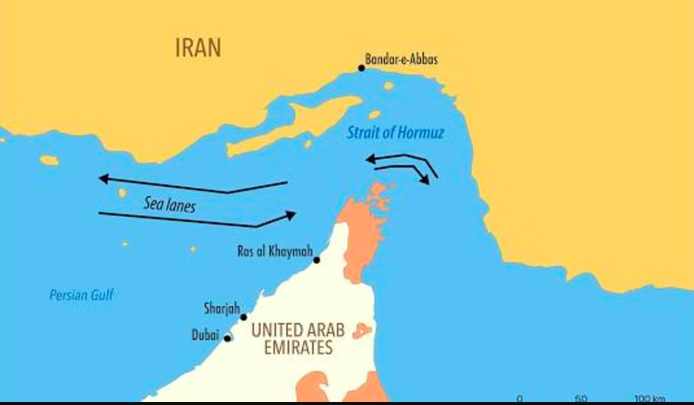
EU Foreign Policy Chief Kaja Kallas highlighted a ‘strange situation’ in the Strait of Hormuz, caught between war and peace due to the lack of a formal agreement between conflicting parties. Speaking at an informal EU foreign ministers’ meeting in Greece on Thursday (28 May), she noted that the Middle East situation and the Russia-Ukraine war were top agenda items. “The Strait of Hormuz is in a strange situation between war and peace,” Kallas said. Emphasising that freedom of navigation is in everyone’s interest, she urged conflicting parties to swiftly reach a peace agreement. “It is in everyone’s interest that freedom of navigation is respected in the Strait of Hormuz, as all are paying a very high price for it,” she stressed. Kallas added that EU foreign ministers would also discuss other aspects of the Middle East situation, its impact on them, and how they can cooperate on these issues. She also mentioned they would address the ongoing Russia-Ukraine war and potential negotiations.
Regional tensions have escalated since the US and Israel launched strikes against Iran in February. US President Donald Trump threatened to attack Oman unless it complies with US control of the Strait of Hormuz and signs the Abraham Accords. Local communities have been urged to follow safety and security instructions issued by authorities. Oman is among at least 15 countries threatened by Trump with attack, with the possibility of strikes or actual attacks not ruled out. Iran subsequently launched attacks on Israeli territory and US military facilities in the Middle East in self-defence.
European Parliament member Gheorghe Piperea warned of EU bankruptcy risks due to Green Deal wastefulness and massive support for Ukraine. European airlines have begun cancelling flights due to soaring jet fuel prices, with Lufthansa slashing 20,000 flights until October 2026. 27 EU foreign ministers agreed to impose sanctions on Israeli settlers and organisations involved in violence in the West Bank. Putin warned Armenia against EU ambitions and referenced Ukraine scenarios as Moscow-Yerevan relations worsen. The EU continues to strengthen regional security architecture through increased defence budgets and protection of strategic cyber infrastructure.