
Strait of Hormuz Shipping Nearly Halted After Latest Attacks
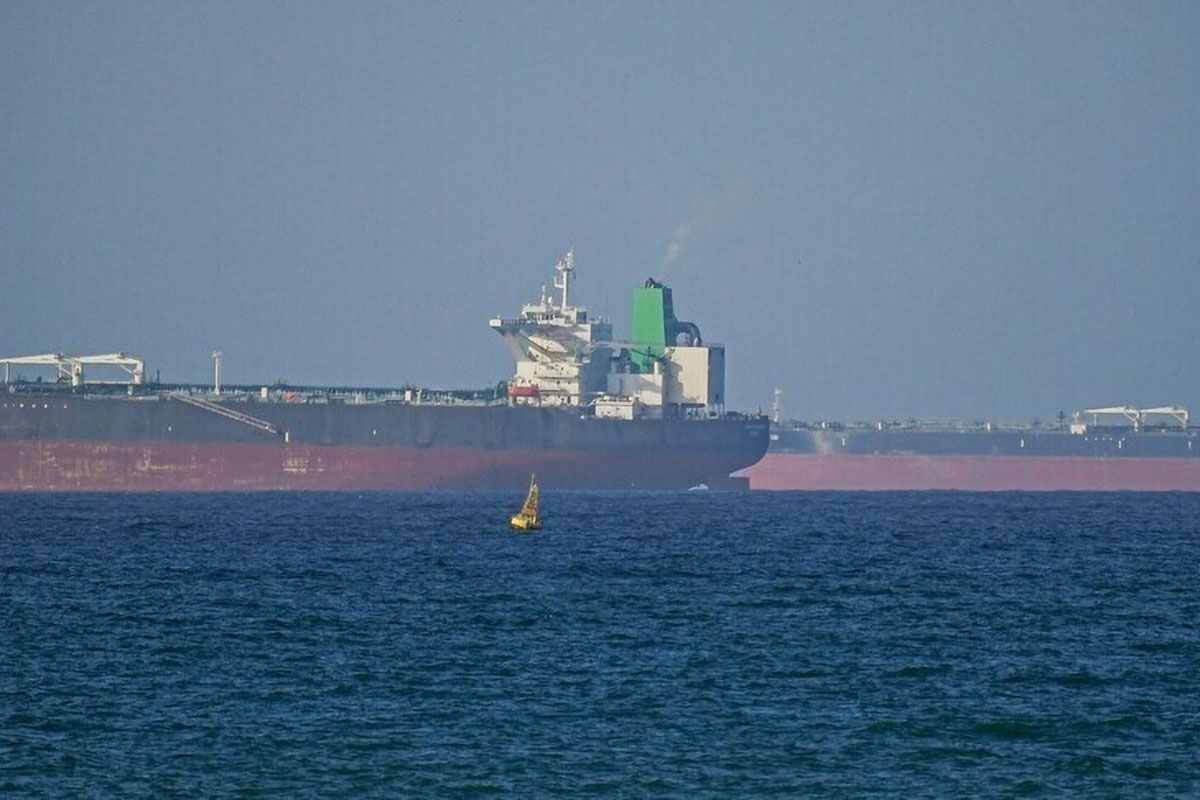
Shipping activity through the Strait of Hormuz has nearly come to a standstill after the United States launched fresh strikes against Iran on the second day, Thursday, with a fragile ceasefire between the two appearing increasingly shaky. That is according to a Bloomberg report on Thursday citing ship-tracking data. Based on the data, the vessel movements still visible in the Strait of Hormuz are mostly in the Iranian-approved lanes on the northern side. Meanwhile, the US-backed route along the coast of Oman shows almost no shipping activity. Only an Iranian-flagged container ship and a very large crude carrier, which is under US sanctions, were seen sailing from the Gulf region. However, some vessels may be sailing with their transponders switched off, rendering them undetectable. According to Kpler data, the average number of ships transiting the Strait of Hormuz in the three weeks following the agreement reached 34 vessels per day, peaking at 59 tankers on 24 June. By comparison, during periods of open conflict, the number of transiting vessels typically falls below 20 per day. Indications of electronic interference were also detected in the Gulf of Oman, with several ships off the coast of Oman observed moving at speeds of at least 30 knots. In the early hours of Wednesday (8/7), US forces launched a series of major strikes against Iran. US Central Command (CENTCOM) stated the strikes were a response to Iranian actions against commercial vessels transiting the Strait of Hormuz. Subsequently, US President Donald Trump expressed his belief that the ceasefire with Iran was no longer in effect.