
Strait of Hormuz Reopens After US-Iran Peace Deal, Could Pertamax Prices in Indonesia Fall?
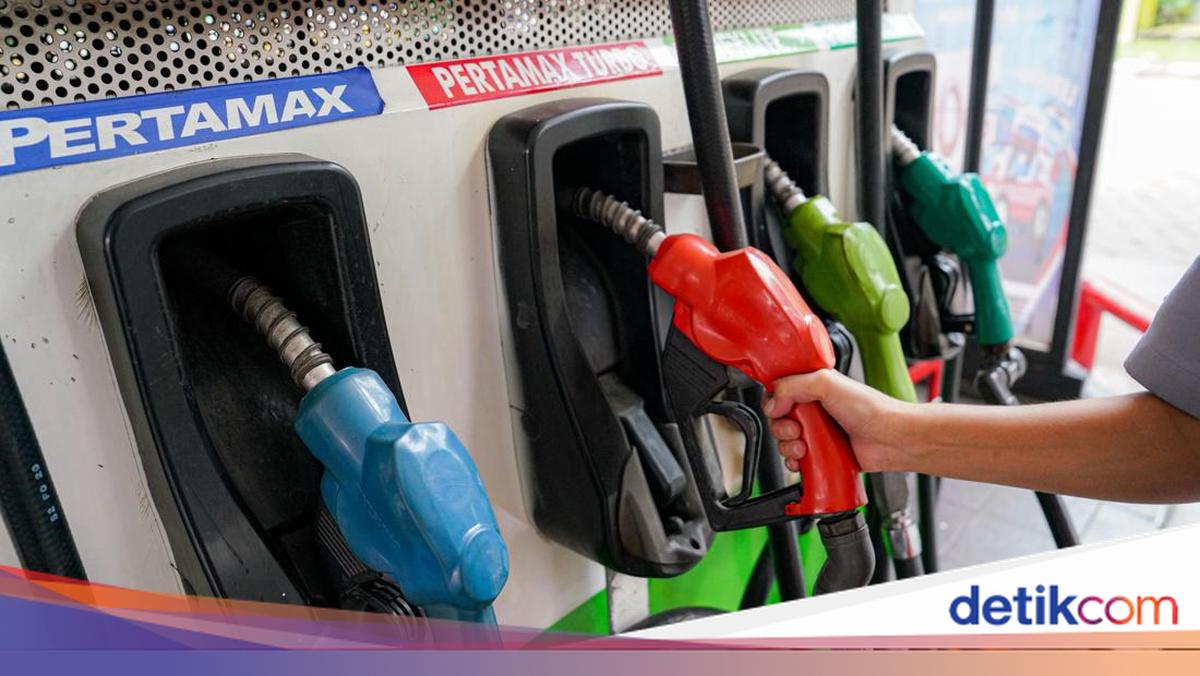
The United States (US) and Iran, which have been engaged in conflict over the past few months, have announced a peace deal. The Strait of Hormuz, the world’s largest shipping lane for oil tankers, has also been reopened. So, does the peace between the US and Iran make it possible for non-subsidised fuel prices, such as Pertamax, to fall in Indonesia?
Spokesperson for the Ministry of Energy and Mineral Resources (ESDM), Dwi Anggia, revealed that the pricing of non-subsidised fuel is adjusted according to economic prices. If world oil prices fall, the selling price of Pertamax and similar fuels can also decrease.
‘Can the price fall? Definitely. When world oil prices fall, it is certain that non-subsidised fuel prices will fall. Conversely, when world oil prices rise, inevitably it will adjust to its economic price,’ Anggia explained at the Bakom Building, South Jakarta, on Wednesday (17/6/2026). ‘Otherwise, this will affect the sustainability of national energy procurement,’ she added.
It is known that world oil prices plunged about 5 percent in trading on Tuesday, touching their lowest level in three months. The agreement also paves the way for Iran to resume selling oil to the global market. According to a Reuters report, Brent crude oil prices fell by US$4.21, or 5.1 percent, to US$78.96 per barrel. Meanwhile, US West Texas Intermediate (WTI) crude oil dropped US$4.70, or 5.8 percent, to US$76.05 per barrel. That closing was the lowest for Brent since 2 March and for WTI since 4 March. For comparison, before the US-Iran war broke out on 28 February, Brent closed at US$72.48 per barrel and WTI at US$67.02 per barrel.
Anggia then noted that non-subsidised fuel prices in several neighbouring countries had already risen earlier. According to her, Indonesia had tried to hold back the price increase to maintain people’s purchasing power. ‘We know that last April, in accordance with the President’s directive, the government was still trying to maintain economic price stability and protect people’s purchasing power. There were discussions with state-owned enterprises and private business entities to maintain subsidised fuel,’ said Anggia. ‘But as time goes by and price fluctuations become more dynamic, business actors adjust to their economic prices,’ she continued.
Anggia again stressed that adjustments to non-subsidised fuel prices could indeed be made, especially if world oil prices continue to weaken. ‘If asked whether world oil prices will fall or not? Certainly, there will be adjustments to non-subsidised fuel prices later,’ Anggia stated.
Meanwhile, member of the National Economic Council (DEN), Firman Hidayat, also spoke about the opportunity for adjusting non-subsidised fuel prices following the drop in world oil prices. Firman explained that currently, Brent crude oil prices have fallen below US$80 per barrel. ‘That should mean the price of non-subsidised diesel, Pertamax, can slowly come down. Moreover, if crude can go below US$80, automatically there will definitely be another adjustment,’ Firman told reporters at the Ministry of National Development Planning/Bappenas office. Firman believes the peace agreement will consistently keep world oil prices below US$80 per barrel, especially as global oil supply is currently experiencing a relative surplus.
Source: jawawa.id (https://jawawa.id/newsitem/strait-of-hormuz-reopens-after-us-iran-peace-deal-could-pertamax-prices-in-indonesia-fall-1781751050)
Originally published by detikBali (https://www.detik.com/bali/bisnis/d-8536402/selat-hormuz-dibuka-usai-as-dan-iran-damai-harga-pertamax-di-ri-turun), translated from Indonesian