
Strait of Hormuz Remains Turbulent, Global Oil Stocks Approach Record Low
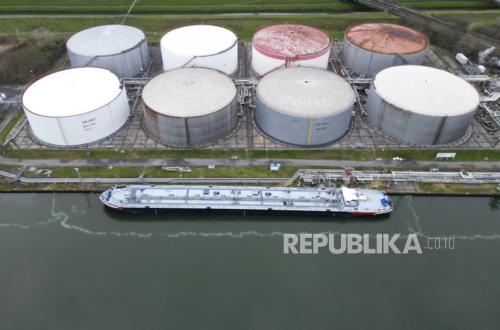
Global crude oil supplies are reported to be approaching historic lows amid the ongoing war in the Middle East, which is disrupting tanker traffic through the Strait of Hormuz. This was stated by Goldman Sachs commodity analysts. Quoted from Oilprice.com on Wednesday (22/4/2026), Goldman Sachs warns that even if oil flows through the route begin to improve by the end of this month, the decline in supplies will continue. This is as cited from The Wall Street Journal. Analysts note that even if the Strait of Hormuz reopens in May, the shrinkage of global oil stocks will persist until May or even June. The war so far has caused producers in the Middle East to lose production of up to 13 million barrels per day, specifically for crude oil. Meanwhile, combined exports of crude oil and refined products are reported to have fallen by around 20 million barrels per day. The head of the International Energy Agency (IEA), Fatih Birol, previously stated that more than 80 oil and gas facilities in the region have been damaged, worsening the situation. On the other hand, the longer the war lasts, the greater the potential loss of oil production. The financial institution Nomura previously estimated an additional production loss of 2.3 million barrels per day in March. Compared to the same period last year, Middle East oil production has fallen by up to 9.3 million barrels per day, equivalent to a supply pressure of 57 percent. Several analysts estimate that production recovery will not happen quickly. Restoring production to normal levels is expected to take months, even until the end of the year. According to Birol, full recovery of oil production in the Middle East region could take up to two years. He added that the supply recovery time will vary by country. Iraq, for example, is expected to take longer to restore production to pre-war levels than Saudi Arabia.