
Strait of Hormuz Negotiations Stalled by Trump's Compensation Demands
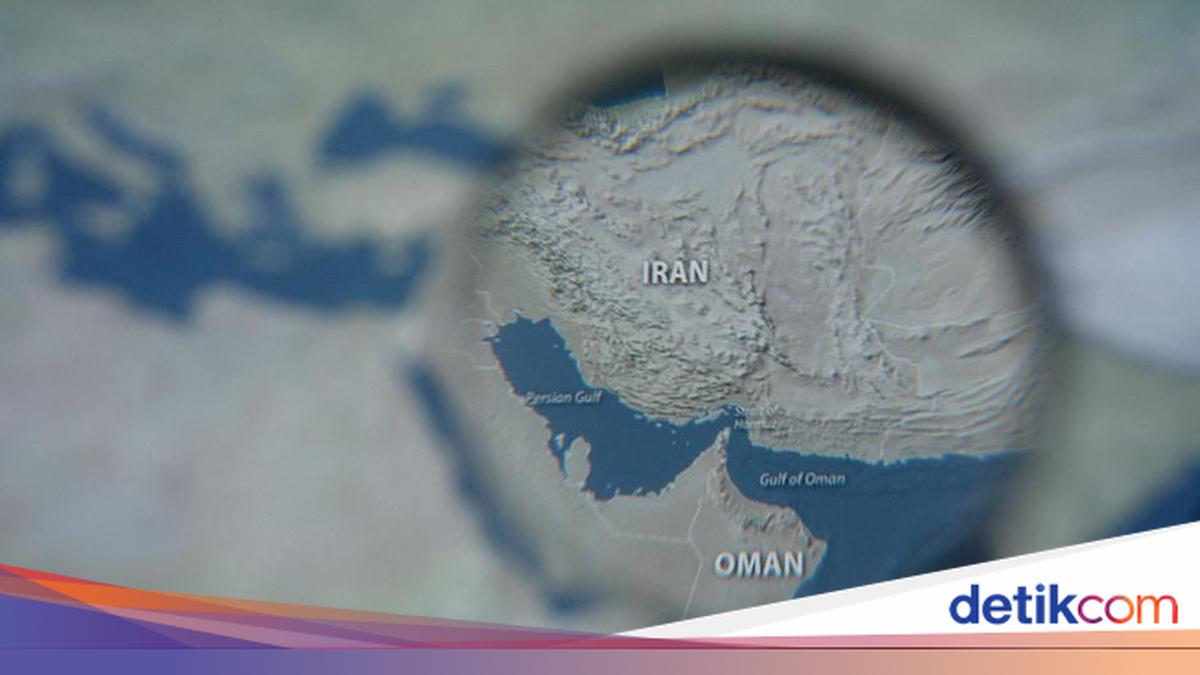
Iran is demanding a number of concessions from the United States before reopening the Strait of Hormuz to commercial shipping. Iranian Foreign Ministry spokesman Esmaeil Baghaei said Tehran is asking the US to end its blockade of Iranian ports, lift economic sanctions, release frozen Iranian assets, and pay compensation for war damages.
“The US side must stop and rectify its illegal and damaging actions,” Baghaei said. He stressed that the reopening of the strait depends on the fulfilment of these demands.
On Monday, Baghaei said talks between Iran and Oman regarding shipping arrangements were proceeding “smoothly and constructively”. According to him, both parties have agreed on a map of shipping lanes, while a number of technical issues remain unresolved.
“We have reached an agreement on the map of shipping lanes,” Baghaei said. The discussions also covered “safe navigation, environmental protection, maritime services and crime prevention”.
Iran previously stated it planned to charge fees to commercial vessels transiting the Strait of Hormuz. The United States has repeatedly rejected any deal that would allow Tehran to charge for access to the waterway.
According to Reuters, Iran’s demands largely align with provisions in a preliminary peace agreement signed in June, which subsequently failed to be implemented.
The Strait of Hormuz has been effectively closed since the start of the war. Before the conflict, about a fifth of the world’s oil and liquefied natural gas supplies passed through the waterway. Iran says the strait’s reopening remains contingent on the cessation of US sanctions and military threats, as well as the payment of compensation for war damages.
Trump counters with compensation demands from Iran
Iran’s demands drew a response from US President Donald Trump. On Monday, Trump said Washington would also seek compensation from Iran in any peace negotiations.
“We will be asking for money for the damage they’ve caused over a 50-year period,” Trump told reporters at the White House. He said the payment would cover the deaths of civilians in demonstrations as well as US military personnel in the region.
“If there’s damage to be paid, I think Iran should pay that damage,” Trump said.
In a social media post, Trump also said Iran must be held accountable for the “damage and death” that occurred in Lebanon, Syria, Yemen, and Gaza. He stated that these demands would be included in negotiations with Iran.
Trump also demanded compensation for the families of 17 US sailors killed in the attack on the USS Cole in 2000. However, Reuters noted that the attack was linked to al-Qaeda, not Iran.
The new demands from Washington emerged after Tehran first requested compensation and the cessation of sanctions. This development could further complicate efforts to reopen the Strait of Hormuz. Crude oil prices closed about 5% higher on Monday after Trump’s demands reduced the prospects of reaching a deal.
Conflicting claims over the Strait of Hormuz’s status
Amid the negotiations, there are conflicting statements regarding the condition of the Strait of Hormuz. On Monday, Trump said mines had been cleared and the waterway was now open for commercial traffic.
“There’s a little bit of a complication because they [Iran] sometimes drop mines, and we found the mines. We’ve cleaned the whole strait of mines,” Trump said. He also stated that the United States has “100 percent” control of the waterway.
Meanwhile, US Vice President JD Vance said Iran laid many mines in the strait at the beginning of the war. Washington, according to Vance, is preparing a mechanism to guarantee shipping safety, including mine clearance and Iran’s commitment not to attack commercial vessels.
However, Reuters reported that the Strait of Hormuz remains effectively closed since the war began. Iran has previously said the strait’s reopening depends on an agreement with the United States and its allies.
On the other side, Washington is increasing economic pressure on Tehran through “Operation Economic Fury”. US Treasury Secretary Scott Bessent described the policy as the “financial equivalent” of a bombing campaign, including threats of sanctions against countries that purchase Iranian oil or engage with its banking system.
According to the US Treasury Department, Iranian oil shipments have fallen from an average of 1.8 million barrels per day before the war to less than 500,000 barrels per day in the last month. The International Monetary Fund estimates Iran’s economy has contracted by 5.4%, while the Iranian government reported an annual inflation rate of 88.6%.
Richard Nephew, a senior researcher at Columbia University, said the economic pressure lacks a clear objective. “Economic pressure may be part of the strategy, but he hasn’t explained the goal,” Nephew said.
Juan Zarate, a former US deputy national security adviser, said sanctions and the blockade give Washington economic and financial leverage over Tehran, but the impact takes time. “The main question is how far the United States is willing to go in squeezing Iranian oil trade and threatening third countries with severe sanctions,” Zarate said.
These developments come as Trump faces domestic pressure to end the war. Rising fuel prices are also becoming a political issue ahead of the November midterm elections.
Source: jawawa.id (https://jawawa.id/newsitem/strait-of-hormuz-negotiations-stalled-by-trumps-compensation-demands-1786452963)
Originally published by detikcom (https://news.detik.com/dw/d-8614182/negosiasi-selat-hormuz-terhambat-tuntutan-kompensasi-trump), translated from Indonesian