
Strait of Hormuz Heats Up: How Will It Impact Global Oil Prices and...
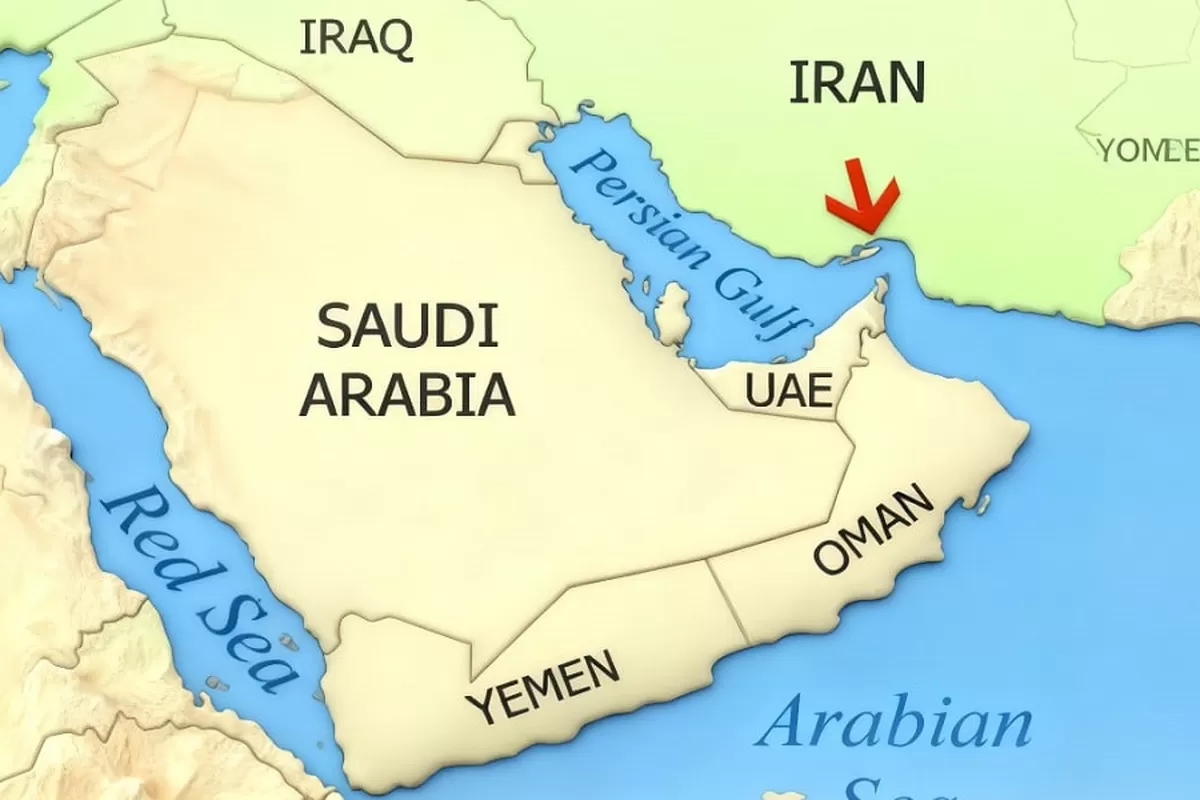
Could the conflict in the Strait of Hormuz truly shake global investments in a matter of days? Why is China able to secure its energy supplies while Western countries face significant risks?
Strait of Hormuz Becomes Determinant of Energy Price Stability and Global Markets
The Strait of Hormuz is once again in the global spotlight as this route carries approximately 21 million barrels of oil per day, or about 21% of global consumption.
Historical data shows that every escalation of conflict in the region can add a risk premium to oil prices of around $10 to $30 per barrel.
Strategic Relations Between Iran and China Form New Alternative Energy Route
Iran is reported to have sent around 11.7 million barrels of oil to China during the March 2026 tensions without significant disruptions to those energy deliveries.
Oil payments using the yuan through a non-SWIFT system also play a crucial role in maintaining smooth energy transactions between the two countries.
Iran’s New Energy Infrastructure Reduces Reliance on Traditional Strait of Hormuz Route
Iran is developing the Jask Oil Terminal as an alternative export route outside the Strait of Hormuz to reduce the risk of energy distribution disruptions.
This infrastructure investment is said to receive technical support from Chinese industry partners as part of strengthening energy supply chain security.
Source: jawawa.id (https://jawawa.id/newsitem/strait-of-hormuz-heats-up-how-will-it-impact-global-oil-prices-and-1775620403)
Originally published by bisnis.hallo.id (https://bisnis.hallo.id/internasional/7316957695/selat-hormuz-memanas-bagaimana-dampaknya-terhadap-harga-minyak-dunia-dan-strategi-investasi-global), translated from Indonesian