
Strait of Hormuz Heats Up and Rupiah Weakens, Plastics Industry Cries Out
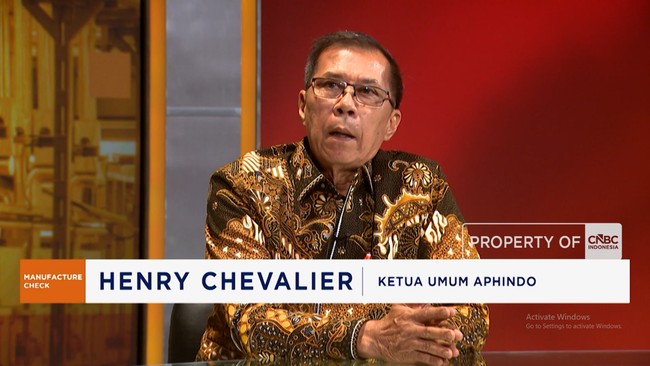
The national plastic industry is facing several challenges amidst economic volatility and global uncertainty. The General Chairman of the Indonesian Downstream Plastic Industry Association (Aphindo), Henry Chevalier, stated that the plastic industry is currently in a ‘wait and see’ mode, given the sector’s heavy reliance on raw material availability and legal certainty.
Aphindo noted that certain government policies are currently unfavourable to the plastic industry, particularly regarding import duties on plastic raw materials. The association is requesting incentives to address the surge in prices and logistical disruptions affecting imported raw materials, including naphtha.
The downstream plastic industry is inextricably linked to the upstream sector; as the petrochemical industry continues to face utilisation challenges, downstream manufacturers must rely on imports for raw materials. Under these circumstances, the depreciation of the Rupiah has led to increased raw material costs and scarcity, posing a major challenge to the industry.
Furthermore, the influx of imported finished plastic products is undermining the competitiveness of domestic goods. This is particularly evident in products such as wrapping packs, which are currently nearly 40% imported, as well as plastic sacks used for rice and cement.
Source: jawawa.id (https://jawawa.id/newsitem/strait-of-hormuz-heats-up-and-rupiah-weakens-plastics-industry-cries-out-1782960677)
Originally published by CNBC Indonesia (https://www.cnbcindonesia.com/news/20260701160531-8-747239/video-selat-hormuz-memanas-rupiah-melemah-industri-plastik-teriak), translated from Indonesian