
Strait of Hormuz Boils Over: Iran Retaliates Against US Attacks with Missiles and Drones
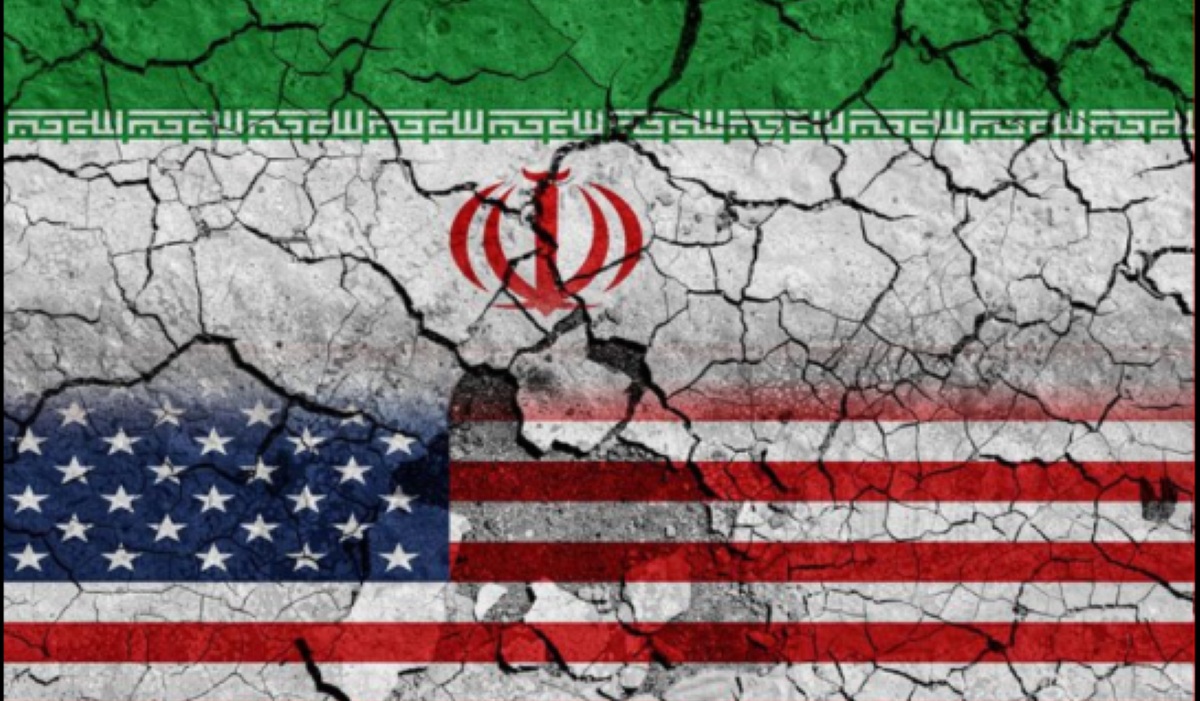
Tensions in the Middle East reached a new boiling point after Tehran launched a wave of missile and drone attacks against United States naval assets. The move deepens the conflict over control of the Strait of Hormuz, the most crucial waterway for global energy supplies. Iran’s attack was a direct response to US military operations on Sunday (12/7) that targeted a number of sites in Iran, including air defence systems, radar sites, drone equipment, and small vessels. Washington stated its aim was to cripple Iran’s ability to target civilian sailors and commercial ships transiting the Strait of Hormuz. Iran’s Islamic Revolutionary Guard Corps (IRGC) asserted on Monday (13/7/2026) that the Strait of Hormuz is their territory. Tehran claimed to have closed the waterway again, triggering global uncertainty over the smooth flow of energy logistics. The strait is a passage for a fifth of the world’s oil and gas before the war broke out. Susannah Streeter, a market expert from Wealth Club, described the Strait of Hormuz as an ‘Achilles heel’ for the United States in this conflict while being Iran’s strongest trump card. As a result of the latest escalation, Brent crude oil prices surged 4 percent on Monday, breaking above US$79 per barrel. Iranian state media reported that ballistic missiles were launched from western and central Iran towards US bases and ships. The previous US strikes reportedly hit the provinces of Hormozgan, Khuzestan, and Markazi near Tehran, resulting in at least two deaths. Data from the intelligence platform Kpler showed that ship crossings in the Strait of Hormuz plummeted by around 52 percent week-on-week during the period of 10-12 July. Commercial vessels are now switching to defensive routing patterns to avoid the conflict zone. The Institute for the Study of War (ISW) analysed that Iran rejects any arrangement that undermines its control over the waterway. For Tehran, losing control of Hormuz is considered a serious strategic defeat in this war. Iran’s claims regarding the destruction of US military facilities in Kuwait and Bahrain have not yet been independently confirmed by Washington. However, this escalation is certain to threaten global economic stability through inflationary pressures caused by rising energy prices.