
Strait of Hormuz Blockade: Why Iran's Strategy is Starting to Backfire on Tehran
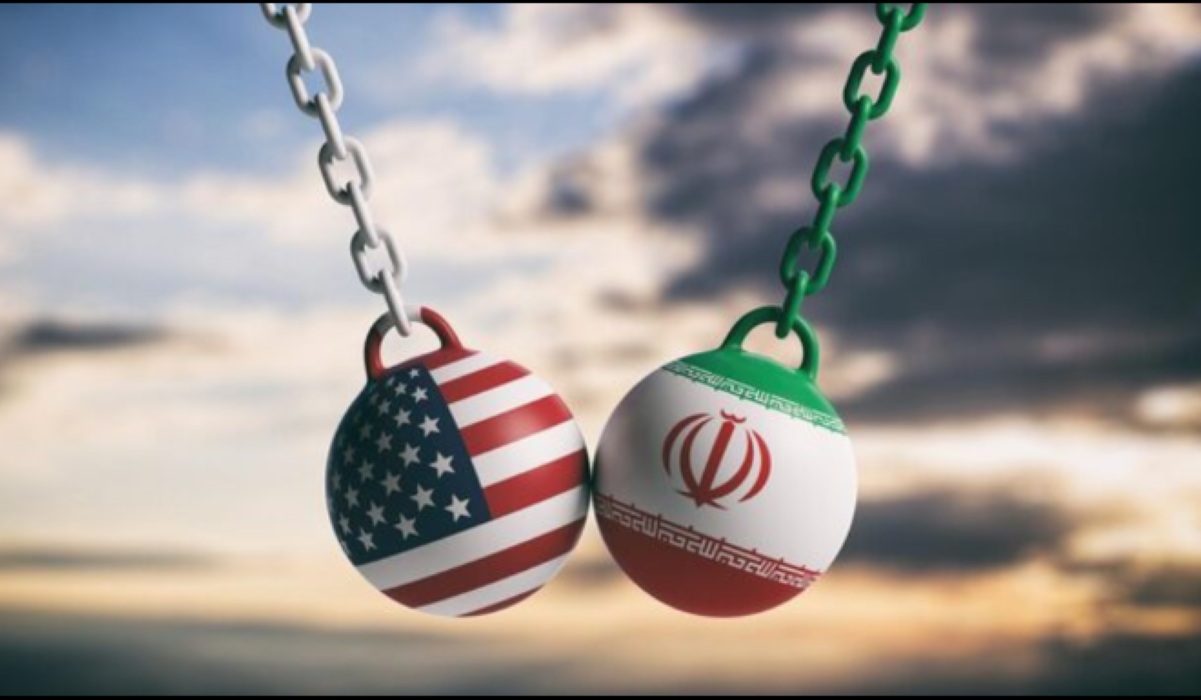
The intense competition in the Strait of Hormuz between the United States and Iran has entered a new phase. Initially, both parties hoped to outlast their opponents, believing that time would favour their respective interests. However, current trends suggest that the situation is beginning to turn against Tehran.
US naval blockades have successfully prevented Iran from exporting oil from the Persian Gulf since last July. Conversely, despite drone and missile attacks from Iran, Washington has been able to assist Arab Gulf nations in maintaining the flow of crude oil through the waterway. This has prevented global oil prices from surging past critical levels.
“Iran’s blockade is more ‘leaky’ compared to the US blockade,” said Samir Madani, co-founder of the maritime intelligence firm TankerTrackers.com. According to him, Iran is unable to completely close the entire route.
Six months ago, Tehran decided to close the Strait of Hormuz, effectively holding one-fifth of the world’s crude oil supply. However, this move proved to be a miscalculation. The strategy failed to trigger the global economic crisis intended to force President Trump to end the pressure on Iran on Tehran’s terms.
Instead, the blockade of Iranian ports, imposed by Trump since April and tightened in July, remains in place. Nevertheless, the increasing economic pressure has not yet triggered a popular uprising against the Islamic Republic, nor has it convinced Tehran to reopen the strait for free navigation.
“The assumptions of both sides have not materialised, and both find themselves without an exit,” said Vali Nasr, professor of Middle East studies at Johns Hopkins University.
Currently, Iran’s influence over the Strait of Hormuz is being gradually eroded by the US military campaign. Crude oil prices remain below US$100 per barrel in the international market—a high figure, but still below the critical threshold for the global economy. This is partly due to China’s actions in utilising domestic reserves and reducing imports.
While this condition stifles the economies of neighbouring nations such as Qatar, Kuwait, Iraq, and Bahrain, which lack alternative sea routes, the heaviest pressure is felt by Iran itself. The rial continues to lose value, inflation is soaring, and fuel shortages have become commonplace.
The American political calendar is also a major factor in Iranian thinking. Iranian leaders are acutely aware of the unpopularity of war in the US, particularly due to rising petrol prices. They are reluctant to provide Trump with a ‘gift’ of falling gas prices ahead of the upcoming US midterm elections in November.
Internally, real power in Tehran appears to reside with the commanders of the Islamic Revolutionary Guard Corps (IRGC). While civilian leaders, such as President Masoud Pezeshkian, have called for a return to negotiations, military commanders view the situation as a struggle for survival and tend to favour escalation over surrender.
“One option for them is to surrender. The other is massive escalation to try and escape this tight corner,” added Nasr. With a weakening economy, Iranian leaders may be deliberately creating a more militarised society to prevent mass protests similar to those seen last January.
As of now, both the US and Iran are still exercising restraint regarding full-scale attacks on each other’s urban centres or political leadership, leaving room for future diplomacy, even though tensions remain at a boiling point.