
Strait of Hormuz Begins to Ease: Three Iranian Oil Tankers Leave Blockade Area
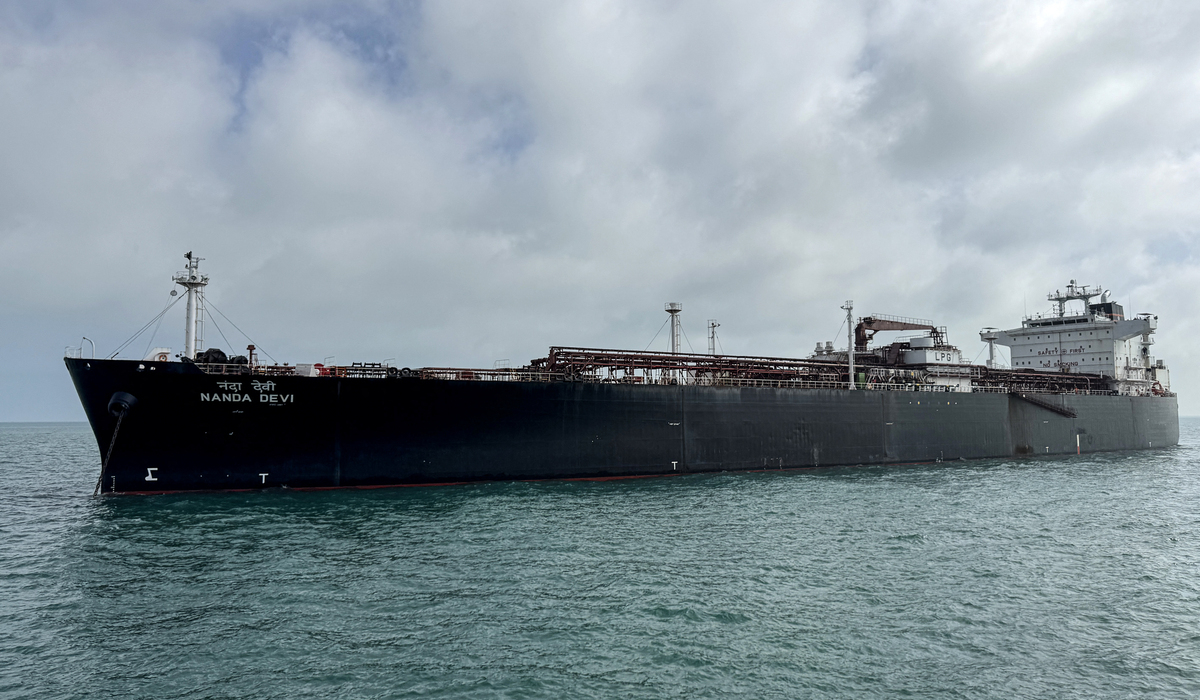
Three Iranian oil tankers have reportedly left the blockade area in the Strait of Hormuz, days before the scheduled signing of a memorandum of understanding (MoU) between Washington and Tehran in Switzerland. The information was released by TankerTrackers, a global oil shipping monitoring site.
“First exposure of Iranian crude in two months,” the site stated. According to data monitored by TankerTrackers, at least three Iranian tankers have departed the area previously under US Navy blockade. “At least two VLCCs belonging to the National Iranian Tanker Company (NITC), named DIONA (9569695) and HERO2 (9362073), have exited the US Navy blockade perimeter carrying a combined total of 3.8 million barrels of Iranian crude,” TankerTrackers wrote on its official X account on Tuesday (16/6). The monitoring agency also reported a third tanker had successfully left the blockade area. “A third NITC tanker, a Suezmax, has now crossed out of the blockade line carrying 1 million barrels of Iranian crude,”
The tanker movements come amid diplomatic developments between the United States and Iran, which in recent days have shown signs of easing tensions. The US had previously imposed restrictions on vessels sailing to and from Iranian ports as part of economic pressure against Tehran. In response, Iran had closed the Strait of Hormuz following attacks launched by the US and Israel on its territory in late February.
The departure of the Iranian tankers from the blockade area is seen as an early signal ahead of the MoU signing scheduled to take place in Burgenstock, Switzerland, on 19 June. According to circulating information, the Iranian delegation will be led by Mohammad Bagher Ghalibaf. The US government has yet to officially announce who will lead its delegation at the meeting. President Donald Trump previously stated that Vice President JD Vance would attend the signing ceremony. Vance has confirmed his attendance and did not rule out the possibility of Trump also travelling to Switzerland.
The MoU to be signed by the two countries reportedly covers several important issues, including the reopening of the Strait of Hormuz, the lifting of various economic sanctions against Iran, and discussions regarding the future of Tehran’s nuclear programme. The agreement is expected to serve as an initial step towards a broader negotiation process aimed at ending the conflict between the two nations and laying the foundation for long-term peace in the Middle East region. With Iranian oil exports beginning to move and diplomatic intensity increasing between the two sides, global attention is now focused on the outcome of the meeting in Switzerland, which could determine the direction of US-Iran relations in the coming years.