
Strait of Hormuz and the Fragility of the US-Iran Ceasefire Understanding
The United States (together with Israel), after attacking Iran since 28 February 2026, finally agreed to a cessation of fighting through a Memorandum of Understanding (MoU) in Islamabad on 17 June 2026, containing 14 points of understanding. Although the parties agreed to halt the fighting, the MoU is not a final peace agreement but rather a temporary cessation of hostilities. There is a 60-day window, until August 2026, to follow up the MoU in the hope of achieving lasting peace between the two nations, which have been hostile since 1979.
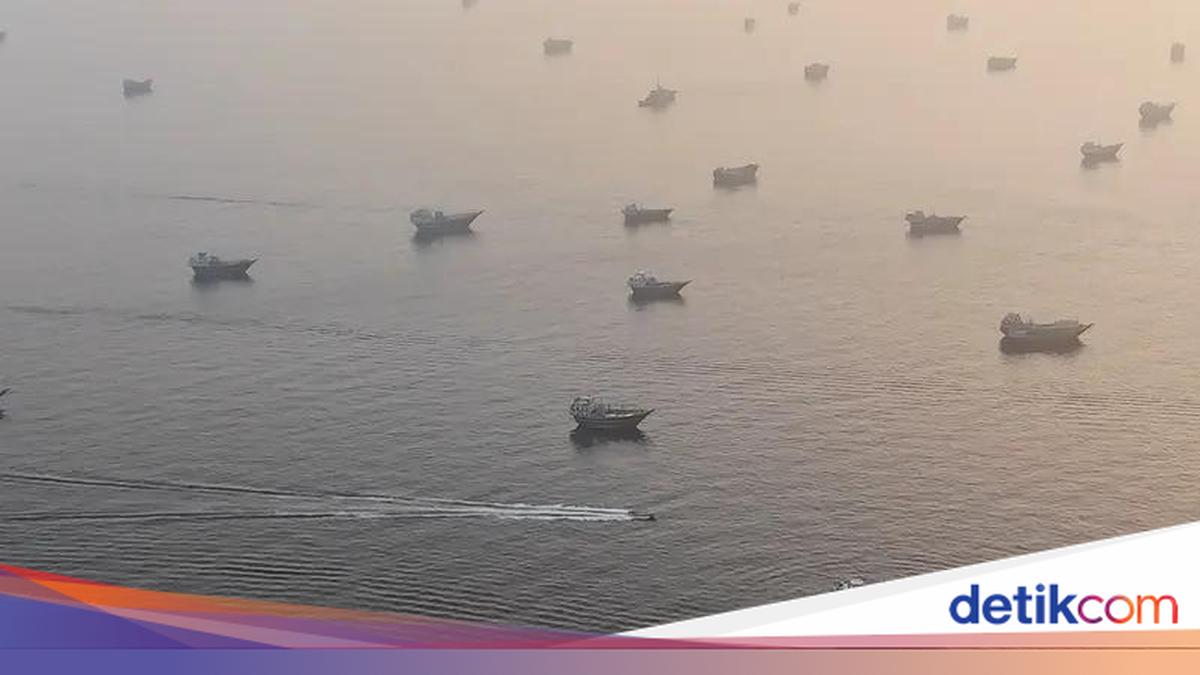
The reality on the ground, however, has proven highly complex, one issue being the Strait of Hormuz, a strategic shipping lane for oil tankers from Gulf nations to world markets. Since the war began, Iran has closed the strait and used it as an asymmetric weapon to force the US to halt its attacks and come to the negotiating table. The closure has caused world oil prices to surge and triggered economic crises in a number of countries.
The Strait of Hormuz stretches 161 km, separating Iran to the north and Oman to the south, and connects the Persian Gulf with the Gulf of Oman. The strait’s narrowest point is 33 km wide, between Qeshm Island (Iran) and the Musandam Peninsula in Omani territory.
In this narrow area, Iran and Oman share overlapping territorial waters, because under international law (UNCLOS 82) the width of territorial sea limits is 12 nautical miles (about 22 km). It is at this point that Iran feels it holds sway over those territorial waters, even though the right of transit passage applies there under UNCLOS 82: vessels may pass expeditiously and must not be impeded.
The problem is that Iran, sensing the potency of its ‘strait weapon’, has sought to bring the Strait of Hormuz entirely under its control. The country has issued a number of rules, including determining which vessels may transit. Iran has also laid mines, which are extremely dangerous to navigational safety.
Not content with that, Iran has prescribed routes that must be followed, namely through a corridor close to the Iranian coast. Every vessel is required to report its cargo, destination and owner. Iran even plans to levy transit fees on every passing ship.
These various provisions are inconsistent with UNCLOS 82. Iran is a signatory to UNCLOS but has not ratified it. That is why Iran feels no obligation to comply with the convention’s various provisions. Iran makes its own rules, including blockading the strait. In fact, Iran is not the only party to have closed the Strait of Hormuz, as the US has done something similar: blockading the strait for vessels sailing from and to Iranian ports. Both the American and Iranian blockades were only lifted because they formed one of the 14 points of the MoU.
No blockade permitted
In truth, UNCLOS does not permit the blockade of territorial waters that have the status of an international strait, such as the Strait of Hormuz or the Strait of Malacca. There, the principle of transit passage applies, as regulated in Articles 37 to 44 of UNCLOS 82. Under those provisions, every vessel and aircraft may pass continuously (without stopping) and without impediment.
The coastal state is permitted to regulate shipping navigation so that it proceeds safely, and has the right to protect the marine environment, but may not require transit permits, let alone charge fees from passing vessels.
The various dynamics surrounding the Strait of Hormuz have become one of the causes of the fragility of the Iran-US ceasefire. Iran maintains it has the right to regulate shipping traffic based on the MoU that has been signed. Iran has not hesitated to take harsh action against merchant vessels that disobey its orders, as occurred with Singaporean and Cypriot ships.
As a result, the US has been provoked into launching fresh attacks on Iran. In the past week, the US military has carried out air strikes on various targets in Iran, including bombarding the railway linking Iran with China and Russia.
US President Donald Trump even threatened to ‘obliterate Iran from the face of the earth’.
Iran retaliated by attacking US military bases in Bahrain, Kuwait and Jordan, as well as the Port of Duqm in Oman, which serves US military logistics. Iran also closed the Strait of Hormuz in response to the US resuming its attacks on Iran.
Given the reality of mutual attacks between the US and Iran, what then is the fate of the MoU that underpins the ceasefire until August? Iranian President Masoud Pezeshkian said his country will continue to uphold the MoU as long as the US does likewise.
‘This understanding is a matter of reciprocity. If the American side remains committed to the memorandum of understanding, we will also honour our commitment,’ Pezeshkian said in a post on X.
Given the conditions on the ground today, the US-Iran conflict appears far from over. Yet the world has placed great hope in ending the conflict through a peace pact, so that the Strait of Hormuz can once again be navigated safely and the global distribution of oil returns to stability.
The lesson for Indonesia from the US-Iran conflict, particularly regarding the problems in the Strait of Hormuz, is the importance of safeguarding the strategic straits in Indonesian waters and the three Indonesian Archipelagic Sea Lanes (ALKI) so that they remain secure and free from interference by foreign powers. Strategic straits that hold international strait status should rightly be navigated safely and freely by vessels of all nations, and without transit fees.
Source: jawawa.id (https://jawawa.id/newsitem/strait-of-hormuz-and-the-fragility-of-the-us-iran-ceasefire-understanding-1784026457)
Originally published by detikcom (https://news.detik.com/kolom/d-8573844/selat-hormuz-dan-rapuhnya-kesepahaman-gencatan-senjata-as-iran), translated from Indonesian