
Strait of Hormuz and Bab el-Mandeb: Iran's Economic Weapons Against the US
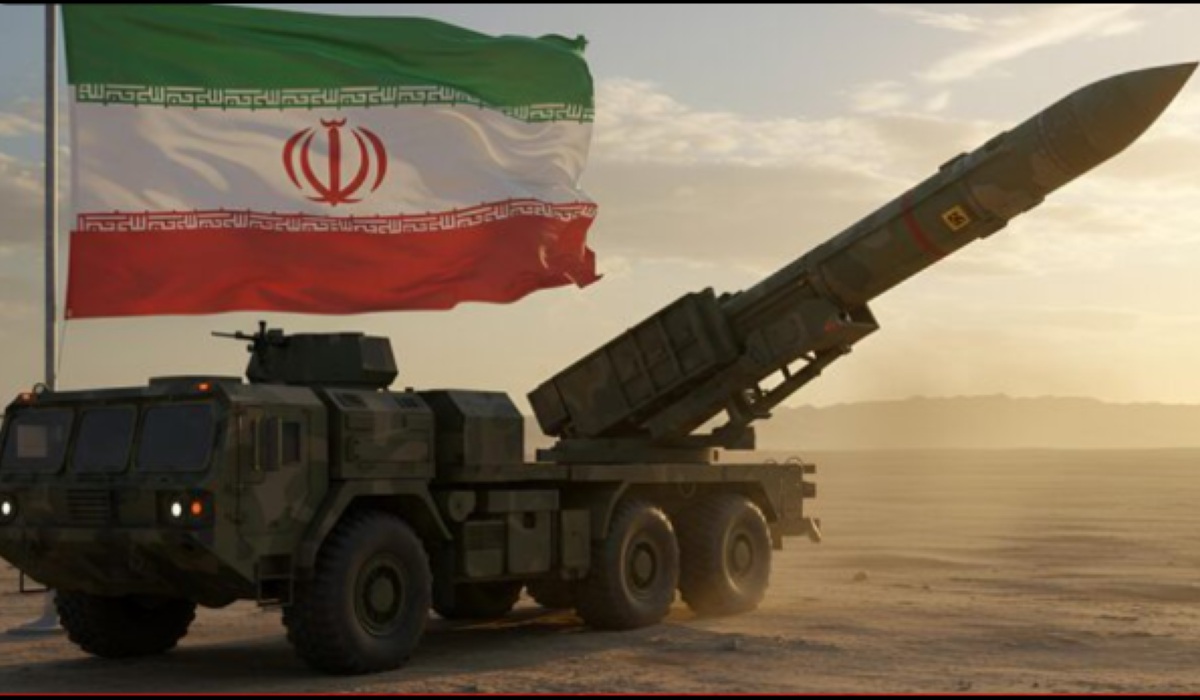
Iranian leaders have drawn a fundamental lesson from their confrontation with the United States: the West is heavily dependent on oil, and Iran occupies a strategic position controlling its distribution routes. This calculation is now driving Tehran’s preparations as the ceasefire collapses into open conflict. After the US struck 90 targets overnight, killing more than a dozen people, Iran launched retaliatory missile and drone attacks on American bases in Kuwait and Bahrain, describing it as the first phase of a punitive response against ‘promise-breakers’. Having weathered two waves of American and Israeli bombing, Iran’s leadership has concluded that its most powerful weapon is not conventional military force, but geography. They are now formulating plans to close two of the world’s most critical maritime chokepoints to halt global oil supplies.
This strategic shift has been exacerbated by leaked US intelligence indicating that Saudi Arabia and the UAE secretly participated in the strikes against Iran earlier this year. For Tehran, this transforms neighbouring states from bystanders into legitimate targets, especially as their oil infrastructure lies within range of Iranian missiles. Ebrahim Azizi, Chairman of the Iranian Parliament’s National Security and Foreign Policy Committee, warned that any American miscalculation would be met with a devastating and painful response. According to a doctrine published by the Fars news agency, affiliated with the Revolutionary Guard, four strategic steps have been prepared. The first involves halting all oil exports through the Strait of Hormuz by attacking tankers and deploying sea mines, alongside targeting neighbouring production and refining infrastructure so severely that it cannot be rebuilt for years. This is considered Iran’s strongest leverage, as no air defence system can prevent the resulting impact on the global economy.
The second plan is to dominate the Bab el-Mandeb Strait, the chokepoint between the Red Sea and the Gulf of Aden. By controlling both Hormuz and Bab el-Mandeb simultaneously, Iran would effectively hold the main arteries connecting Europe, the Middle East, and Asia. Operations in Bab el-Mandeb would likely be carried out through Houthi allies in Yemen. Iran is also implementing a cost-imposition strategy through asymmetric attacks designed to inflict heavy casualties on US forces, aiming not for military victory but to make the cost of staying in the region higher than the cost of leaving, similar to the attrition strategy used in Iraq. Military analysts are urging Tehran to maximise strategic ambiguity by setting extreme red lines, forcing opposing analysts to reassess the new boundaries of Iranian deterrence. Behind these threats, Iran still possesses the region’s largest ballistic missile arsenal, including solid-fuel Kheibar Shekan missiles and hypersonic Fattah missiles, as well as a fleet of Shahed drones. Its air defence systems are also being continuously rebuilt using domestic Bavar-373 systems and Russian-supplied S-300s. Officials state that war preparations are being intensified with dispersion tactics—spreading out missiles and evacuating bases—to ensure a surprise attack cannot completely paralyse their command. ‘America only understands the language of force,’ one Iranian official said, ‘so they must be spoken to in the same language.’
Source: jawawa.id (https://jawawa.id/newsitem/strait-of-hormuz-and-bab-el-mandeb-irans-economic-weapons-against-the-us-1783680665)
Originally published by Media Indonesia (https://mediaindonesia.com/internasional/909601/selat-hormuz-dan-bab-el-mandeb-senjata-ekonomi-iran-lawan-as), translated from Indonesian