
Strained Since Assad's Fall: Will Syria and Iran Reconnect?
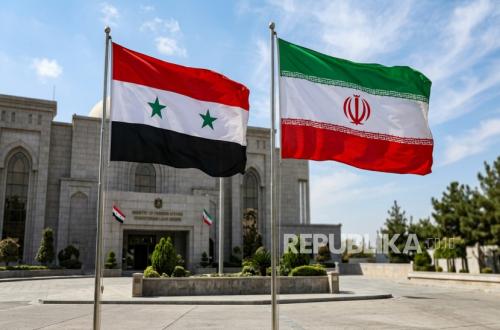
The impact of the fall of Syrian President Bashar al-Assad’s regime in late 2024 extends beyond Syria’s domestic political situation. This event has also brought significant changes to the country’s regional and international standing, while simultaneously ending the close relationship between Iran and Syria that had been maintained since the success of the Iranian Revolution in 1979.
Relations between Syria and Iran have entered a phase of total disconnection following Assad’s downfall. The new Syrian government has also shown no leniency towards Tehran, unlike the approach taken towards Russia, which had previously supported the Assad regime.
Syrian-Iranian relations flourished from 1979 onwards. Under the administration of President Hafez al-Assad, Syria was the first Arab nation to recognise the new Iranian government following the Iranian Revolution, and was only the third country in the world to do so, after the Soviet Union and Pakistan.
Hafez al-Assad sided with Iran during the eight-year war against Iraq. In 1982, he also closed the Kirkuk-Banias oil pipeline.
For Iran, Syria represented a vital link in building its regional influence. Through Syria, Tehran expanded its reach into Lebanon and supported the formation of Hezbollah, with Syria playing a crucial role in providing support to the group.