
Stories of Civil Servants Living in IKN: Unexpected Reflections
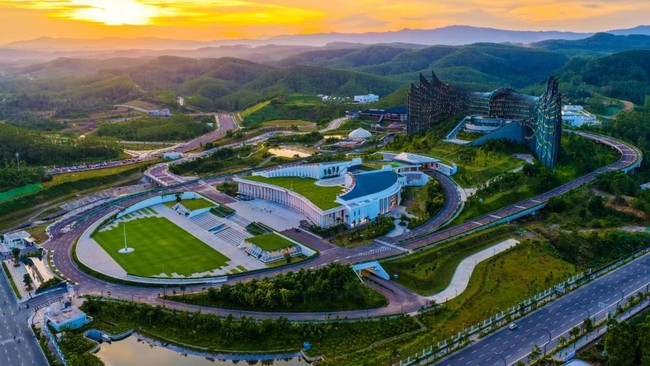
By 5:00 pm, traffic within the Government Core Area (KIPP) of Nusantara begins to thin. At a bus stop in front of the Nusantara Capital City Authority (IKN) office, several employees can be seen walking leisurely, waiting for the free intra-city bus to take them to their residences. There are no more hours-long commutes; the journey now takes a mere 10 minutes.
For Mirfa, a civil servant from the IKN Authority who has resided in Nusantara for one year, the most noticeable change is not just the proximity of the office, but a shift in the rhythm of life. “In the past, I felt exhausted after work due to the long commute. Now, after finishing work, I still have time for jogging or badminton practice. It feels as though the day hasn’t truly ended once office hours are over,” she remarked.
Similar sentiments are shared by many workers from various agencies and the business sector currently living in the Nusantara area. The availability of housing, green open spaces, sports facilities, healthcare services, and culinary centres is beginning to shape a new way of life that brings residential and working areas closer together. This concept aligns with the ‘liveable city’ approach, which places the quality of life of the community at the heart of urban development.
The urban concept, which connects housing, offices, commercial areas, and public facilities, allows many activities to be performed without relying on vehicles. Interconnected pedestrian and cycling paths make it easy for residents to move from one place to another comfortably.
For some, the change might seem to be merely about shorter travel times. However, for those experiencing it daily, a ten-minute commute means reclaimed time. Time previously lost in traffic congestion has been transformed into opportunities for evening runs, joining gardening communities, cycling with friends, or enjoying better quality time with family and open spaces before sunset.
On weekends, Mirfa often takes her family for walks to enjoy the open spaces around the area. For her, a city is not just a place to earn a living, but a place to build a life. “I hope that in the future, even more complete facilities will be available. Currently, the pedestrian paths are becoming more connected, making evening walks very comfortable. I love enjoying the twilight behind the Garuda Palace while breathing the clean evening air in IKN. I am very happy,” she said while watching her child play.
Nusantara continues to grow. New roads are being constructed, public services are being enhanced, and economic activities are expanding. Behind the physical development, the daily lifestyles of the residents are gradually changing, marked not only by the standing infrastructure but also by the presence of higher-quality time, easier access, fresh air, and the hope for an improved standard of living.