
Stop Scrolling, Start Journaling: Encouraging Teenagers to Use Social Media Wisely
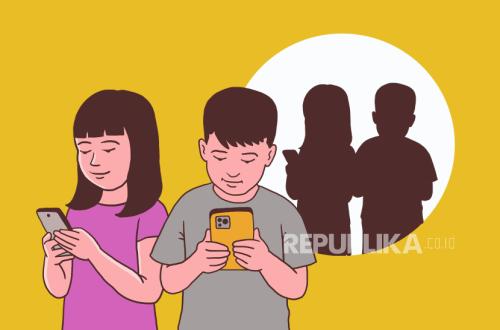
Adolescence is said to be the most beautiful time in a person’s life, when life revolves around play, study, sport, the arts and trying new things in preparation for adulthood. Yet technology—gadgets in particular—is now disrupting that journey. Gadgets can be both a blessing and a misfortune: they can make life easier or more complicated. For teenagers, however, gadgets and social media are more likely to interfere with a healthy life than to deliver benefits.
Governments around the world have confirmed this concern. About 18 countries have officially passed, implemented or drafted strict laws and policies to restrict or prohibit children and teenagers from using social media. These measures are driven by concerns about mental health, cyberbullying, gadget addiction and children’s personal data security.
Australia has led the way by approving a total ban on social media accounts for children under 16, due to take effect in December 2025. Indonesia is the first non-Western country to restrict social media access for under-16s, effective from 28 March 2026. The restriction is set out in Government Regulation No. 17 of 2025 on the Governance of Electronic Systems for Child Protection (PP Tunas), reinforced by Minister of Communication and Digital Affairs Regulation No. 9 of 2026.
To support this policy and strengthen teenagers’ digital literacy in the Thousand Islands—particularly on Pulau Harapan—a University of Indonesia Faculty of Law community service team provided educational sessions for pupils at State Junior High School 260 Jakarta (SMPN 260 Jakarta) on Thursday, 1 October 2026. The team was led by Dr Akhmad Budi Cahyono, S.H., M.H., and included Prof Heru Susetyo, S.H., LL.M., M.Si., M.Ag., Ph.D., Endah Lilik Wulandari, Nurrobby Fatih, Najma Izzatul Haq, Fathur Rahman, Najwa Aslami and Annisa Nurwulan. The programme was titled “Beyond the Screen: Education and Strengthening Digital Detox for Junior High School Children on Pulau Harapan”.
The programme addressed awareness of technology use and ways to reduce screen time. Pupils were encouraged to understand the effects of excessive gadget use and introduced to a range of activities they could pursue instead.
“We have to guide and support the younger generation in using their phones so that they do not overuse them,” said Hajjah Tohibah, deputy head of curriculum at SMPN 260 Jakarta.
The programme used a self-awareness approach, focusing on each pupil’s understanding of their digital habits. This awareness is intended to help pupils begin evaluating and managing their gadget use more wisely.
“Instilling values must begin with self-awareness of the importance of digital knowledge,” said Abdul Hafiz, secretary of the Pulau Harapan urban village.
One element of this approach was journaling. Pupils were asked to record and reflect on their daily activities and ambitions. Though simple, regular journaling can help them become more aware of how they spend their time and provide a basis for self-assessment.
The team introduced the concept of journaling and explained what could be written down. Journaling, they said, can be used not only to record daily events but also to express thoughts, feelings and matters that each pupil considers important. Pupils were free to write about their experiences and anything else they valued.
To help pupils practise, the team provided each of them with a dedicated workbook. Its sections covered aspects of everyday life, including the self, school and friendships, emotions and feelings, and future dreams and hopes. The pupils’ enthusiasm was evident in their active participation and willingness to explore their thoughts and feelings in writing.
Throughout the session, pupils showed keen interest in the journaling exercises, filling their books with reflections on themselves and their experiences.
“I’ve learnt a lot about mime on the internet and tried practising it,” one pupil said.
This experience shows that digital technology should not always be viewed negatively. The internet can also help pupils gain knowledge, discover interests and develop skills. Digital detox, therefore, is not simply about keeping pupils away from technology; it is about developing their ability to use it in a balanced and productive way.
As well as introducing journaling, the team set up a Reading Corner. Designed as a simple literacy space at SMPN 260 Jakarta, it offers pupils a non-digital activity to choose in their free time.
The programme also appointed two Digital Wisdom Ambassadors, Muhammad Risky Pratama and Natasya Aranda. They will serve as peer educators, encouraging classmates to take part in physical activities and reflect on their gadget-use habits. “As Digital Wisdom Ambassadors, we will continue helping our friends make good use of the internet,” the two pupils said.
One ambassador’s personal experience also highlighted the importance of managing gadget use. Natasya said that spending too long on her device had once affected her academic performance. After trying to limit her screen time, she was able to focus more on other activities and achieved academic success.
“When I was addicted to using my gadget for up to 10 hours a day, my results fell sharply. In the end, I tried limiting my gadget use and managed to qualify for the provincial-level National Science Olympiad,” Natasya said.
The programme aims to help SMPN 260 Jakarta pupils understand the importance of reducing screen time and become more aware of how to manage gadget use wisely. Pupils also need space to recognise their own habits and find alternatives to using their devices. Through journaling, the Reading Corner and the Digital Wisdom Ambassadors, the programme is intended as a first step towards healthier digital habits at the school.
Source: jawawa.id (https://jawawa.id/newsitem/stop-scrolling-start-journaling-encouraging-teenagers-to-use-social-media-wisely-1791978657)
Originally published by Republika (https://opini.republika.co.id/berita/tmw8mo483/stop-scrolling-start-journaling-ajak-remaja-bijak-bermedia-sosial), translated from Indonesian