
Stop Deceiving the Public: Why Lunar Art Must Be More Realistic in the Artemis Era
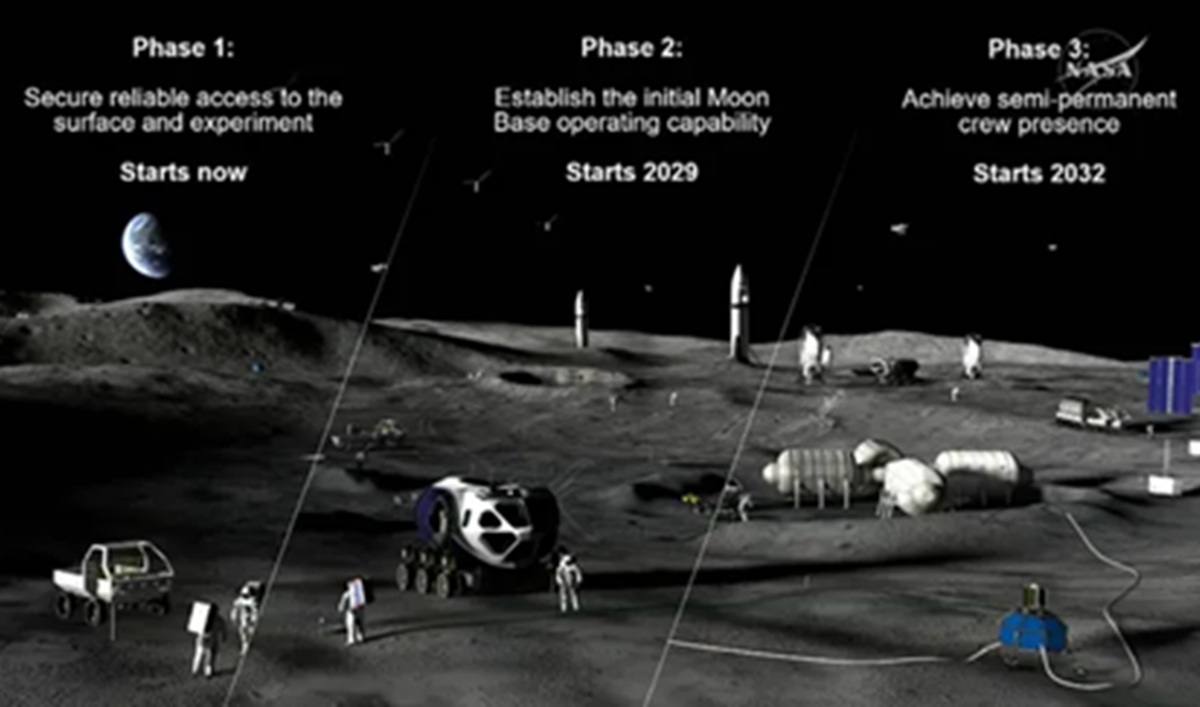
As humanity prepares to set foot on the Moon once again through NASA’s Artemis programme, a significant call has emerged from the scientific community. Artists, animators, and digital content creators are being urged to represent the Moon more accurately and realistically to avoid spreading misinformation to the public.
This appeal was made by Michael J.S. Belton, a senior astronomer, in an essay presented at a meeting of the American Astronomical Society. According to Belton, overly dramatic and inaccurate space art can build false public expectations about the actual conditions of the lunar environment.
‘Let’s not deceive the public,’ Belton stated in his essay. ‘Lunar-themed art must reflect the physical reality of the world we are exploring, especially now as we prepare to send humans back there.’
For years, popular art has often depicted the Moon with extreme landscapes. Craters are shown with sheer, vertical walls, and mountains appear sharply pointed, jutting into the black sky against a surface of exaggerated colour contrasts. In reality, thanks to observations from modern spacecraft, we know the lunar landscape is far smoother. Billions of years of micrometeorite impacts have caused gradual erosion, or cosmic weathering, meaning crater walls are typically gentle slopes and mountain peaks are rounded, resembling ancient hills on Earth.
Belton stressed that this demand for accuracy is not intended to stifle artistic creativity. Rather, it is a form of moral responsibility in public education. When science and art walk hand-in-hand with precision, the public can better understand the real challenges Artemis astronauts will face, such as the sharp, abrasive lunar regolith dust and the extreme lighting conditions at the lunar south pole.
‘Art has a tremendous power to inspire,’ Belton added. ‘But inspiration built on a faulty foundation will crumble when the public sees real photos and videos from the lunar surface and realises the reality is nothing like the fiction.’
In the modern era, artificial intelligence and graphic design software make it easy for anyone to create space visuals. Consequently, Belton hopes that space agencies, educational institutions, and professional artists will establish new, higher standards for producing space-themed visual content. By presenting honest illustrations of the Moon that align with the latest scientific data, the creative industry can not only help ensure the success of public communications for the Artemis mission but also honour the Moon’s natural beauty as it truly is: a quiet, grey, silent world brimming with scientific potential waiting to be uncovered.