
Stocks Secure, Pupuk Indonesia: We Export When Domestic Needs Are Met
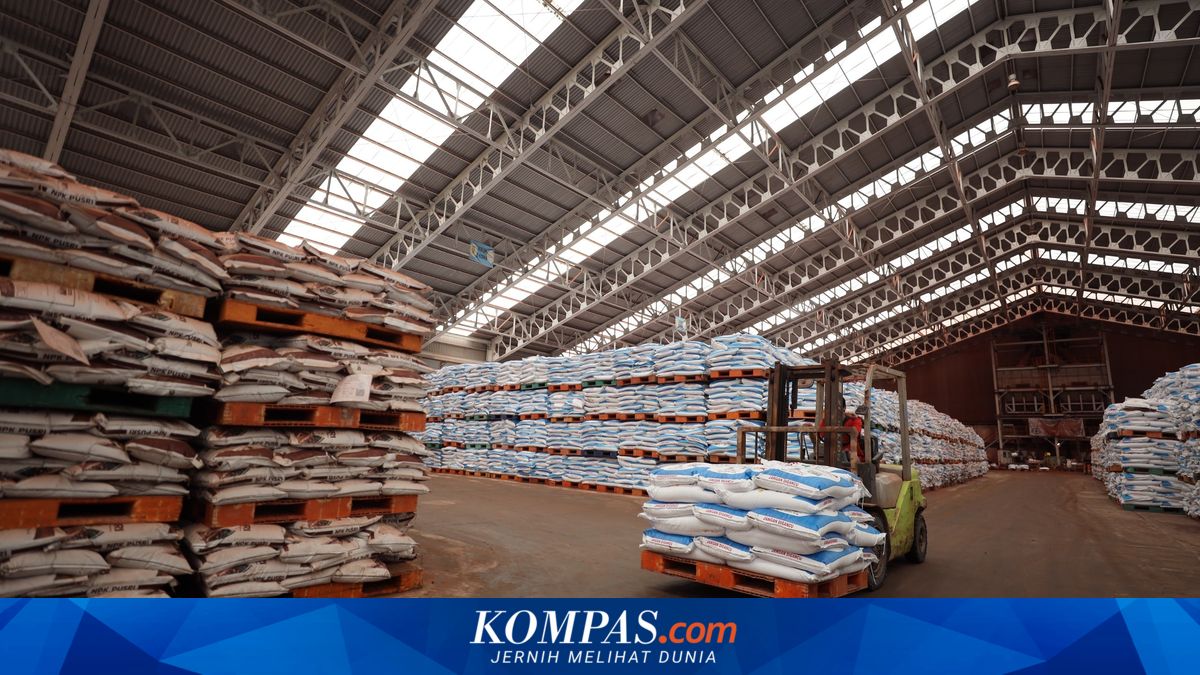
JAKARTA, KOMPAS.com - PT Pupuk Indonesia (Persero) has ensured readiness in supply and production to support the government’s plans to capitalise on opportunities for exporting urea fertiliser to global markets. This step is taken while prioritising the fulfilment of domestic fertiliser needs as the primary focus. Pupuk Indonesia’s President Director, Rahmad Pribadi, stated that amid global geopolitical dynamics, the company possesses a strong supply resilience, particularly for the urea commodity. “The directive from the Ministry of Agriculture through the Deputy Minister is very clear. We export when domestic needs are sufficient,” said Rahmad in a written statement on Saturday (18/4/2026). These global dynamics actually open up space for Indonesia to play a larger role through exports, while strengthening contributions to the national economy and regional food security. “Amid global turmoil, many people always think we are certainly vulnerable. But it turns out that in the fertiliser industry sector, we are not vulnerable; instead, we can take a position as one of the saviours of the regional food ecosystem. Because we can help countries that need fertiliser,” Rahmad remarked. Nevertheless, Rahmad noted that this export plan will not disrupt domestic fertiliser needs by considering the planting seasons. Pupuk Indonesia only carries out exports based on official government assignments and after ensuring the availability of fertiliser for farmers is secure during the planting season. “Well, we won’t possibly export during the planting season. That’s clear, and the Indian Ambassador has agreed that we export outside the planting season,” Rahmad said. For the record, Pupuk Indonesia has an annual urea production capacity of 9.4 million tonnes, higher than the domestic requirement of around 6-7 million tonnes per year. This capacity is supported by the availability of the main raw material, natural gas, which is guaranteed by the government in terms of both volume and price. That production capacity also supports the availability of fertiliser stocks, which as of 14 April 2026, reached approximately 1.2 million tonnes, both subsidised and non-subsidised. These stocks will continue to be strengthened by daily production running optimally. “Currently (our stock) is 1.2 million tonnes. So 1.2 million tonnes plus our daily production for urea alone of about 25,000 tonnes per day. Plus for NPK, it’s around 15,000 tonnes per day. So it’s more than sufficient,” said Rahmad.