
Stirring Conservation Awareness Behind the Tapir Tragedy in Mesuji
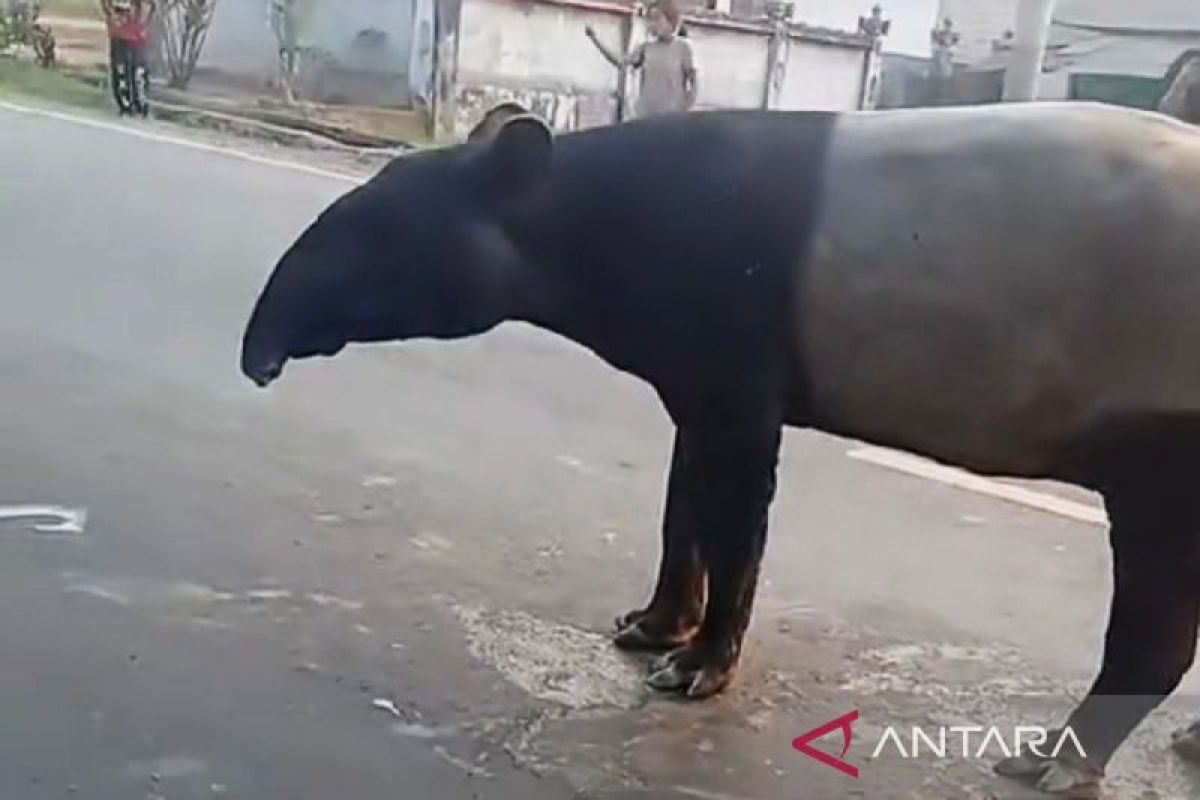
A Sumatran tapir (Tapirus indicus) that had been rescued and guided back to its habitat in the Register 45 Forest in Mesuji, Lampung, ultimately lost its life. The rare animal was killed and consumed by several local residents. The incident, which occurred on Thursday (2/7), is not merely a legal violation against a protected species, but a reflection of the still-fragile conservation awareness within society. Ironically, what was lost was not just a tapir. Along with it, an important link that has sustained the existence of Sumatra’s tropical forests for thousands of years is now threatened. With an estimated population of only around 400 to 500 individuals remaining in the wild, the loss of a single animal further narrows the species’ chances of survival. Tapirus indicus is not just a forest dweller. This herbivorous animal, which eats various plants and fruits, is one of the guardians of the tropical forest. With every step it takes through the jungle, the tapir disperses seeds through its droppings, helping to regenerate vegetation and maintain the ecosystem’s balance. Due to its significant ecological role, the tapir is often referred to as a natural seed disperser that forms the foundation for the regrowth of tropical forests. The tapir is also known as a shy, solitary, nocturnal animal that always avoids humans. Its trunk-like snout and the black and white pattern on its body are easily recognisable characteristics. According to data from the Ministry of Forestry, Sumatra’s forests, which stretch across approximately 22.6 million hectares, remain one of the tapir’s main habitats. However, the animal’s living space continues to shrink due to various human activities. In Lampung Province, data from the Bengkulu-Lampung Natural Resources Conservation Agency (BKSDA) even indicates that the population no longer reaches hundreds of individuals. The Mesuji incident is a blow to conservation efforts that have been built through collaboration between the government, academics, civil society organisations, and the private sector to protect Indonesia’s biodiversity. The tapir, which had previously been rescued and guided back to the Register 45 Forest—one of the species’ remaining habitats according to the Bengkulu-Lampung BKSDA’s identification—was ultimately killed and consumed.