
Still a Favourite: Efficient Coal Use to Sustain Long-Term Consumption
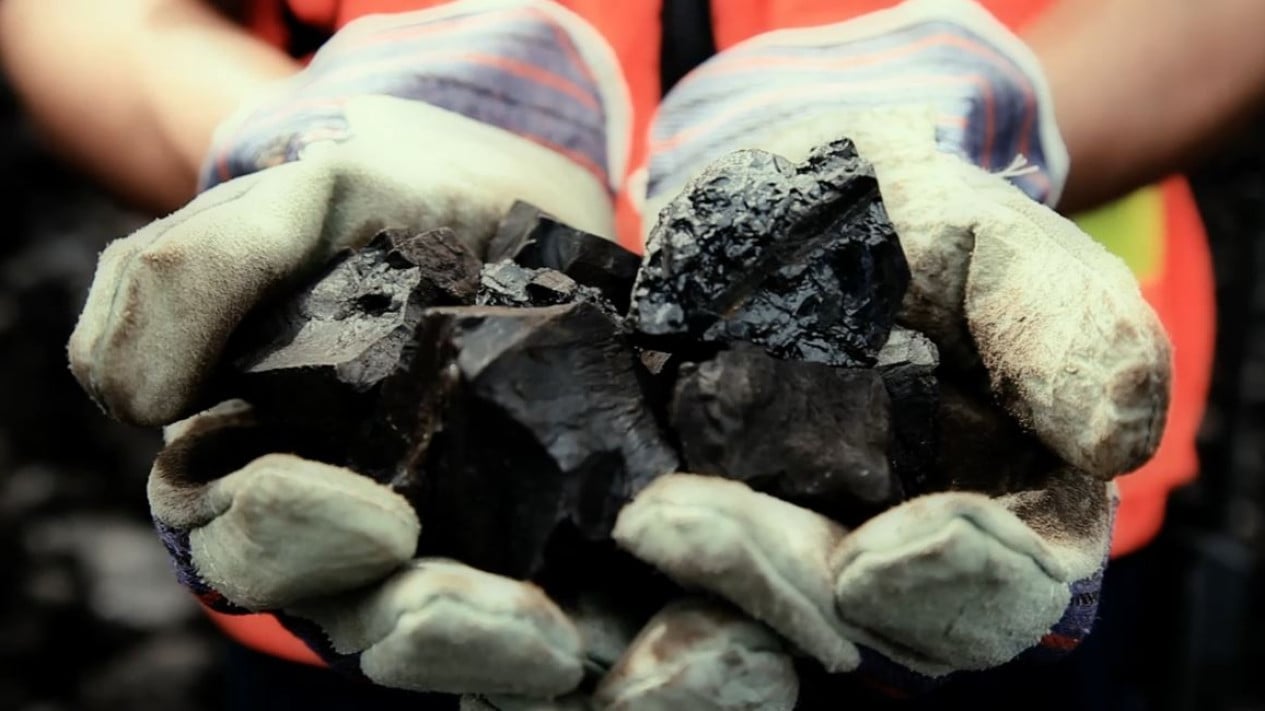
Coal plays an important role in driving national economic growth. As one of the world’s largest coal-producing countries, Indonesia has coal resources of 97.96 billion tonnes and reserves of around 31.9 billion tonnes, according to data from the Ministry of Energy and Mineral Resources (ESDM).
Efficient use of coal can support long-term consumption of the commodity. There are clear reasons why coal is used as fuel for the country’s power plants.
Its abundant supply keeps coal relatively affordable, helping to safeguard people’s purchasing power.
Coal use can also support the growth of domestic industry. Some sectors, including textiles, cement, and food and beverages, rely heavily on low-cost electricity. If electricity tariffs surge as a result of a large-scale shift to more expensive energy sources, industries will pass those costs on through higher prices for finished goods.
Indonesia ranks fourth in the world among coal-consuming countries, with total consumption of 5.15 exajoules (EJ), according to the Statistical Review of World Energy.
Making coal a long-term national energy source will require adjustments to begin as early as possible. It can no longer be used only as a raw material; it needs to be given added value through downstream processing, support for clean technology and product diversification.
“Coal still has an important role in meeting national energy needs. The challenge is how to use this commodity more efficiently and generate added value,” said Ivan Victor Salim, commissioner of PT Andalan Artha Primanusa.
Downstream processing and value addition could involve converting coal into liquid fuel through coal-to-liquid (CTL) technology. This process turns low-calorie coal into fuel oil or synthetic diesel, with the aim of reducing dependence on energy imports.
Another option is coal gasification, which converts coal into syngas that can be further processed into dimethyl ether (DME). DME can be used as a substitute for liquefied petroleum gas (LPG), as well as to produce methanol and ammonia for fertiliser, and as a feedstock for the petrochemical industry.