
Steps to prevent respiratory problems during the dry season
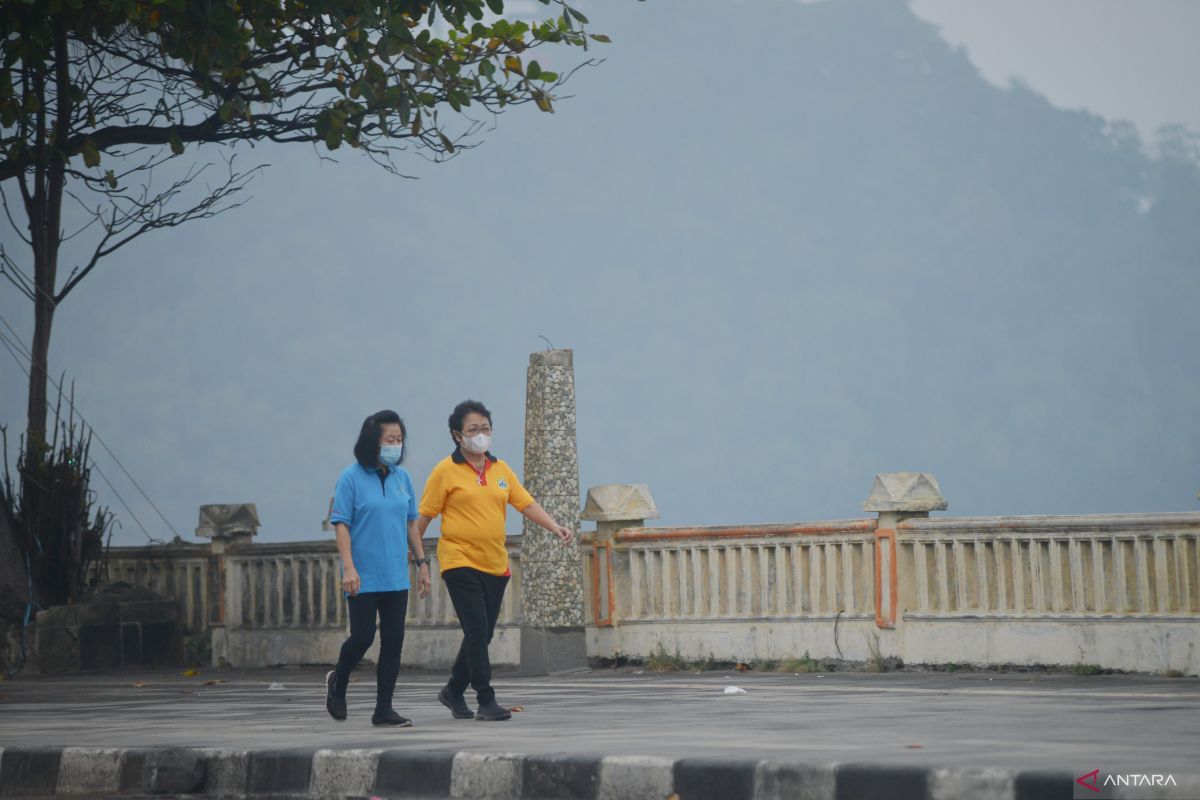
Jakarta (ANTARA) - Health expert Prof. Dr. R. Budi Haryanto, S.K.M., M.Kes., M.Sc. has said that respiratory diseases often emerge during the dry season, partly because air pollution has the potential to increase during that period.
The professor from the Department of Environmental Health, Faculty of Public Health, University of Indonesia, said that dust and other air pollutants can cause irritation of the respiratory tract if inhaled.
When contacted by ANTARA from Jakarta on Thursday, Prof. Budi said that air pollution also increases the chance of viruses and bacteria that cause infection entering the respiratory tract.
According to him, exposure to air pollution can cause various kinds of respiratory problems, not only acute respiratory infections (ISPA).
“Respiratory tract problems due to that cover everything, not only ISPA. All kinds of reactions when exposed in the short term, in the near term,” he said.
He said that symptoms of respiratory tract problems can include coughing, runny nose, throat irritation, and nasal congestion.
“If the complaints are more severe, for example eventually becoming short of breath, breathing becomes heavy, then chest pain, heart palpitations, and other things, or quickly feeling dizzy. When exposed in the short term, that is considered more dangerous,” he explained.
Individuals experiencing such severe respiratory symptoms, according to him, must be taken to a doctor immediately so they can receive the necessary treatment.
According to him, individual protective measures that can be taken include wearing a mask and monitoring air quality in order to avoid exposure to air pollution.
In addition, he recommended efforts to reduce the entry of pollutants into the home as well as the use of air conditioning or air purifiers.
Similar steps can be implemented in office environments to minimise the entry of pollutants into workspaces.
“Of course the body’s immune system must also be improved with vitamin-rich, fibre-rich foods so that the immune system is good,” he said.
The causes of air pollution in urban areas, such as the use of fossil-fuel vehicles, must also be reduced, among other things by providing adequate public transport facilities and encouraging the use of more environmentally friendly vehicles.
“Motor vehicles and so on also contribute a lot, more than 50 percent of air pollution in urban areas. So for protection, the people are protected, then the sources of pollution are controlled,” said Prof. Budi.
Meanwhile, air pollution from industrial activities can be reduced by encouraging the application of more environmentally friendly and low-emission approaches at every stage of the production process.