
Step Aside Everyone! In This Area, China Has No Rivals in the World
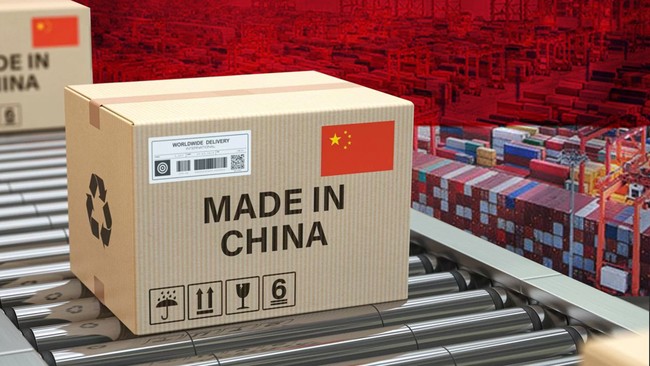
Global trade is currently dominated by a handful of major exporting countries, but the scale differences between nations are stark. China exported nearly US$3.8 trillion worth of goods in 2025, maintaining a significant lead over the United States and other countries. Meanwhile, Europe collectively contributes a large share of world exports, and small trading hubs like the Netherlands and the United Arab Emirates (UAE) continue to perform far above their economic size. China’s exports, valued at US$3.772 trillion, are almost twice the US exports, underscoring the country’s dominance in manufacturing and global trade. Since the gradual economic liberalisation in the late 1970s and 1980s, China has pursued an export-led growth model that has positioned it as the “world’s factory”. Currently, no country ships more goods abroad than China. China’s exports are driven by numerous free trade agreements, including those with Australia, Pakistan, South Korea, and the ASEAN bloc. As a result, China is now the largest trading partner for more than half of the world’s countries. Although known as the world’s largest import market, the US also exports more than US$2.2 trillion in diverse products such as cars, oil, soybeans, and medical goods. The US’s main trading partners are Canada, Mexico, China, Germany, and Japan. Many North American supply chains are also highly integrated. For example, car components can cross the US-Canada or US-Mexico borders 6-8 times before the vehicle is fully assembled. Gulf countries like Saudi Arabia (US$311 billion) and the UAE (US$707 billion) also perform strongly thanks to their hydrocarbon reserves. Oil products account for nearly 75% of Saudi Arabia’s exports and more than 50% of the UAE’s, far exceeding the less than 20% share in the US. However, high dependence on oil makes Gulf countries vulnerable to geopolitical tensions and supply chain disruptions in the Middle East, including ongoing conflicts involving Iran.