
Stem Cell Clinic Expands Global Network, Boosts Indonesia's Medical Tourism
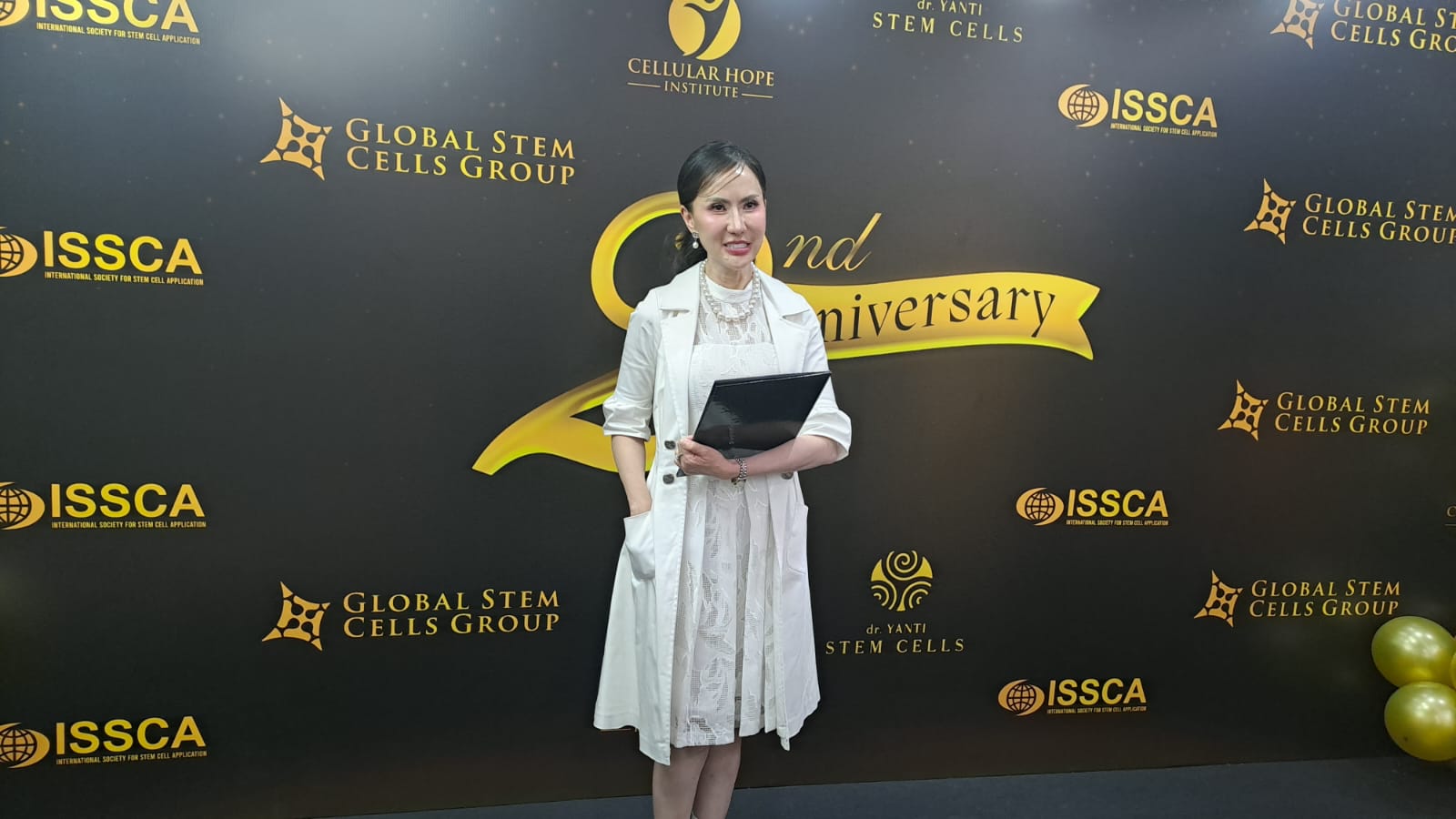
Celebrating two years of operations, Klinik dr. Yanti Stem Cell Mangkuluhur is committed to developing regenerative therapy services based on stem cells, biohacking, wellness, and aesthetics. Founder dr. Yanti Khusmiran stated during the anniversary event in Jakarta on Sunday (14/6) that the clinic is now growing not only in Indonesia but also internationally. She explained that over the past two years, the clinic has treated more than 100 patients with various health conditions, ranging from diabetes and stroke to heart disease, autoimmune disorders, and neurological conditions such as autism. “This two-year journey has proven the presence of Klinik dr. Yanti Stem Cell in Indonesia and it is now recognised internationally. We are the only clinic from Indonesia to have a branch in Dubai, United Arab Emirates, and in July 2026 we will open a new branch in Cancun, Mexico,” said dr. Yanti. She noted that this expansion is part of an effort to strengthen Indonesia’s position in the global healthcare industry while supporting the development of the medical tourism sector. “We want to help the government reduce foreign exchange outflows caused by citizens seeking treatment abroad, while also generating foreign exchange through medical tourism programmes being launched in Jakarta and Bali,” she added. During the occasion, the clinic’s management outlined seven strategic pillars for corporate development. These pillars include strengthening branding, positioning as part of an international stem cell therapy network through membership in ISSCA (International Society for Stem Cell Application), enhancing the reputation of internationally certified doctors, developing services based on patient demographics, boosting the appeal of medical tourism, improving patient experience, and implementing increasingly sophisticated and standardised therapy protocols. The clinic is a partner of the US-based Global Stem Cell Group and a member of ISSCA. Management stated that this international collaboration serves as the foundation for improving service quality and strengthening research and development activities to enhance patient outcomes. In her presentation, dr. Yanti revealed that type 2 diabetes has been the most frequently treated case over the past two years. She noted that diabetes is not only related to blood sugar levels but also causes damage to blood vessels, which in turn triggers complications in various vital organs. “The most common case we handle is diabetes. It is the root of many diseases because its complications can affect the brain, heart, kidneys, lungs, and even the eyes,” she said, adding that the clinic’s stem cell therapy focuses on repairing damaged tissues and organs rather than merely reducing disease symptoms. “We do not treat the symptoms, but the diseased organ. For diabetes, we repair the pancreas. If pancreatic function improves, insulin production will also improve,” she stated. According to dr. Yanti, patient recovery times vary depending on the degree of organ damage and complications experienced. “On average, improvements are seen within one to three months, but in chronic cases with complications, it may take more than a year,” she said. In addition to stem cell therapy, the clinic also introduced a biohacking programme as one of its latest service innovations. Dr. Yanti explained that biohacking is a biotechnological approach aimed at providing nutrition and support to cells, tissues, and organs experiencing functional decline. Through this approach, patients not only undergo regenerative therapy but also receive interventions to improve quality of life and encourage lifestyle changes. “Biohacking essentially provides nutrition to damaged cells so that organs can function more optimally again,” she explained. She noted that changes in modern lifestyles pose a major challenge in preventing degenerative diseases. She pointed out that many young people are now developing diabetes at age 30, and some even at age 21, with high-sugar diets and lack of physical activity being the main causes. During the second anniversary celebration, the clinic also introduced the Ultra Luxury Stem Cells Medical Tourism programme, an exclusive four-day package combining stem cell therapy, biohacking, anti-aging, longevity, and preventive medicine. The package includes medical consultations, biomarker examinations, luxury accommodation, medical assistance services, and VIP airport assistance. This programme is aimed at both domestic and international patients seeking healthcare services while enjoying a tourism experience in Indonesia. Concluding her presentation, dr. Yanti expressed hope that the government would provide greater support for the development of stem cell therapy in Indonesia. She believes regenerative technology will be an important part of the future of healthcare, particularly in addressing the increasing prevalence of degenerative diseases, and hopes the Ministry of Health will offer positive support for its development so that more Indonesians can benefit from it.