
Stella Encourages the Development of Globally Competitive, Research-Based Cities
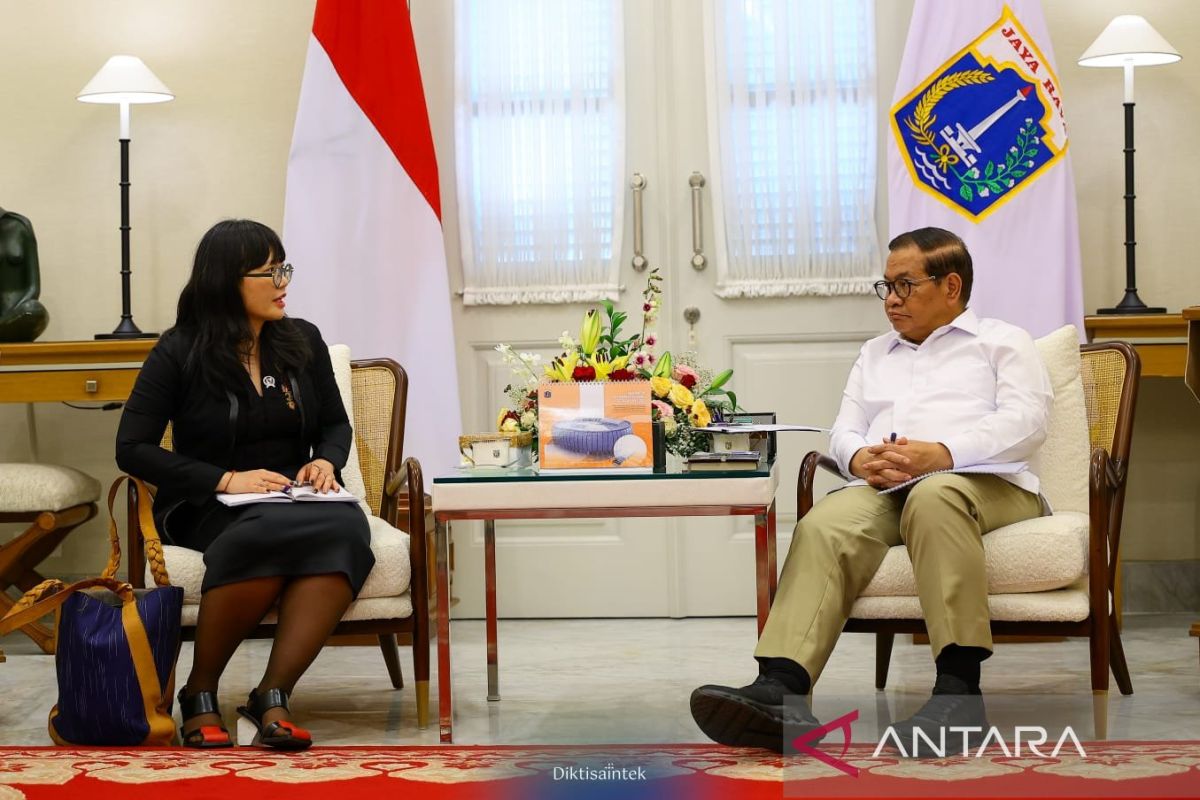
The development of international educational institutions needs to be supported by connectivity, accessibility, and the readiness of urban ecosystems that can support the mobility of students, academics, and global research collaborations.
Jakarta (ANTARA) - The Deputy Minister of Higher Education, Science, and Technology (Wamendiktisaintek), Stella Christie, is encouraging the development of globally competitive, research-based cities.
This emerged during a meeting between Wamendiktisaintek, the Governor of DKI Jakarta, Pramono Anung, the DKI Jakarta Regional Development Planning Agency (Bappeda), and representatives from Kearney Indonesia to discuss strengthening Jakarta as an international education hub, some time ago.
Wamen Stella stated in Jakarta on Saturday that Jakarta has strategic advantages for the development of international universities, especially in terms of infrastructure and market needs.
“I have conducted a lot of market analysis for international-standard universities, and Jakarta is still the best,” she said.
Stella believes that the development of international educational institutions needs to be supported by connectivity, accessibility, and the readiness of urban ecosystems that can support the mobility of students, academics, and global research collaborations.
She added that it is important to integrate higher education with the research and healthcare sectors, where strengthening medical research should be carried out as the foundation for developing international-standard healthcare services.
“If we look at good international hospitals wherever they are, there is always research behind them. So there is a center of research, and this is what we need to improve,” she said.
Meanwhile, the Governor of DKI Jakarta, Pramono Anung, said that his administration is ready to support the development of international campuses by providing facilities, facilitating cooperation, and utilizing regional government-owned assets.
He explained that several strategic areas can be alternatives for the development of international education centers, including areas that are being prepared as areas with more integrated transportation connectivity.
“We will help by providing facilities that can be provided by the DKI Jakarta Government or through cooperation in infrastructure or land owned by DKI Jakarta,” said Governor Pramono.