
Stella calls for scholarships to be designed to support national development
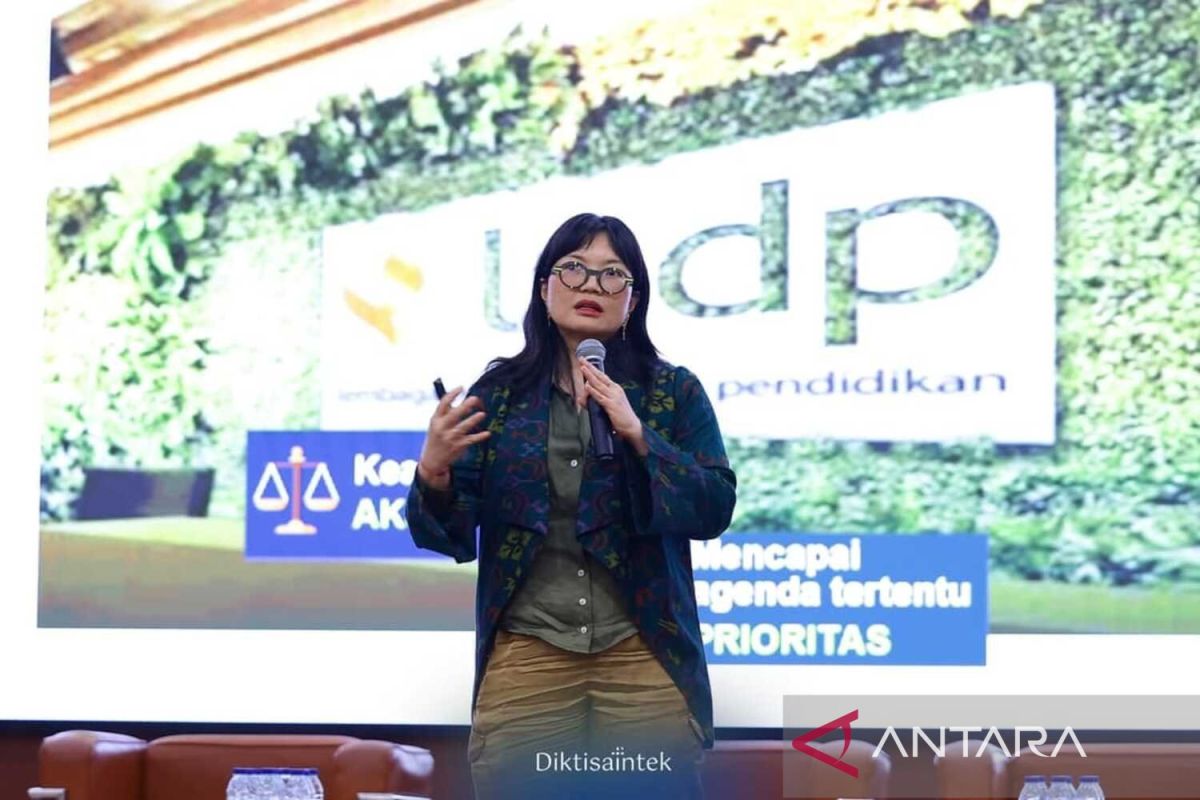
Jakarta (ANTARA) – Deputy Minister of Higher Education, Science and Technology Stella Christie has said scholarship programmes need to be designed around clear objectives so they can broaden access to education and prepare talent to meet development needs.
Developing a scholarship ecosystem, she said, should go beyond providing funding. It should link access to information and education with skills development and readiness to enter the workforce.
“Social justice means everyone must have access; everyone must be able to access it,” she said in a statement in Jakarta on Tuesday.
One measure taken by the Ministry of Higher Education, Science and Technology is to adjust the distribution mechanism for KIP Kuliah, the government’s higher education assistance programme, so that more prospective students from low-income families can pursue higher education.
Alongside funding, Stella said, another challenge is ensuring the public knows about the scholarship opportunities available. To address this, the ministry is developing the SatuBeasiswa portal, which brings scholarship providers and prospective applicants together on one platform.
She stressed that talent development does not end when someone receives a scholarship or completes their education.
“The scholarship ecosystem needs to include guidance, mentoring, skills development, practical experience and links to the world of work. This would allow scholarships to contribute more broadly to productivity, innovation and national development,” Stella said.
That view is shared by Fasli Jalal, chair of the Honorary Council of the Indonesian Scholarship Network Association (AJBI), who said scholarships should be seen as a long-term investment in human development.
Scholarships, he said, are a highly strategic investment in human development and the nation’s future.
“When a child gets the opportunity to continue their education, we are not only changing the fortunes of one individual; we are opening up the possibility of social mobility for them, their family and community, and even future generations,” Fasli said.