
Steel Industry Utilises EAF Technology to Reduce Carbon Emissions
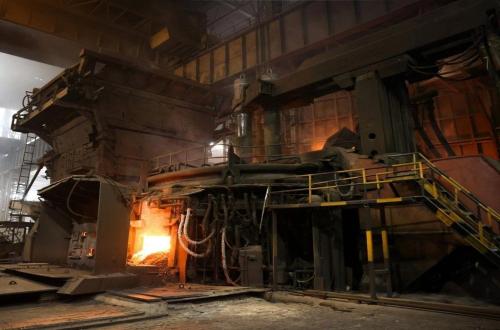
The steel industry faces growing demands to meet construction needs while simultaneously reducing energy consumption and the environmental impact of production processes. One technology being utilised to support steel production through the use of recycled materials is the Electric Arc Furnace (EAF).
EAF technology uses electrical energy to melt selected steel scrap. This material then undergoes a purification process before being shaped into steel products that meet established specifications and standards.
The use of scrap allows steel that has reached the end of its useful life to re-enter the production cycle. This cycle represents an application of the circular economy, as materials can be used, collected, recycled, and reprocessed into new products.
Utilising scrap can also reduce the need for primary raw materials and the amount of material that ends up as waste. However, steel production emission levels are determined not only by furnace technology but also by the source of electricity, process efficiency, raw material and waste management, and transportation.
In the EAF process, scrap is melted using electrical energy through electrodes at temperatures that can reach approximately 1,600 degrees Celsius. Because the material may contain various elements and impurities, the chemical composition of the steel is controlled through a refining process before being adjusted to product specifications.
One steel producer using EAF technology is PT Garuda Yamato Steel (GYS), which operates production facilities in Cikarang, Bekasi Regency, West Java. The company produces hot-rolled steel profiles for construction and infrastructure needs.
Products manufactured include H-Beams, IWF (Wide Flange), Channels (UNP), and Equal Angles. These steel profiles are used for various structural requirements, including buildings, warehouses, bridges, industrial facilities, and infrastructure.
Each type of profile serves a different function in construction. H-Beams and IWF can be used as beams or columns based on structural calculations, while Channels and Equal Angles can be used for secondary frames, stiffeners, supports, or connection parts.
Therefore, the selection of steel must consider dimensions, weight per metre, thickness, grade, mechanical characteristics, and product standards. This information serves as the basis for ensuring materials meet the technical requirements and specifications of a project.
According to company materials, several of GYS’s hot-rolled steel products have a Domestic Component Level (TKDN) of more than 90 per cent, including WF-Beams, H-Beams, U-Channels, and Angles.
The President Director of PT Garuda Yamato Steel, Tony Taniwan, stated that innovation and sustainability are key aspects considered by the company in its production activities.
“The company’s focus on innovation and sustainability ensures that GYS products meet applicable standards while contributing to national infrastructure projects,” said Tony.
The use of steel with recycled content can also be a consideration in projects implementing green building criteria, particularly regarding material use and carbon footprint. However, sustainability assessments must look at the entire material lifecycle, including energy sources, production processes, waste management, transportation, usage period, and the ability of the steel to be recycled again.
For projects requiring large quantities of material, production capacity, quality consistency, certification, product standards, and technical documentation are several factors that must be verified before procurement. Consequently, the choice of producer should not be based solely on claims regarding scale or company advantages, but must be aligned with the specific requirements and structural needs of the project.