
State-Owned Enterprises to Export: How Will It Affect Commodity Issuers?
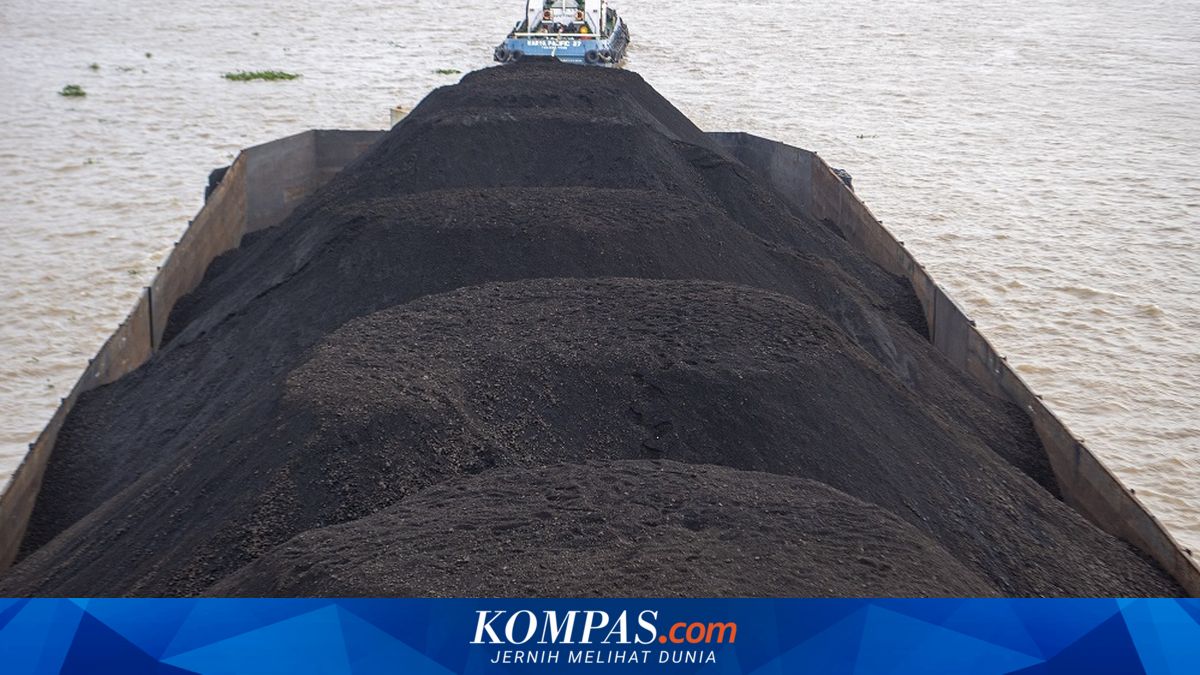
The government’s plan to require the export of strategic commodities through a state-owned enterprise (BUMN), PT Danantara Sumberdaya Indonesia (DSI), has sparked concern in the domestic capital market. Several parties highlight the potential impact on exporting issuers such as PT Alamtri Resources Indonesia Tbk (ADRO), PT Bumi Resources Tbk (BUMI), and PT Harum Energy Tbk (HRUM), which have long maintained networks of global buyers and their own international trading units. The government has previously announced a two-phase reform to export governance for strategic commodities, covering crude palm oil (CPO), coal, and ferro-alloys. The policy was announced directly by President Prabowo Subianto, after he issued Government Regulation (PP) on the Governance of Natural Resources Commodity Exports (SDA). Under this regulation, commodity export sales are required to go through PT DSI, designated as the sole exporter. Under the scheme, customs processes would be handled by the state-owned enterprise, while pre- and post-customs activities would largely remain with the companies. Furthermore, in the second phase beginning in September 2026, the BUMN will be the sole counterparty to all foreign buyers. Investment Specialist at PT Korea Investment and Sekuritas Indonesia (KISI), Ahmad Faris Mu’tashim, assessed that the policy does not strip private issuers of the right to sell directly to global buyers. “For issuers that have been compliant all along, it is essentially just an additional price-verification step; so the DSI acts as an intermediary between exporters and buyers,” Faris said when contacted by Kompas.com on Friday, 22 May 2026. Regarding the fate of long-term contracts held by private issuers with international buyers if all export transactions must go through a BUMN, Faris assessed that the scheme does not directly erase the business relationships that have been built with global buyers. According to him, many mining companies have subsidiaries operating as trading companies. As a result, export transactions are typically conducted through those subsidiary entities rather than by the parent company directly. Furthermore, revenue from trading activities is often parked in tax havens such as Singapore. “As has been observed, many mining companies have trading subsidiaries, so the transactions are carried out by the subsidiary rather than the parent company, whose revenue is parked in tax havens such as Singapore,” he said. That arrangement tends to reduce the earnings reported by the issuers. Therefore, under this new scheme, an issuer’s earnings per share (EPS) could become cleaner, potentially more attractive to investors.