
State-Owned Enterprise Opens Internship and Work-Placement Opportunities to Align University Theory with Industry Needs
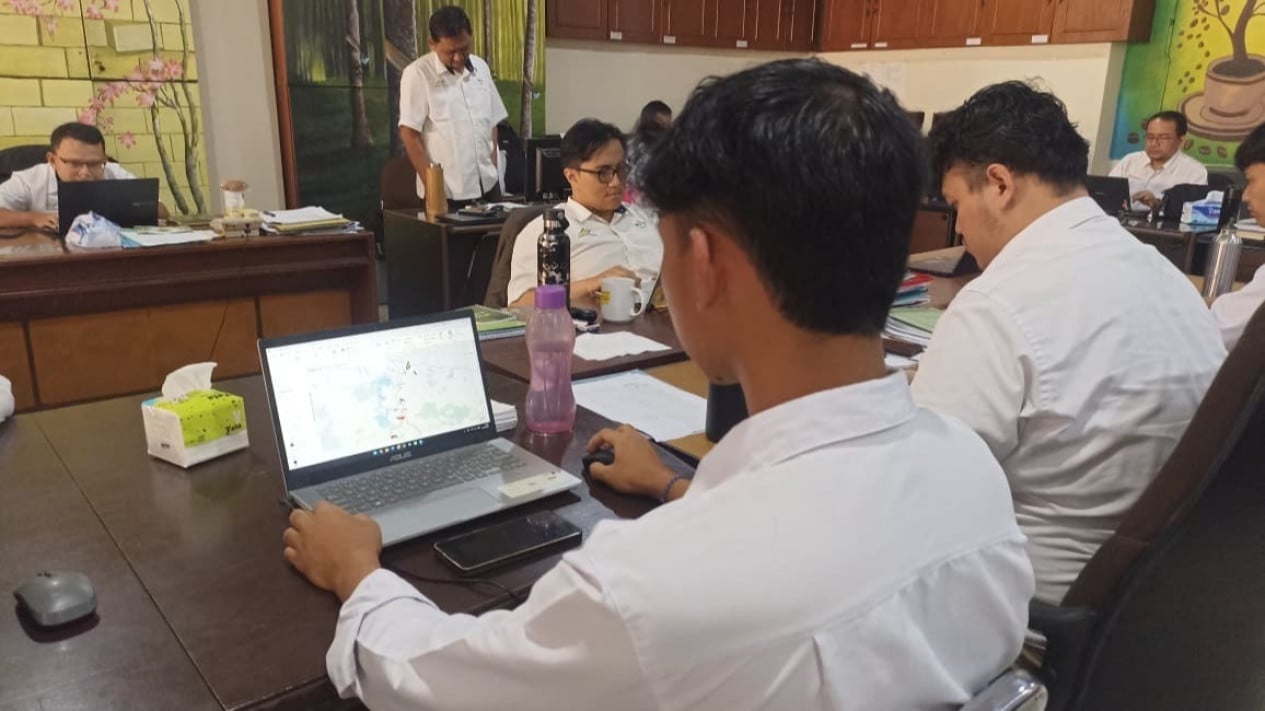
Jakarta – Bridging university theory with industry needs is a particular challenge for students before they enter the workforce. In the plantation sector, this cannot be learnt solely from books and classrooms; it also requires direct experience in the field.
PTPN I (Persero) is therefore opening up learning opportunities through work-placement and internship programmes across various areas of its business.
PTPN I President Director Abdul Rivai Ras said the company was very open to students seeking to develop their skills while gaining first-hand experience of the workplace.
As a state-owned enterprise, PTPN I also has a responsibility to support the development of young Indonesian talent and bring academic disciplines into line with the needs of the relevant industries, he said.
“Universities need a good, systematic bridge to the world of work. The gap between higher education and industry requirements needs to be addressed through relevant practical experience,” Abdul Rivai said in a statement on Friday (23 October 2026).
He said the large demand for workers needed to be matched by graduates’ readiness and capabilities. Collaboration between education and industry was therefore important to ensure students gain skills suited to workplace needs.
“The country needs a large number of jobs. However, the skills of new graduates are sometimes not fully aligned with industry requirements. We need a mechanism to bridge the two. That is why PTPN I is open to accepting students for work placements and internships across our various business areas,” he said.
PTPN I’s operations include crop management, plantation maintenance, processing plantation products, marketing and corporate management, providing learning opportunities across a range of disciplines.
Agronomy, soil science, chemistry, agricultural engineering, mechanical engineering, information technology, human resources management, accounting, finance and agrarian law are all relevant to the company’s operations.
“PTPN I’s business involves many disciplines. The challenges facing the plantation industry are also extensive, from accounting for weather conditions to understanding changes in market preferences. All of this requires knowledge, precision and the ability to apply them at work,” Abdul Rivai said.