
State-Owned Enterprise Berdikari Boosts Integrated Chicken Downstreaming Project to Supply Free Nutritious Meal Programme
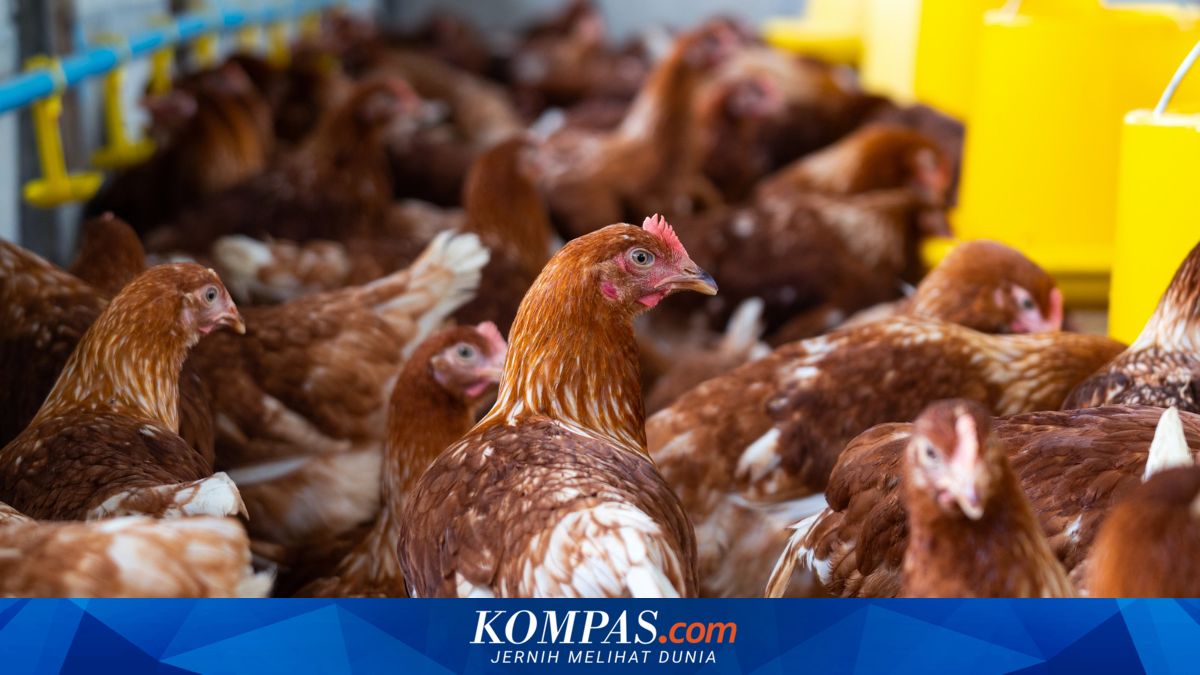
JAKARTA, KOMPAS.com - The state-owned poultry company, PT Berdikari, is pushing for the optimisation of the Integrated Chicken Downstreaming (HAT) project in order to support the protein needs within the Free Nutritious Meal (MBG) programme. The optimisation of HAT is also being carried out in response to current market dynamics.
Director of PT Berdikari, Maryadi, said that with a mutually connected ecosystem, farmers would no longer have to face market dynamics alone.
“In addition to strengthening national food self-sufficiency, the HAT project is also a strategic step in supporting the sustainability of the Free Nutritious Meal (MBG) programme,” said Maryadi in an official statement on Saturday (16/5/2026).
Meanwhile, one egg, weighing approximately 60 grams, will be provided and served three times a week.
In practice, one MBG kitchen serving up to 3,000 portions per day is estimated to require around 350 to 400 kilograms of chicken meat each day.
The number of eggs needed to support this capacity ranges from 3,000 to 4,000 per day.
In addition, HAT is expected to strengthen the independence of the national poultry industry while also increasing the productivity of local farmers.
“HAT is expected to strengthen the independence of the national poultry industry through a mutually connected ecosystem from upstream to downstream,” said Maryadi.
He affirmed that this step is in line with the government’s commitment to accelerating national food self-sufficiency through Presidential Instruction Number 2 of 2026.
The General Manager of Corporate Secretary & SR at PT Berdikari, AS. Hasbi Al-Islahi, is also overseeing the implementation of the Integrated Chicken Downstreaming (HAT) project, ensuring that each stage of development proceeds in a measured and targeted manner.
“Berdikari is increasingly committed to ensuring that every stage of the HAT project runs optimally, from planning and construction to implementation in the field, so that it can have a real impact on local farmers and national food self-sufficiency,” said Hasbi.