
State Asset Recovery Must Deliver Tangible Public Benefits, Says Lawmaker
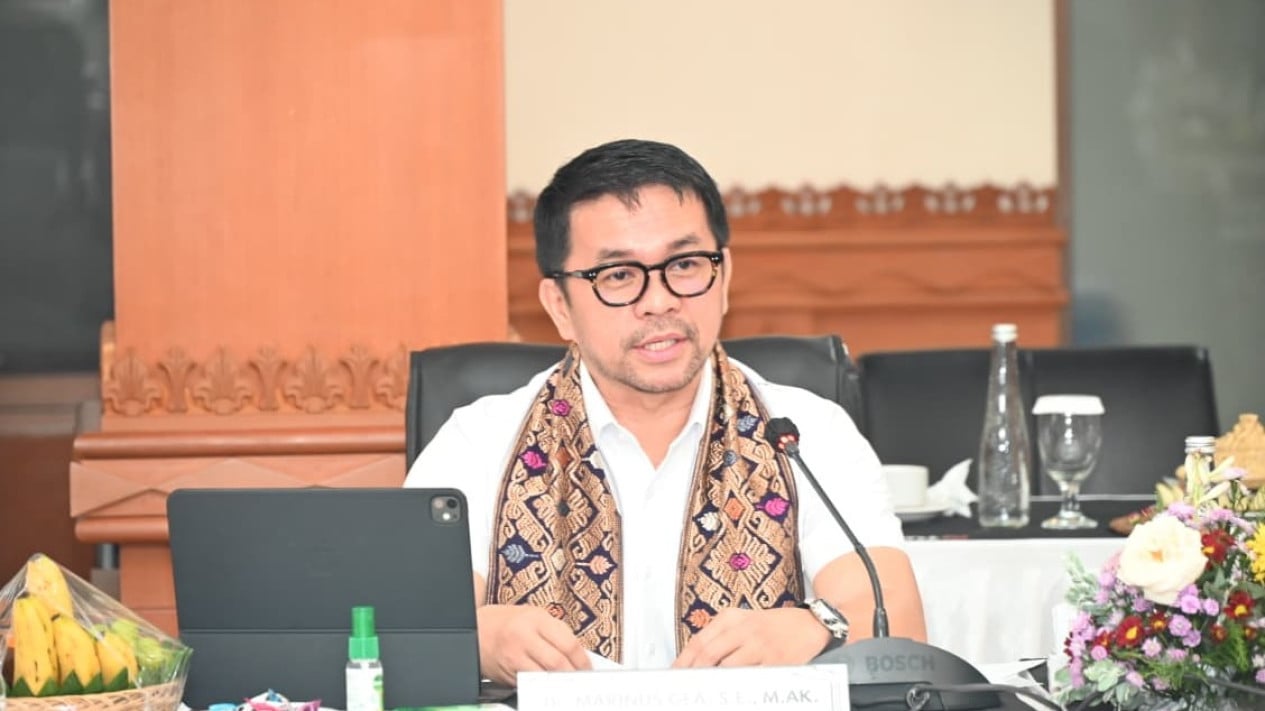
Member of the Indonesian House of Representatives Marinus Gea has stressed that the government’s success in reclaiming state assets in the Gelora Bung Karno (GBK) area, including the former Hotel Sultan complex, must not stop at the legal and takeover aspects alone. According to him, it is more important to ensure that the assets which have been returned to the state genuinely provide greater economic, social, and fiscal benefits for the public.
“We must not focus solely on the asset takeover process. The questions the government must answer are: what is the value of the assets that have been saved, what is the potential state revenue before and after the takeover, and what is the plan for utilising the area going forward,” Marinus said in a written statement on Wednesday, 24 June 2026.
He assessed that the public will view the asset recovery process merely as a transfer of control if the government fails to demonstrate tangible benefits post-takeover. Therefore, the public needs a comprehensive explanation regarding the master plan for managing the former Hotel Sultan area, revenue projections, the new management model, and the possibility of cooperation with the private sector.
“We must not let assets that have been successfully returned to the state become unproductive and turn into a new burden for the country. There must be a clear roadmap on how these assets can increase state revenue and provide public benefits,” he said.
Marinus also reminded the government of the importance of paying attention to the social impact of the asset recovery process. He stated that the government must consider the number of affected workers, the status of labour contracts, the protection of workers’ rights, and the business continuity of tenants and vendors who have depended on the area’s activities.
“The impact on workers and the economic ecosystem is a very sensitive aspect. The state must ensure that the asset recovery process does not neglect the protection of the affected communities,” he asserted.
Furthermore, Marinus believes that the case of the former Hotel Sultan should serve as a momentum to conduct a thorough evaluation of state asset governance nationwide. According to Marinus, this evaluation should cover other state assets whose cooperation periods have expired, assets that are underutilised, or assets that yield low rates of return. He added that the government must not fall into the trap of believing the state has won simply because it prevailed on the legal aspect.