
Starting the day without fried food: steamed and boiled dishes gain popularity
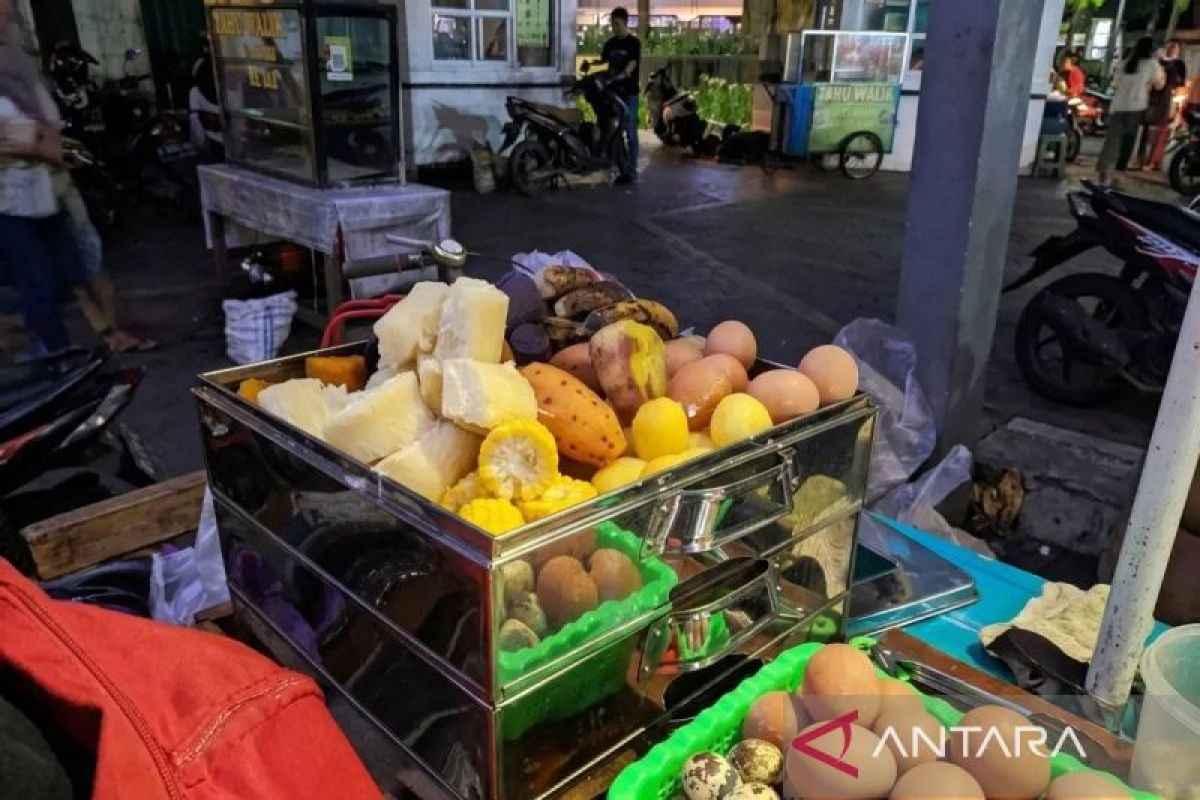
Jakarta - The sun had just risen over the eastern horizon of Jakarta, bringing a cool breeze that was slowly eroded by the hustle and bustle of commuters’ footsteps. At one of the capital’s busiest stations, 45-year-old Ella stepped out of a packed electric commuter train. As a private sector employee working in the Sudirman area, the fast-paced morning rhythm is part of her daily routine. However, lately, there is a new ritual she never misses before heading to the office. She veers towards a plume of warm steam rising from a food stall in a corner of the station area. There, neatly arranged, are sweet corn, sweet potatoes, potatoes, eggs, and peanuts, all visibly steaming hot. Ella takes out her wallet. For just over ten thousand rupiah, she gets a portion of sweet corn and warm steamed sweet potato for breakfast before starting her busy work routine. “The main reason is definitely health,” Ella said on Friday regarding her new habit. Asked about her choice, she admitted that her body’s metabolism at the age of 45 has changed significantly. “Honestly, at my age of over 40, the body’s metabolism is not like it used to be. You have to be smart about reducing fried foods and foods high in oil or sugar. Steamed and boiled foods like these are natural, minimally processed, so they feel safer for the body. Besides, sweet potatoes or corn are high in fibre, so they keep you full for a long time without making you feel bloated,” added the woman who works at an educational institution in Jakarta. For commuters like Ella, practicality is everything. Buying boiled snacks at the station does not take long because the vendors have them ready to pack, the food is clean, and it does not make your hands greasy. From an economic perspective, the price is also very wallet-friendly, ranging from IDR 10,000 to IDR 15,000 per portion. It is far more economical and healthier than buying trendy milk coffee or snacks at a mall café near her office. The market opportunity arising from the increased health awareness of urbanites is being cleverly seized by micro-entrepreneurs in public transport areas. One of them is Hartono (48), a stall owner at Manggarai Station in South Jakarta. Having started his business at the end of 2022, just as pandemic restrictions were being lifted, Hartono has witnessed first-hand how KRL stations have transformed into new epicentres of economic activity. “My reason for selling steamed and boiled foods was actually quite tactical,” Hartono said on Friday. He explained that the fluctuating price of cooking oil was the initial trigger. Moreover, fried foods tend to be less appealing once they cool down. This is different from the steamed or boiled system, where the food stays warm in the steamer, so its aroma continuously whets the appetite. Hartono offers a fairly complete variety of menus to keep customers from getting bored, including boiled sweet corn, boiled peanuts, steamed sweet potatoes, boiled eggs, boiled cassava, and boiled taro. With friendly prices ranging from IDR 5,000 to IDR 15,000, Hartono’s stall is often crowded with long queues, especially during the peak hours after work. His daily turnover is quite attractive. On working days, he can pocket between IDR 800,000 and IDR 1.2 million per day. “This healthy trend is not seasonal, I think; it has become a necessity for busy city people,” he said in an optimistic tone. Although boiled foods are often identified with traditional cuisine or the consumption of older generations, a recent survey by a national online media outlet shows a shift. According to the IDN Research Institute’s Indonesia Millennial and Gen Z Report (IMGR) 2027 published by IDN Times, boiled and steamed foods are increasingly popular among young Indonesians. As many as 85.2 per cent of 628 millennial and Gen Z respondents had purchased boiled or steamed foods as a snack alternative in the last six months. Meanwhile, 25 per cent consume them regularly and another 47 per cent consume boiled or steamed foods at least once a week. The survey also revealed that the main reason respondents choose boiled and steamed foods is for health. A total of 56.3 per cent of respondents chose boiled or steamed foods because they are healthier and help save money. This trend goes hand in hand with the rise of healthy lifestyle campaigns, the ‘grow your own food’ home gardening movement, and increasing environmental awareness among the young urban generation. For them, consuming minimally processed food is not just a dietary matter, but part of a modern and responsible lifestyle identity. Observing the increasingly popular phenomenon of reducing fried and oily food consumption in the morning, freelance nutritionist Milda Hasna, S.Gz. (25) provided an important note. She views this trend as a positive signal of growing public awareness of low-calorie and low-saturated-fat foods. However, she reminded the public not to fall into excessive guilt or avoid fat extremely. “From a nutritional science perspective, fat intake must still be met by every individual. Reducing fat intake excessively without calculation is actually detrimental to the body,” Milda explained in an interview on Sunday. The long-term impacts of total fat elimination include impaired absorption of fat-soluble vitamins (vitamins A, D, E, K), hormonal imbalances, and chronic energy deficiency that can disrupt the body’s metabolism. Milda provided four key guidelines for starting this steamed and boiled food trend. “First, pay attention to food variety. The majority of boiled food menus on the market are dominated by carbohydrates, such as sweet potatoes, cassava, corn, and potatoes. It is important to add protein sources like boiled eggs, tofu, tempeh, or boiled soybeans to achieve a balanced nutritional intake.”