
Starting from Campus, Startup Gipsy Research Develops AI-Based Research Services
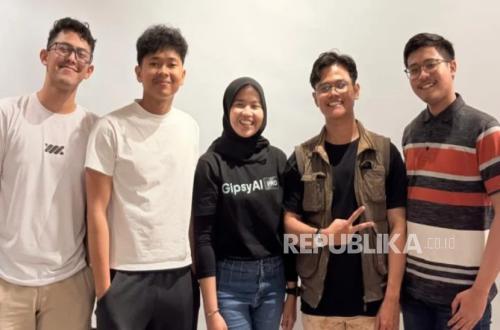
Founded by students and alumni of Cyber University (Universitas Siber Indonesia), startup PT Gipsy Research Nusantara has developed into a platform offering artificial intelligence (AI)-based research consultancy services. Launched in April 2024, the platform aims to provide affordable access to research services for students, researchers, and professionals. The initiative was spearheaded by CEO Gregorius Peitra alongside four colleagues: Carolus Agung, Bagas Indra Safrilla, Putriarrum Kusuma, and Dwi Praja Agustian, all alumni of Cyber University. The platform was born out of the founders’ frustration with the difficulty of accessing quality research mentoring at a student-friendly cost. Gipsy Research currently offers five main services: research consultancy, quantitative and qualitative data processing, scientific training, publication assistance, and the innovative Gipsy AI feature. The AI-based feature is equipped with more than 30 digital tools to facilitate proposal writing, data visualisation, scientific article searches, and plagiarism checks. Gregorius stated that integrating technology and academic competence is key to addressing research challenges in the digital era. He noted that the use of artificial intelligence is designed to make the research process more efficient. ‘We want to be a relevant research partner for students and academics. The use of Gipsy AI is our commitment to providing modern, efficient solutions without compromising scientific integrity,’ Gregorius said. The service has not only been utilised by domestic academics but has also reached users in Malaysia. This development signals a high demand for accessible research support infrastructure in the region. ‘Going forward, we are committed to expanding our service reach to more educational institutions and researchers at both national and international levels,’ he added. He hopes this step will foster a more inclusive, adaptive, and affordable research ecosystem for the entire academic community.