
Starting 2026, Underprivileged Kindergarten Pupils to Receive PIP Assistance
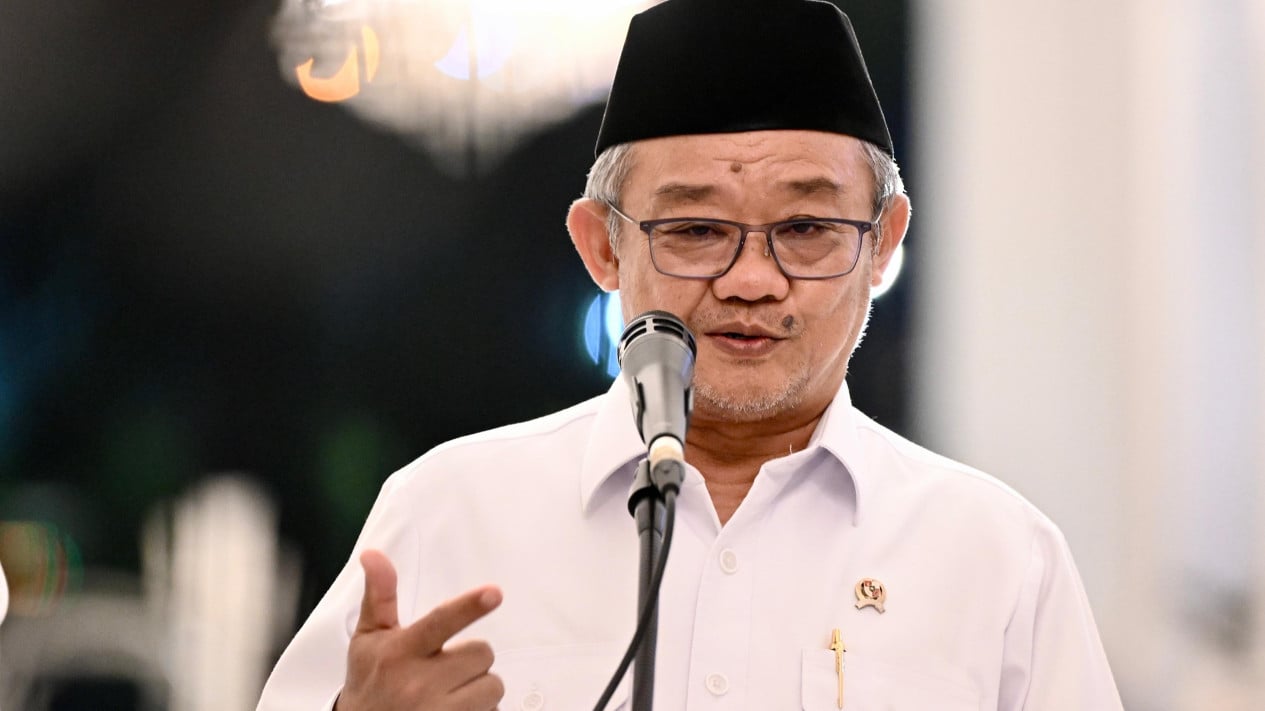
Starting in 2026, underprivileged kindergarten (TK) students will receive assistance through the Program Indonesia Pintar (PIP).
The Minister of Primary and Secondary Education, Abdul Mu’ti, confirmed that the PIP programme will be expanded to include kindergarten students from 2026 onwards. “This year, the government is expanding PIP to support the 13-year compulsory education programme,” said Abdul Mu’ti while attending the 17th Graduation of the Muhammadiyah University of Babel in Pangkalpinang on Thursday, 2 July 2026.
According to Abdul Mu’ti, PIP assistance will be provided to students from low-income families from the kindergarten level up to senior high school (SMA) as a form of the government’s commitment to expanding access to quality, equitable, and sustainable education.
He explained that the expansion of PIP recipients to the kindergarten level aims to ensure that the opportunity to obtain an education can be enjoyed by children from an early age in a more even and inclusive manner.
Abdul Mu’ti stated that this policy is a follow-up to the fourth ‘Asta Cita’ of President Prabowo Subianto, as well as the implementation of the constitutional mandate to improve the quality of education accessible to all members of society.
He revealed that in previous years, PIP was only provided to primary, junior high, and senior high school students, while university students received assistance through the Kartu Indonesia Pintar (KIP) Kuliah programme.
In addition to expanding PIP, the government is also enhancing Distance Learning (PJJ) services in remote areas through support for internet access, open schools, and Community Learning Centres (PKBM).
“The government also continues to provide flexible educational services through formal and non-formal education pathways, as well as equality programmes such as Paket A, Paket B, and Paket $ ext{C}$, so that every citizen has an equal opportunity to obtain an education,” he said.