
Start the Week with Greater Certainty: Basoetta Commuter Line Serves Over 1 Million Passengers up to May 2026
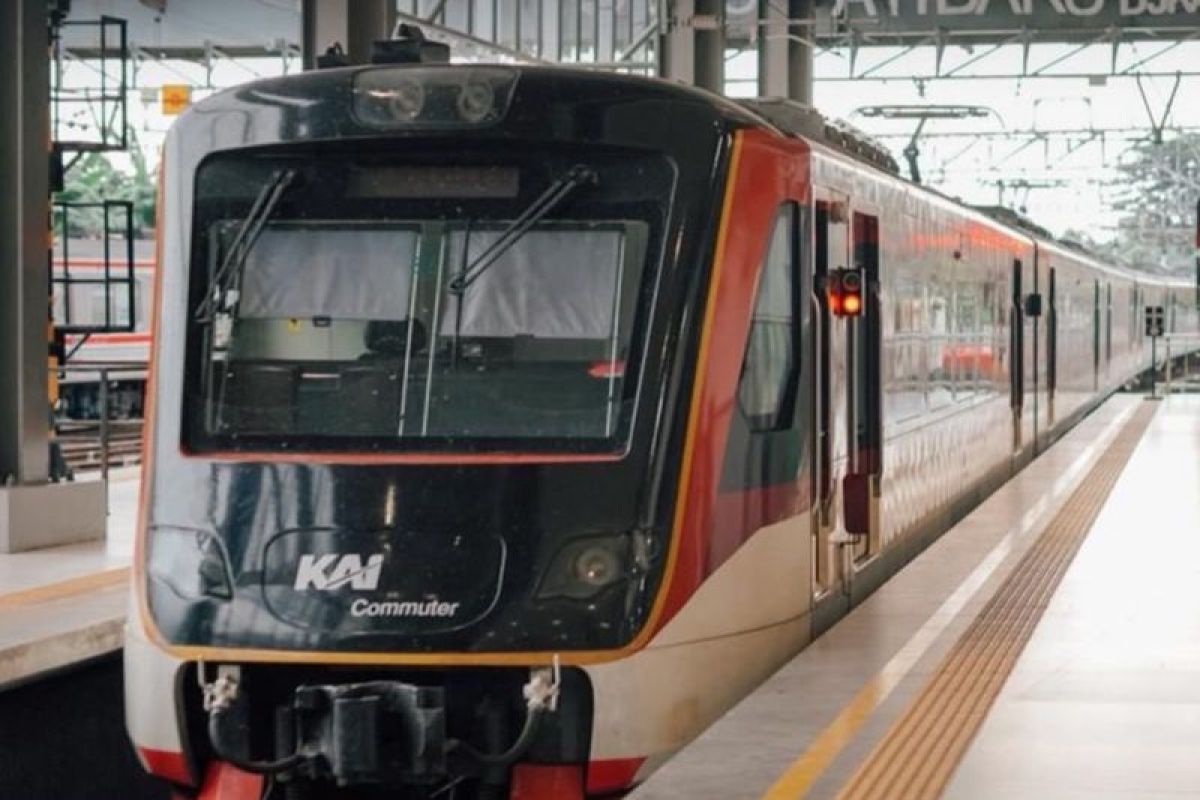
For many, Monday morning marks the start of various essential activities. Workers commute to offices, entrepreneurs conduct business, and tourists or air passengers continue their journeys to various destinations. In such situations, travel time certainty becomes an increasingly vital need, particularly for those travelling to and from Soekarno-Hatta International Airport.
PT Kereta Api Indonesia (Persero) recorded that the number of Basoetta Commuter Line passengers from January to May 2026 reached 1,013,574. This figure represents a 14.78 per cent increase compared to the same period in 2025, which saw 883,065 passengers.
KAI Vice President of Corporate Communication, Anne Purba, stated that this increase demonstrates growing public confidence in the Basoetta Commuter Line service as a transport choice capable of providing travel certainty amidst the heavy mobility of the Jakarta metropolitan area and its surroundings.
“Public mobility continues to rise, and the need for reliable transportation is growing. The Basoetta Commuter Line serves as a travel option that helps passengers manage their time more effectively, whether for work, business, or connecting with flights,” said Anne.
The Basoetta Commuter Line connects Soekarno-Hatta International Airport with Jakarta’s city centre through six stops: Soekarno-Hatta Airport, Batu Ceper, Rawa Buaya, Duri, BNI City, and Manggarai. This service facilitates passengers’ ability to continue journeys to various business districts, government centres, commercial areas, and other urban transport networks.
The role of this service is becoming increasingly significant given that Soekarno-Hatta International Airport is Indonesia’s primary air gateway. According to data from the Directorate General of Civil Aviation, the airport served 34.76 million passengers and 229,000 aircraft movements throughout 2025. Soekarno-Hatta Airport also serves as a domestic and international aviation hub connecting Indonesia with various cities both locally and abroad.
High levels of flight activity make the need for efficient onward transport increasingly relevant. With a rail route separated from road traffic congestion, the Basoetta Commuter Line provides a more predictable mobility alternative. Passengers can better estimate departure and arrival times, ensuring more comfortable travel to the city centre or the airport.
KAI continues to undertake various service improvement efforts to meet evolving public mobility needs. Strengthening service quality, enhancing comfort at stations and during journeys, developing intermodal integration, and utilising digital technology are part of the company’s ongoing initiatives.
Anne added that reliable public transport plays a crucial role in supporting public productivity and the smooth running of urban economic activities.
“Every minute holds value for people engaged in various activities. Therefore, KAI continues to strive to provide services that help passengers travel with greater certainty, comfort, and efficiency. We hope the Basoetta Commuter Line can continue to be the public’s choice for connecting the airport with Jakarta’s city centre,” Anne concluded.