
Standardised Cigarette Packaging Sparks Fears of Mass Layoffs
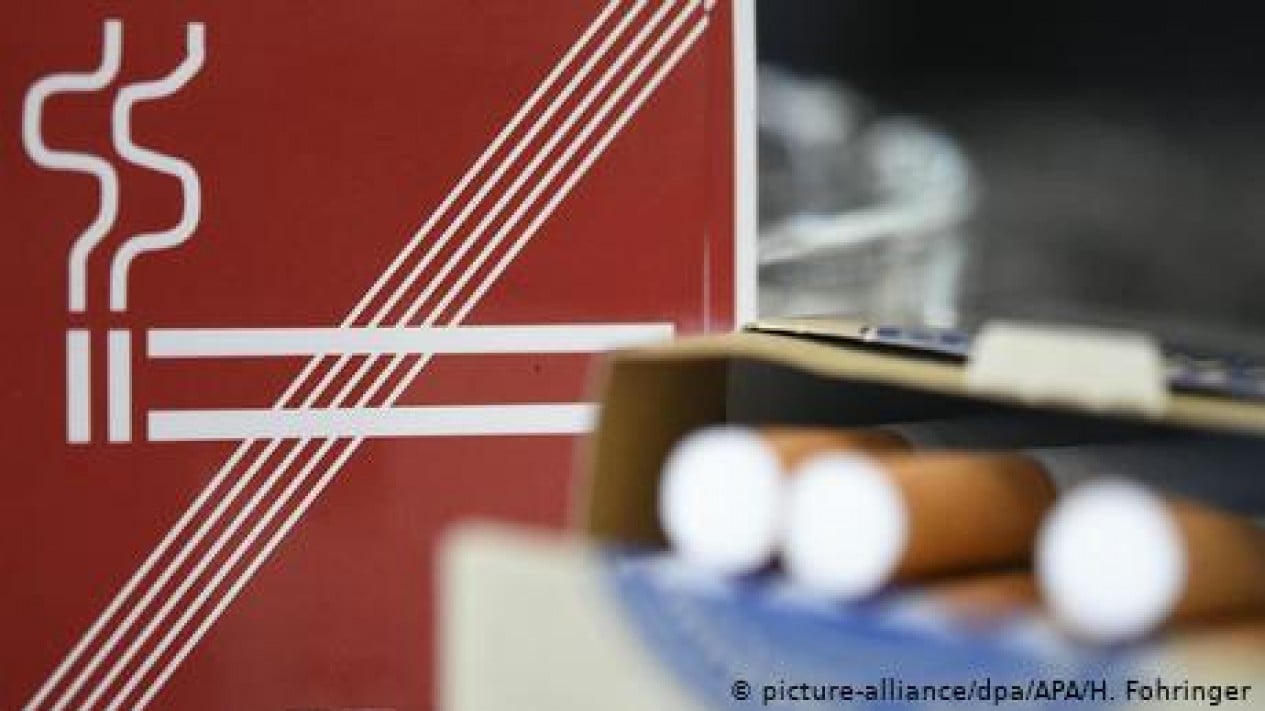
The government’s plan to standardise the colour of tobacco product and electronic cigarette packaging through a draft Minister of Health Regulation (RPMK) continues to draw both support and criticism. Besides being considered potentially capable of triggering the circulation of illegal cigarettes, the policy is also feared to increase the risk of layoffs in the tobacco products industry.
This concern was conveyed by Permata Bank Chief Economist Josua Pardede. According to him, the implementation of packaging colour standardisation needs to be thoroughly assessed because it could put pressure on an industry that has been supporting a fairly long supply chain.
He assessed that regulatory uncertainty amidst challenging economic conditions could force business actors to take efficiency measures, ranging from withholding investment to reducing production capacity.
"Amidst a challenging national economic condition, this regulatory uncertainty forces business actors to make efficiencies by withholding investment and reducing production. As a result, the risk of mass layoffs among the productive age group increases sharply," Josua said in a statement on Thursday, 2 July 2026.
According to Josua, the impact of the policy is not only felt by cigarette producers but also has the potential to affect the entire supply chain of the tobacco products industry. This chain involves various business sectors, from manufacturing, packaging printing, distributors, and retailers, to tobacco and clove farmers.
Therefore, if production activity declines due to regulatory changes, the effect is expected to spread to various sectors that have been dependent on the tobacco products industry. He assessed that the policy needs to consider the national economic condition so as not to cause further impacts on the business world and the workforce.
In addition to the threat to employment, Josua also warned of the potential for increased consumption of illegal cigarettes if the visual appeal of legal products diminishes. According to him, the character of Indonesian consumers is still very price-sensitive. When the price of legal cigarettes remains high due to excise duties, while the packaging appearance is made uniform, consumers are considered more likely to switch to cheaper products rather than quit smoking.