
Standardised Cigarette Packaging Regulations in Indonesia Deemed Stagnant
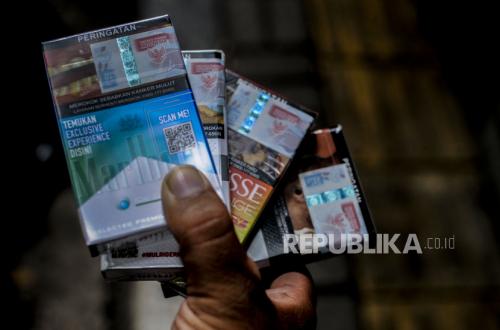
The Indonesian Health Policy Space (RUKKI) believes that Indonesia is still lagging behind in protecting the public from the dangers of cigarettes and nicotine products. This is primarily due to the implementation of standardised cigarette packaging policies and the strengthening of Pictorial Health Warnings (PHW).
This assessment was made during the 2026 World No Tobacco Day (WNTD) commemorations. According to RUKKI, the situation is under intense scrutiny because, nearly two years after the issuance of Government Regulation (PP) Number 28 of 2024 concerning Health, the derivative regulations related to tobacco control have yet to be ratified. The draft regulations include several crucial steps aimed at reducing smoking rates, such as expanding PHW from 40 per cent to 50 per cent of the packaging, banning the sale of single cigarettes, and implementing a total ban on tobacco advertising on social media.
However, reality on the ground shows that the ratification process for these vital regulations has stalled. This obstacle is said to arise from strong opposition from the tobacco industry and conflicting interests between ministries within the government. RUKKI considers the stagnation of these regulations to be clear evidence of how industry interests still exert significant influence and intervention in Indonesia’s public health policymaking process.
The Chairman of RUKKI, Mouhamad Bigwanto, stated that tobacco control policies frequently face intervention from the industry, either directly or through various third parties. These interventions take various forms, ranging from the utilisation of labour associations to support from ministries that often advocate for industry interests.
“In the context of implementing Pictorial Health Warnings (PHW), I suspect there is a role played by the Ministry of Industry and the Ministry of Finance, which contributes to efforts to slow down or hinder the strengthening of these policies,” he said in a written statement received by Republika on Wednesday (3/6/2026).
As a result of this regulatory delay, Indonesia currently only applies a PHW covering 40 per cent of the total cigarette packaging area. This figure is considered far behind neighbouring ASEAN countries, such as Thailand, which has implemented health warnings covering up to 85 per cent, and Timor-Leste, which has reached 92.5 per cent.