
Standard Electric Cars Cannot Directly Swap Batteries
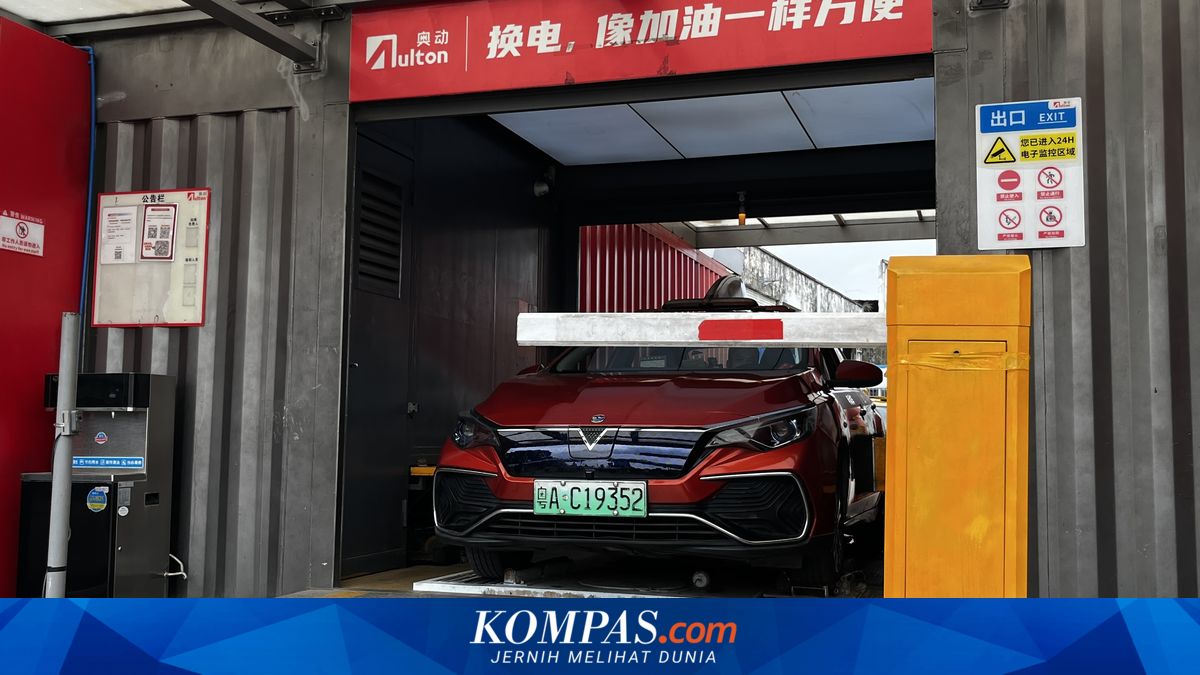
GUANGZHOU, KOMPAS.com – Electric vehicle charging technology in Indonesia is poised to enter a new phase. Following the widespread construction of public electric vehicle charging stations (SPKLU), battery swapping systems are now targeting the Indonesian market through expansion plans by Chinese company Aulton New Energy Co Ltd. The entry of this battery swap service provider has naturally drawn attention from existing electric car manufacturers in Indonesia, including GAC Indonesia through its Aion lineup. GAC Indonesia’s Product Planning and Strategy head, Iqbal Taufiqurrahman, explained that in China, the Aion Y Plus and UT models are already compatible with battery swapping. However, for Indonesia, these two GAC Aion models currently still use conventional charging systems. Iqbal elaborated that ordinary electric cars and those designed for swapping cannot simply interchange technologies. There are differences in how the batteries are attached to the vehicle’s chassis. “The difference lies in the construction under the body. For normal ones, the battery is embedded type with fixed bolts and additional protective covers,” said Iqbal. “For battery swap, it is designed to be removable and installable, so the bolt structure is different. The protector or cover only shields the battery to allow direct removal and replacement,” he continued. So, will GAC Indonesia introduce or at least modify models for battery swapping if Aulton’s infrastructure officially operates in Indonesia? “For example, (Aion) Y Plus could have two versions: Y Plus for swap and the regular one. So the current ones cannot; they are specifically for regular battery charging,” he said. For information, battery swap technology is indeed an effective solution to eliminate range anxiety and the long waiting time for charging. If this infrastructure is truly realised, Indonesia will follow China in terms of a more efficient and diverse electric vehicle ecosystem.