
Standard Chartered Forecasts Gold Price for 2026, US-Iran Ceasefire as Key Determinant
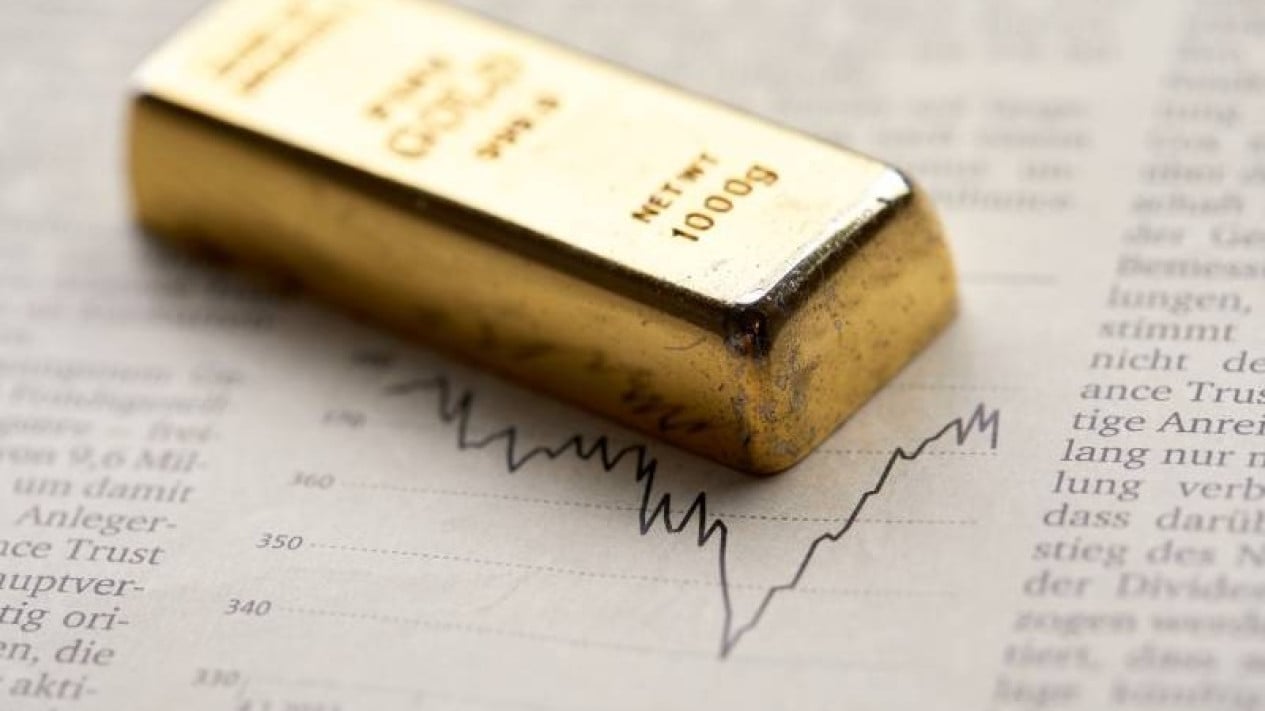
The movement of global gold prices remains in a phase of high uncertainty. Amid geopolitical turmoil and inflationary pressures, the direction of the precious metal’s price is largely determined by developments in the ceasefire between the United States (US) and Iran.
Based on VIVA’s monitoring of Gold Price on Tuesday, 21 April 2026 at 14:22, the global gold price fell 0.53 percent, trading at US$4,784.06 or approximately Rp81.98 million (estimated exchange rate of Rp17,174 per US dollar) per ounce. From the chart, the metal, coloured yellow, briefly touched the US$4,820 level on 14 April 2026.
This aligns with the latest report from Standard Chartered, which indicates that the current gold price is forming a support level around US$4,800 per ounce. Nevertheless, in the short term, gold still faces potential pressure due to uncertainties in the Middle East conflict and global inflation dynamics.
Head of Commodities Research at Standard Chartered, Suki Cooper, assesses that the future trend of gold prices will heavily depend on geopolitical stability. The US-Iran ceasefire is the primary factor driving the precious metal’s price.
“With the ceasefire still fragile and a shift in focus to real yields, gold has not fully escaped pressure. Liquidity needs could also weigh on prices,” Cooper stated, quoted from Kitco News on Tuesday, 21 April 2026.
Cooper added that structural factors supporting gold price increases remain strong. She forecasts that gold prices could return to test highs in the coming months.
“However, the structural drivers remain intact, and we expect gold to resume its upward trend to test highs in the coming months,” she continued.
In addition to geopolitical factors, inflation sentiment is also a key variable. Cooper explained that gold now shows a negative correlation of 24 percent with five-year real yields, differing from the pre-conflict neutral condition.
“The market is currently divided between inflation risks and potential economic growth slowdown. Gold typically performs well during sharp inflation spikes or when the US economy enters a recession phase,” Cooper clarified.
Furthermore, she believes the gold market has not yet fully responded to these risks. Thus, according to Cooper, there is still potential for price increases in the coming months.