
Stalled Wind Power Investment: METI Outlines Strategies to Boost Wind Energy
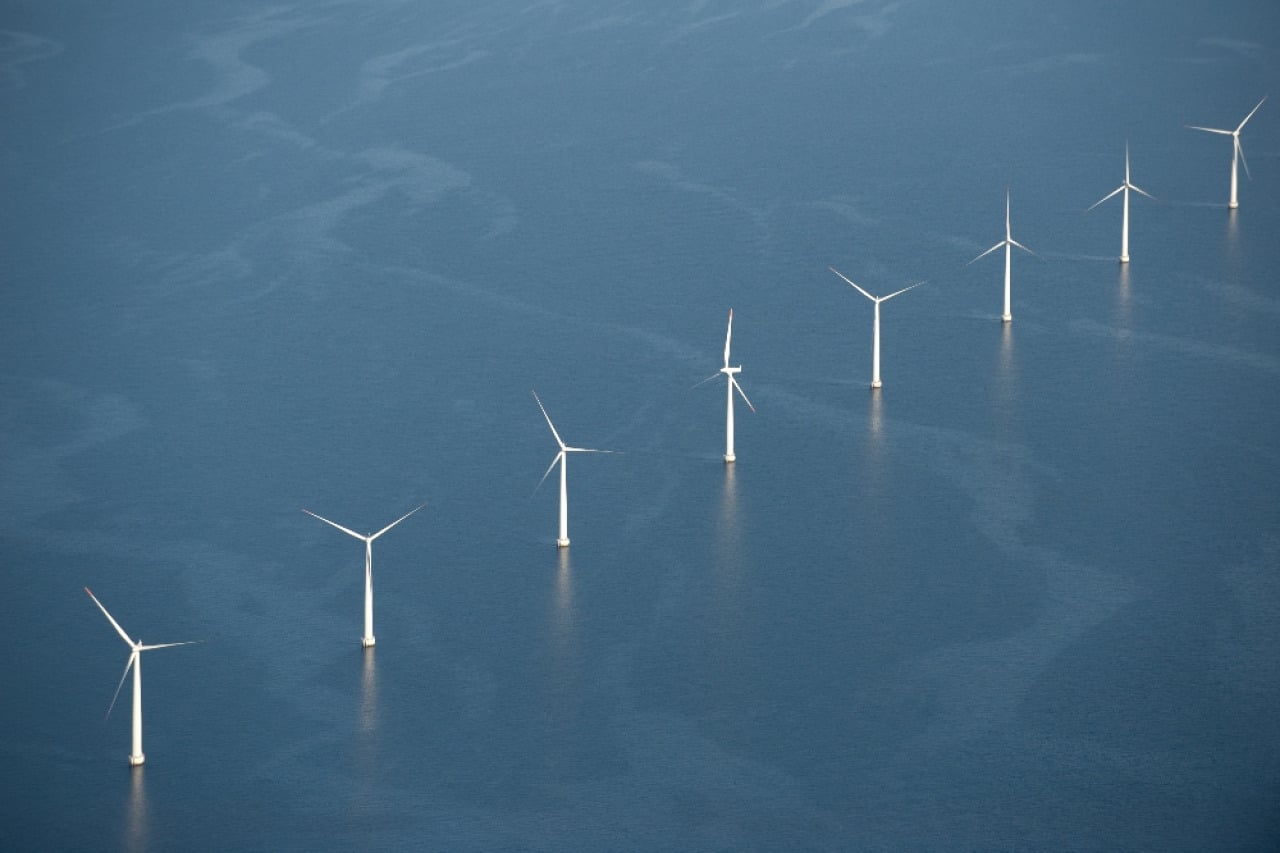
Several policies must be implemented by the government to ensure the optimal development of wind power plants (PLTB) in Indonesia.
Chairman of the Expert Board of the Indonesian Renewable Economic Society (METI), Herman Darnel Ibrahim, stated that one necessary effort is the design of a wind power project pipeline. He explained that the government, alongside PT PLN (Persero), needs to establish a procurement pipeline for wind power for the next 5 to 10 years. This pipeline should encompass capacity, location, grid readiness, tender schedules, and estimated commercial operation dates (COD).
According to Ibrahim, a clear pipeline is essential so that wind power targets within the Electricity Supply Business Plan (RUPTL) can be translated into concrete projects. “This certainty also provides space for developers to prepare investments from the outset,” Herman told Bisnis on Friday.
Secondly, the procurement process must be conducted transparently and competitively with a clear timeline. Once a project enters the pipeline, there must be time targets ranging from the qualification stage, tendering, and winner determination to the signing of the Power Purchase Agreement (PPA) and financial close. Such temporal certainty is vital to reduce development expenditure (DEVEX) and increase the bankability of wind power projects.
Thirdly, the government must ensure that PPAs and tariff structures are bankable, with a clear allocation of risks. Risks beyond the developer’s control, such as grid delays and curtailment due to system conditions, need to be regulated proportionally. At the same time, tariffs must continue to reflect the project’s economics and the specific characteristics of the wind farm’s location.
Fourthly, the government needs to simplify licensing processes and wind measurement requirements without compromising technical standards. The use of met masts, LiDAR, and credible long-term wind data can be combined according to project characteristics and financing needs.
Fifthly, the implementation of Local Content Requirements (TKDN) should be carried out gradually, following the development of national industrial capabilities. This step is aimed at building the domestic industry while ensuring that wind power projects remain competitive and financeable.
Sixthly, wind power development must be planned in an integrated manner with transmission, Battery Energy Storage Systems (BESS), and system flexibility. This is because the best wind resources are often located far from load centres. Therefore, wind power development needs to be part of the grid planning and the Green Super Grid.
Seventhly, the government needs to provide a more integrated development framework. This framework should include the availability of credible wind resource data, certainty regarding spatial planning and land, logistics infrastructure, and specific guidelines for wind power. “These guidelines need to cover all development stages, from resource measurement, feasibility studies, and licensing to procurement and financial close,” he concluded.
Previously, the Director General of New, Renewable Energy, and Energy Conservation (EBTKE) at the Ministry of Energy and Mineral Resources, Eniya Listiani Dewi, stated that investment remains one of the primary challenges for wind power development in Indonesia. Eniya noted that there has been no wind power investment entering Indonesia for approximately the last four years, despite the government including wind power development in the 2025–2034 Electricity Supply Business Plan (RUPTL). “In the past four years, there has been no wind power investment,” Eniya said when met at the Parliament Complex, Jakarta.
Source: jawawa.id (https://jawawa.id/newsitem/stalled-wind-power-investment-meti-outlines-strategies-to-boost-wind-energy-1789746667)
Originally published by ekonomi.bisnis.com (https://ekonomi.bisnis.com/read/20260918/44/2005420/investasi-pltb-mandek-meti-sebut-strategi-genjot-listrik-tenaga-angin), translated from Indonesian