
Srikandi Jaga Desa Becomes Pillar for Strengthening Grassroots Economy
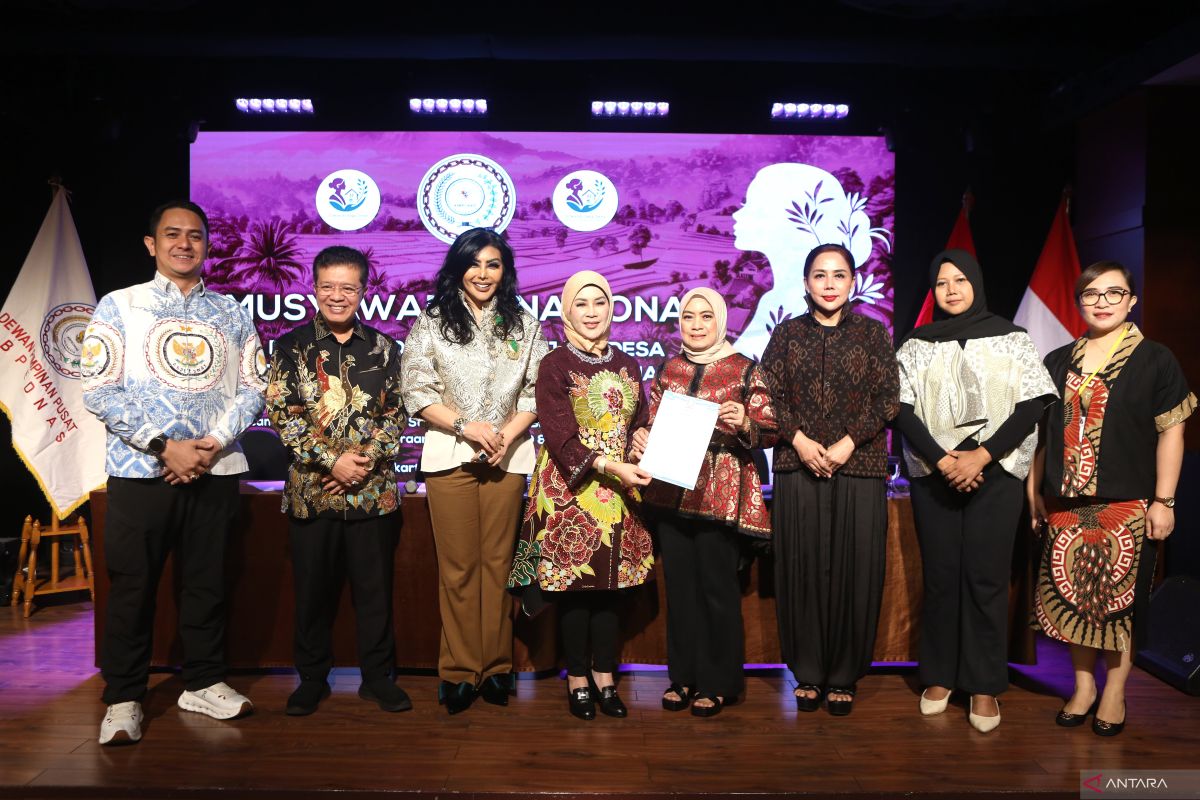
The official organisation of the National Village Consultative Body Association (ABPEDNAS), Srikandi Jaga Desa, is considered a pillar that strengthens women’s participation in overseeing transparent development and encouraging economic empowerment at the grassroots level.
DPP Srikandi Jaga Desa Chairwoman Ella Nurlaela Toebagus stated that increasing economic independence and women’s involvement in public leadership directly contributes to strengthening village resilience against various social frictions.
“The formation of this organisation strengthens the role of women as partners to the village government, the Village Consultative Body (BPD), and the community in overseeing transparent development, encouraging MSME empowerment, food security, improving human resource quality, protecting women and children, and strengthening the family economy,” Ella said.
Through the Srikandi Jaga Desa movement, this natural role is reinforced into a solid national initiative. Women are now encouraged to take direct action to ensure the younger generation grows up in a healthy environment, safe from various destructive influences that threaten the future.
Moreover, women also play an important part in maintaining the integrity of living spaces and communal heritage so that village sustainability is preserved from various external conflicts of interest.
“The presence of Srikandi Jaga Desa is not merely an organisational complement, but a rational and humanist oversight pillar at the grassroots level. When women are actively involved in overseeing the direction of village policy, the potential for irregularities can be suppressed and the protection of the community’s living space becomes far more measurable,” said Chairman of the ABPEDNAS Supervisory Board, Prof Dr Reda Manthovani.
In line with this, DPP ABPEDNAS Chairman Indra Utama highlighted the importance of integrating the women’s movement within the organisation. The presence of Srikandi Jaga Desa is seen as a strategic wing of the organisation to touch the most vital social foundation.
The synergy between the BPD and women’s initiatives, according to him, will create a highly resilient village ecosystem capable of facing the challenges of the times.
Based on 2024 data from Statistics Indonesia (BPS), 64.5 per cent of MSME players in Indonesia are women, equivalent to around 37 million people, and women’s contribution to the MSME sector accounts for up to 61 per cent of the national Gross Domestic Product (GDP).
The economic independence of the community is the main key that continues to be built by facilitating rural women to drive the wheels of MSMEs and optimise local potential, he said.